

High-Yield Savings Accounts in 2026: Safe Places to Grow Your Savings
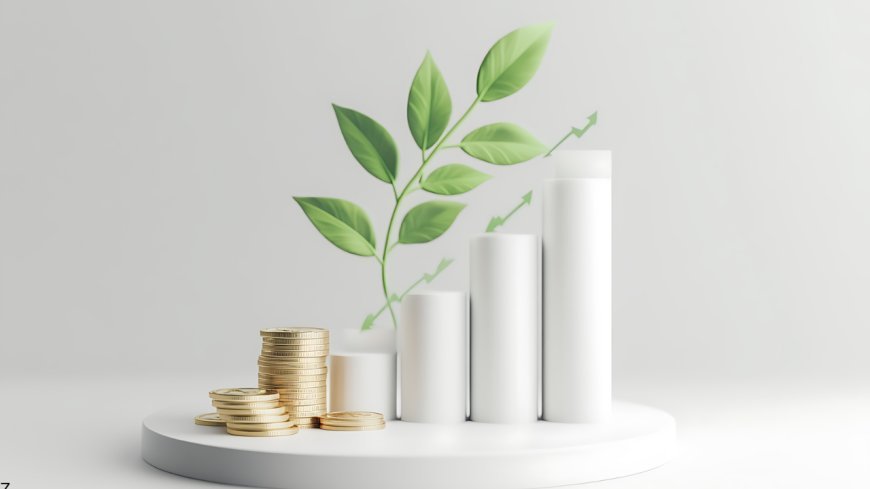
For many savers, 2026 is shaping up to be another year where holding cash feels smarter than chasing unpredictable investments. High-yield savings accounts, often referred to as HYSAs, have become one of the most reliable places to keep money safe while still earning meaningful returns. With interest rates remaining competitive and online banking continuing to grow, knowing where to place your savings could make a noticeable difference in your financial progress this year.
Why High-Yield Savings Accounts Matter in 2026
Unlike traditional savings accounts offered at major banks, which may still pay close to 0.01% APY, a high-yield savings account offers a significantly higher return on the money you deposit. This difference matters more than people often realize. For someone holding $10,000 in savings, the gap between 0.01% and even 4.50% APY is hundreds of dollars a year, simply for choosing a better account. As inflation continues to influence the cost of living, keeping savings in an account that grows faster is no longer just a smart move; it has become essential to avoid losing purchasing power over time.
The appeal of HYSAs is also tied to their flexibility. Unlike certificates of deposit (CDs), which lock your money for months or years, a HYSA allows you to withdraw funds whenever you need them. This makes it especially useful for emergency funds, short-term savings goals, and holding cash while deciding your next investment move. In a financial landscape where uncertainty still shapes many decisions, having immediate access to your money without sacrificing growth is a valuable advantage.
What to Expect from HYSA Rates This Year
High-yield savings account rates in 2026 are still benefiting from an environment where competition among online banks and fintech platforms remains strong. Many digital-only banks do not carry the same operating expenses as traditional institutions, allowing them to offer higher interest rates in order to attract deposits. As more consumers shift to online banking, providers are motivated to keep APYs attractive and user experience seamless.
However, HYSA rates can change throughout the year, especially if the Federal Reserve adjusts interest rate policies. Savers should understand that while these accounts are safe, the yield is not guaranteed to stay at the same level forever. The positive news is that switching HYSAs has become easier than ever. If rates fall significantly, customers can move to a more competitive bank in just a few minutes, often without any fees or complex paperwork.
Safety and Insurance Protection
Another major reason people continue to choose high-yield savings accounts is the protection they offer. Most HYSAs are covered by FDIC insurance (or NCUA insurance for credit unions), up to $250,000 per depositor, per institution. This means that even in the rare case of a bank failure, your money is protected by the U.S. government. For anyone saving toward a home purchase, building an emergency fund, or preparing for unexpected medical or job-related challenges, that reassurance plays a huge role in financial peace of mind.
This level of protection stands in contrast to market-based investments, where returns are never guaranteed. While stocks, ETFs, and real estate can produce higher long-term profits, they also come with short-term volatility and risk. A HYSA provides a stable place to keep money that must remain safe, even if it is not the highest-earning financial product in your portfolio.
How to Choose the Right High-Yield Savings Account
When comparing accounts, APY is a key factor, but it should not be the only one. Some banks advertise high rates but require large minimum balances to access them. Others may offer a competitive APY but have slower transfer times, outdated mobile apps, or customer service that makes simple banking inconvenient. The best savings account for most people is one with a strong combination of rate, reliability, and ease of use.
Another element to consider is withdrawal flexibility. While federal regulations limiting monthly transfers have relaxed in recent years, some banks still enforce their own limits. If you intend to move money frequently, choosing an account with generous transfer policies will make a noticeable difference in your experience. Since a HYSA often holds emergency funds, the ability to access cash quickly and without penalty is crucial.
How Much Should You Keep in a HYSA?
For many households, a HYSA is the ideal home for an emergency fund, typically covering three to six months of essential living expenses. That amount can be higher for self-employed workers or anyone whose income fluctuates during the year. HYSAs are also excellent for storing money earmarked for near-term expenses such as moving costs, insurance premiums, tax payments, or a future vehicle purchase.
While it may be tempting to keep all of your savings in a HYSA, it is still important to think about overall financial strategy. Money intended for long-term growth might generate better returns elsewhere, such as in retirement accounts or diversified investments. For short-term goals, however, a HYSA strikes the right balance between safety and return.
Final Thoughts
High-yield savings accounts continue to stand out in 2026 as one of the smartest places to keep cash that needs to remain secure while still earning meaningful interest. They offer a rare combination of liquidity, protection, and growth, making them a core tool for anyone hoping to strengthen their financial foundation. Whether you are building an emergency fund, saving for a major purchase, or simply looking to stop losing value to inflation, a well-chosen HYSA can make a powerful difference in how far your money goes this year.
What's Your Reaction?
 Like
0
Like
0
 Dislike
0
Dislike
0
 Love
0
Love
0
 Funny
0
Funny
0
 Wow
0
Wow
0
 Sad
0
Sad
0
 Angry
0
Angry
0

Finance Mastering delivers practical insights on personal finance, budgeting, investing, and money management. Whether you're just starting out or looking to grow your wealth, we make financial freedom achievable.















Comments (0)