

First-Time Homebuyer Guide for 2026: Steps to Get Ready

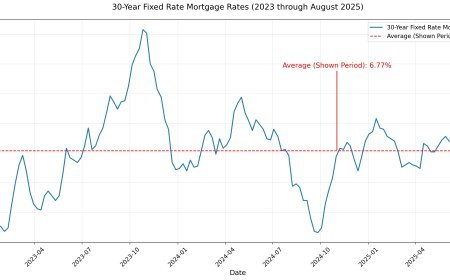
Buying your first home in 2026 is more achievable than it has been in recent years, with mortgage rates easing into the low-to-mid 6% range, gradually increasing inventory, and a variety of programs designed to help first-time buyers. As of January 20, 2026, the average 30-year fixed-rate mortgage sits around 6.06%–6.19% (per Freddie Mac and Bankrate data), down from higher levels in 2025 and offering better affordability for many.
The key to success is preparation: building strong credit, saving for upfront costs, getting pre-approved early, and exploring loan options and assistance programs. Starting now gives you time to strengthen your application before spring buying season ramps up. This guide walks you through practical steps to position yourself for a smooth, confident homebuying journey in 2026.
Step 1: Check and Strengthen Your Credit
Your credit score plays a major role in qualifying for the best mortgage rates and terms. Lenders typically want a score of 620+ for conventional loans, but first-time buyer programs like FHA allow scores as low as 580 with a higher down payment. Pull your free credit reports from AnnualCreditReport.com and review them for errors—dispute inaccuracies promptly, as even small fixes can boost your score.
Focus on improving your score in the coming months: pay down credit card balances to keep utilization under 30%, make all payments on time, avoid new credit applications, and keep old accounts open. A higher score not only unlocks lower rates but also reduces private mortgage insurance (PMI) costs if your down payment is under 20%. Consistent on-time payments and lower balances can add 20–100+ points in just a few months, significantly improving your options.
Step 2: Set a Realistic Budget and Save for Upfront Costs
Determine how much home you can afford by calculating your debt-to-income (DTI) ratio—most lenders prefer front-end DTI (housing costs) under 28% and back-end (all debts) under 36%–43%. Use online affordability calculators to factor in current rates, property taxes, homeowners insurance, and HOA fees if applicable. Aim to keep total housing costs at or below 28%–30% of gross monthly income for comfort and long-term financial health.
Save aggressively for a down payment (3.5% minimum for FHA, 0% for VA/USDA if eligible), closing costs (typically 2%–5% of purchase price), and an emergency fund. Explore down payment assistance programs through state housing agencies, local nonprofits, or federal-backed initiatives that provide grants, forgivable loans, or matched savings for first-time buyers. These programs can reduce out-of-pocket needs by thousands—start researching eligibility now through HUD-approved counselors or your lender to see what fits your situation.
Step 3: Explore Loan Options and Get Pre-Approved
First-time buyers have access to flexible programs tailored to lower down payments and credit flexibility. FHA loans require just 3.5% down (with mortgage insurance), VA loans offer 0% down for eligible veterans and military members, and USDA loans provide 0% down in qualifying rural and suburban areas. Conventional loans often need only 3%–5% down and can pair well with assistance programs for even greater affordability.
Shop multiple lenders for the best rates and terms—pre-approval strengthens your offers and shows sellers you're serious. Provide documents like pay stubs, tax returns, bank statements, and ID early. In 2026, with rates projected to hover in the 5.9%–6.4% range (per Fannie Mae and MBA forecasts), locking in a rate early can protect against potential upticks while you house-hunt. Compare at least three quotes to ensure you're getting competitive terms.
Step 4: Define Your Needs and Start House Hunting
Make a realistic wish list: preferred location, home size, condition, and must-haves vs. nice-to-haves. Work with a buyer's agent experienced in first-time purchases—they can guide you on market trends, negotiate on your behalf, and help navigate inspections and contingencies.
Attend open houses, use online tools like Zillow or Realtor.com, and visit properties in person to get a true feel for neighborhoods and homes. Inventory is gradually increasing in many markets, giving buyers more options and some negotiating power. Factor in ongoing costs like utilities, maintenance, property taxes, and potential HOA fees to avoid surprises after closing.
Step 5: Make an Offer, Close, and Prepare for Homeownership
Once you find the right home, submit a strong offer backed by your pre-approval letter. Include contingencies for inspection and appraisal to protect yourself. Get a professional home inspection to uncover any hidden issues, and review the appraisal and title report carefully before proceeding.
At closing, bring certified funds for your down payment and closing costs, and review every document thoroughly. After closing, set up utilities, change locks, and build an emergency fund specifically for home maintenance. Homeownership builds equity over time, offers potential tax benefits (like mortgage interest deduction if itemizing), and provides long-term stability. Celebrate the milestone while staying proactive about budgeting and upkeep.
This is educational information only—not personalized financial or real estate advice. Mortgage rates, programs, and eligibility change; consult a licensed lender, HUD-approved housing counselor, or real estate professional for your specific situation.
What's Your Reaction?
 Like
0
Like
0
 Dislike
0
Dislike
0
 Love
0
Love
0
 Funny
0
Funny
0
 Wow
0
Wow
0
 Sad
0
Sad
0
 Angry
0
Angry
0

Finance Mastering delivers practical insights on personal finance, budgeting, investing, and money management. Whether you're just starting out or looking to grow your wealth, we make financial freedom achievable.















Comments (0)