

Active vs. Passive ETFs in 2026: Which Strategy Wins for Everyday Investors?
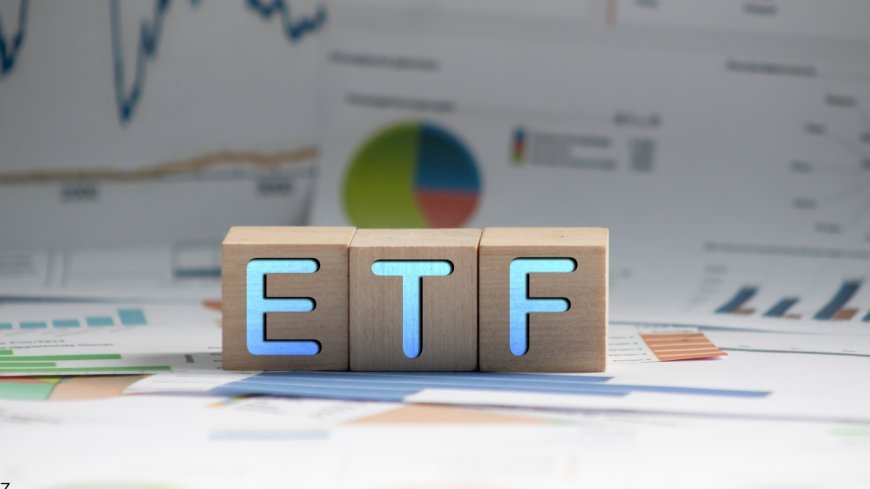
Exchange-traded funds have become the backbone of modern investing, offering low costs, diversification, and easy access to nearly every market segment. By 2026, ETFs dominate retirement accounts, taxable portfolios, and robo-advisors alike. But as the ETF universe has exploded, a major debate has intensified: should everyday investors stick with passive index ETFs, or are actively managed ETFs finally worth paying extra for?
With market volatility remaining elevated, interest rates stabilizing after years of shifts, and AI-driven trading reshaping financial markets, the choice between active and passive strategies matters more than ever. Each approach offers clear advantages—and hidden trade-offs—that investors should understand before building their portfolios.
Let’s break down how active and passive ETFs work, how they’ve evolved, and which strategy may make the most sense in 2026.
What Passive ETFs Are — And Why They Became So Popular
Passive ETFs are designed to track a specific index rather than beat it. Popular examples include funds that follow the S&P 500, Nasdaq 100, total stock market indexes, or bond market benchmarks. Instead of trying to pick winning stocks, passive ETFs simply hold all (or a representative sample) of the securities in the index they track. When the index rises, the ETF rises. When it falls, the ETF falls.
The biggest appeal is cost. Passive ETFs typically charge extremely low expense ratios, often under 0.10%. Over decades, those savings compound into significantly higher net returns for investors.
They also remove human decision-making, which reduces the risk of emotional investing, poor timing, or manager mistakes. Historically, most active fund managers have failed to outperform their benchmark indexes over long periods, making passive investing a reliable long-term strategy for millions.
By 2026, passive ETFs remain the default choice for retirement accounts and long-term wealth building.
What Active ETFs Bring to the Table in 2026
Active ETFs look similar to traditional ETFs on the surface, but instead of tracking an index, they are managed by professional portfolio managers who actively select stocks, bonds, or other assets.
The goal is simple: outperform the market.
What’s changed in recent years is transparency and cost. Unlike traditional mutual funds, active ETFs disclose holdings daily and generally charge lower fees than old-school active funds.
In 2026, many active ETFs now use advanced analytics, alternative data, and AI-assisted research to identify opportunities faster than human analysts alone. Some focus on market trends, earnings momentum, volatility management, or downside protection.
Active ETFs are especially popular in areas like technology, fixed income, emerging markets, and thematic investing, where market inefficiencies can still exist.
However, active ETFs still cost more than passive ones, often ranging from 0.30% to 0.80% annually. Over time, those fees can eat into returns if the fund fails to consistently outperform.
Performance Reality: Do Active ETFs Actually Beat the Market?
The honest answer: sometimes — but not consistently.
While a small number of active ETFs have delivered impressive outperformance in specific years or market conditions, the majority still struggle to beat broad market indexes over long periods. In strong bull markets, passive ETFs often outperform because they fully capture overall market growth without higher fees dragging performance down.
Active ETFs tend to shine during volatile or uneven markets, when stock selection, risk management, and sector rotation can help protect downside or capture short-term opportunities.
In 2026’s environment — where economic growth is uneven across sectors, and geopolitical risks continue to flare — active strategies can add value in certain niches. But predicting which managers will outperform ahead of time remains extremely difficult. For most everyday investors, consistency matters more than chasing occasional outperformance.
Cost Differences That Quietly Shape Your Returns
Fees may seem small on paper, but over time they make a massive difference. A passive ETF charging 0.05% annually versus an active ETF charging 0.60% may not look dramatic in one year. But over 20 or 30 years, that difference can reduce your final portfolio value by tens of thousands of dollars — or more.
Lower fees also give passive ETFs a built-in advantage: they don’t need to “beat the market” by much to deliver strong returns. Active ETFs must outperform enough to cover their higher costs just to match index performance. In long-term investing, cost control remains one of the most reliable predictors of success.
Risk and Volatility: Which Feels Easier to Hold?
Passive ETFs rise and fall with the market. During downturns, they can drop sharply — but they also fully participate in recoveries. Active ETFs may attempt to reduce losses through defensive positioning, cash exposure, or sector shifts. Some succeed temporarily, while others miss rebounds.
For investors who struggle emotionally during market swings, certain active ETFs focused on risk management may feel more comfortable. But this comfort comes with higher fees and no guarantee of better long-term outcomes.
Historically, simply staying invested in diversified passive ETFs through market cycles has proven more effective than trying to time moves.
Which Strategy Makes the Most Sense for Everyday Investors in 2026?
For most people building wealth steadily — saving monthly, investing for retirement, and holding long term — passive ETFs remain the strongest core strategy.
They offer:
Low fees
Broad diversification
Reliable market-level returns
Minimal maintenance
Active ETFs can play a supporting role for investors who:
Want exposure to specific opportunities
Seek downside protection in certain markets
Enjoy tactical investing
Understand the higher risk and cost
A common approach in 2026 is using passive ETFs for 70–90% of a portfolio, with active ETFs as smaller “satellite” positions.
This keeps long-term growth anchored while allowing some flexibility.
The Bottom Line: Simple Still Wins
Despite all the technological innovation in investing, the core truth remains unchanged in 2026: low-cost, diversified, long-term investing continues to outperform most complex strategies.
Active ETFs have improved dramatically and can add value in specific situations. But for everyday investors focused on growing wealth steadily, passive ETFs still provide the most reliable path forward.
Rather than choosing one exclusively, many investors benefit from combining both — keeping passive ETFs as the foundation while selectively using active funds where they truly make sense.
Before investing, always review expense ratios, performance history, strategy details, and risk profiles. Markets evolve, and not every ETF is created equal.
This article is for informational purposes only and not investment advice. Past performance does not guarantee future results. Investing involves risk, including possible loss of principal.
What's Your Reaction?
 Like
0
Like
0
 Dislike
0
Dislike
0
 Love
0
Love
0
 Funny
0
Funny
0
 Wow
0
Wow
0
 Sad
0
Sad
0
 Angry
0
Angry
0

Finance Mastering delivers practical insights on personal finance, budgeting, investing, and money management. Whether you're just starting out or looking to grow your wealth, we make financial freedom achievable.













Comments (0)