

How Credit Utilization Impacts Your Score
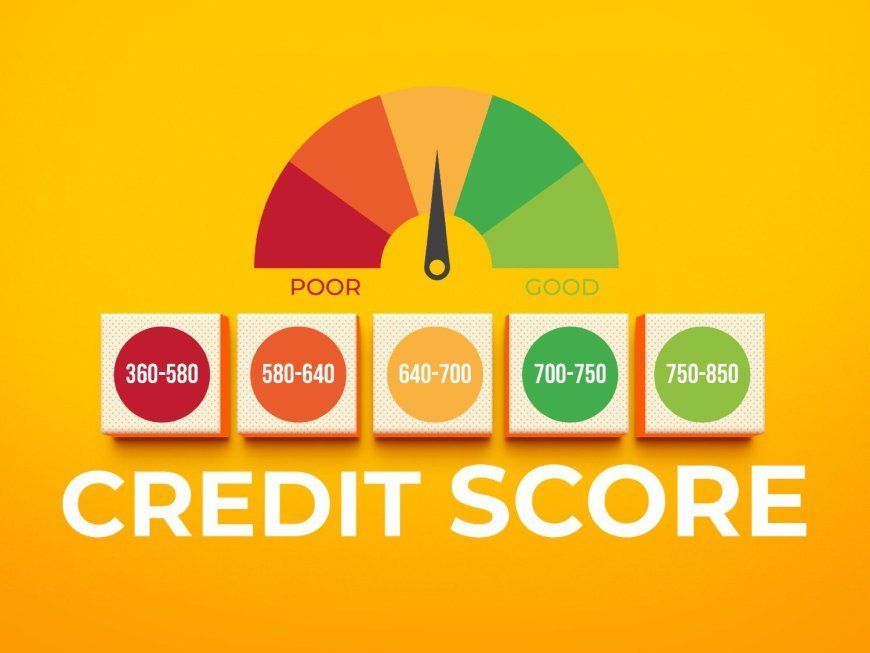
Credit utilization—simply the percentage of your available revolving credit (mostly credit cards) that you're currently using—plays a major role in your credit score, often accounting for about 30% of your FICO Score and around 20% of VantageScore models. It's calculated by dividing your total balances by your total credit limits (e.g., $2,000 balance on $10,000 limits = 20% utilization). This factor reflects how responsibly you manage credit: low utilization signals to lenders that you're not over-reliant on borrowed money, while high utilization can suggest financial strain—even if you pay on time every month.
Why Credit Utilization Matters So Much
Scoring models like FICO and VantageScore view high utilization as a risk indicator because people who max out or heavily use their credit are statistically more likely to miss payments or default. Even with perfect payment history, carrying high balances can drag your score down noticeably. Recent data shows the average U.S. credit utilization hovers around 29%, but those with excellent scores (800+) typically maintain much lower rates—often in the single digits (around 7% or less for top-tier FICO holders). High utilization on even one card (e.g., 90%+ on a single account) hurts more than moderate overall use, as models penalize individual card spikes. Newer models (like FICO 10 T and VantageScore 4.0) also consider trends in your utilization over time, rewarding consistent low usage.
What Counts as "Good" Utilization in 2026
The widely recommended threshold is keeping overall utilization below 30%—ideally under 10% for optimal scores. Here's a quick breakdown of impact levels:
- 0–10%: Excellent—maximizes positive effect; shows strong control (top scores often land here).
- 11–30%: Good—still positive for most, but room for improvement to push higher scores.
- 31–50%: Fair—starts to weigh negatively; noticeable score drag possible.
- 51%+: Poor—significant negative impact; can drop scores substantially, even with on-time payments.
Zero utilization isn't ideal long-term (it provides no data on how you handle credit), but occasional low or zero months won't hurt much if your history shows responsible use. The key is consistency: aim low across all cards and overall.
How Utilization Changes Affect Your Score
Utilization updates quickly—often reported monthly when issuers send data to bureaus—so paying down balances before your statement closes can boost your score fast (sometimes 20–50+ points for big reductions). Conversely, a large purchase that spikes utilization can cause a temporary dip until paid off. Requesting credit limit increases (if you qualify) lowers the ratio without changing balances, but avoid closing old accounts—it reduces total available credit and raises utilization.
Practical Tips to Keep Utilization Low and Healthy
- Pay balances multiple times per month or before statement closing to report lower figures.
- Spread charges across cards instead of maxing one.
- Request limit increases periodically (after 6–12 months of good use).
- Avoid carrying large balances into the next cycle.
- Monitor via free credit reports (AnnualCreditReport.com) or apps from issuers/bureaus.
In 2026, with no major scoring model overhauls shifting utilization's weight dramatically, this factor remains one of the most controllable ways to improve or protect your score. Focus on keeping it under 30% (better yet, under 10%), pair it with on-time payments, and you'll see meaningful gains—often faster than other changes.
What's Your Reaction?
 Like
0
Like
0
 Dislike
0
Dislike
0
 Love
0
Love
0
 Funny
0
Funny
0
 Wow
0
Wow
0
 Sad
0
Sad
0
 Angry
0
Angry
0

Finance Mastering delivers practical insights on personal finance, budgeting, investing, and money management. Whether you're just starting out or looking to grow your wealth, we make financial freedom achievable.














Comments (0)