

The Drop in U.S. Credit Scores: What’s Behind the Trend and Who’s Most Affected?
In 2025, the average U.S. credit score took a hit, falling to 715 from 717 in 2024, according to a recent FICO report. This two-point drop marks the steepest decline since the 2009 financial crisis, when scores fell three points from 690 to 687. For many Americans, this dip signals growing financial strain driven by rising credit utilization, surging student loan delinquencies, and economic pressures like inflation and high interest rates. Here’s what’s happening and how it could affect you.

For the first time in over a decade, the average U.S. credit score has experienced a significant decline, falling from a record high of 718 in 2024 to 715 in early 2025. This downturn, a direct reversal of a long-term upward trend that began after the 2008 financial crisis, is a key indicator of emerging financial stress among American consumers. While a three-point drop might seem minor, it marks a significant shift in consumer financial health and signals potential challenges ahead.
The decline stems from two key factors: increased credit utilization and a surge in payment delinquencies, particularly for student loans.
1. Higher Credit Utilization and Inflation’s Impact
Credit utilization—the ratio of credit card balances to available credit—has been a major driver of the recent score decline. For years, this metric trended downward, as consumers used less of their available credit. However, that trend has reversed sharply since the COVID-19 pandemic.
In April 2025, the average credit utilization rate hit 35.5%, a notable increase from 29.6% just four years prior in April 2021. This rise reflects a growing reliance on credit cards as consumers grapple with persistent inflation. During the pandemic, government stimulus programs, reduced spending on travel and entertainment, and temporary payment freezes on loans helped many households build up savings and pay down debt. This "pandemic savings cushion" kept credit card balances low and scores high.
But as those supports have faded and the cost of living—from groceries to housing—has soared, consumers are turning to credit cards to bridge the gap. They're not just using credit for major purchases; they're increasingly relying on it for everyday necessities. This dynamic is pushing utilization rates higher and, as a direct consequence, dragging down credit scores. A higher utilization rate signals to lenders that a borrower may be overextended or at a greater risk of default, which is why it has a strong negative impact on a credit score.
2. The Unveiling of Student Loan Delinquencies
The end of pandemic-era student loan protections has also played a major role in the credit score decline. From 2020 to September 2023, federal student loan borrowers benefited from a payment pause, with no interest accrual or penalties for missed payments. To ease the transition back to repayment, the Biden administration provided an "on-ramp" period until September 2024, during which late payments were not reported to credit agencies.
This on-ramp period essentially masked the underlying financial struggles of millions of borrowers. When the grace period ended, the true extent of the payment issues became apparent. Starting in February 2025, delinquencies began appearing on credit reports, with 3.1% of FICO scoreholders seeing a student loan delinquency added between February and April 2025.
The data for more severe delinquencies is even more concerning. The percentage of student loans that were 90 or more days late jumped to 9.8% in April 2025, up from 7.9% a year earlier. This sudden influx of negative payment history is a powerful negative signal to credit reporting agencies and is disproportionately affecting younger borrowers who have less established credit histories to absorb the blow.
Who’s Hit Hardest? Gen Z Takes the Brunt
While the credit score decline is a national trend, its impact is far from uniform. Gen Z (born 1997–2012) has been particularly affected, with their average credit score dropping by three points year-over-year—more than any other age group.
Several factors explain why this generation is feeling the squeeze more acutely:
-
Student Loan Exposure: Gen Z is twice as likely to have student loans compared to the broader population. The end of the payment pause directly impacted their finances and credit reports, often with no prior experience managing these large, long-term debts.
-
Limited Financial Cushion: Many Gen Z individuals are just starting their careers and have had less time to build up savings, assets, or a robust credit history. Unlike older generations who may benefit from decades of home price appreciation or stock market gains, Gen Z is facing an unprecedented affordability crisis amid high interest rates and inflation.
AdvertisementEnd of AdvertisementAdvertisementEnd of Advertisement -
The "Credit Ladder" Challenge: With fewer years of credit history, a single negative event—like a missed student loan payment—can have a disproportionately large impact on their relatively fragile scores.
Why This Matters for All Consumers
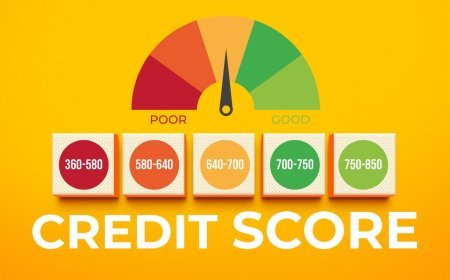
Your credit score, typically a number between 300 and 850, is more than just a number; it’s a direct signal of your creditworthiness to lenders. A lower score can have serious, tangible consequences:
-
Higher Interest Rates: Lenders see you as a higher risk, so they charge more for loans. A lower score could mean paying thousands of dollars more in interest over the life of a car loan or mortgage.
-
Limited Access to Credit: You might be denied a new credit card, a line of credit, or a loan altogether.
AdvertisementEnd of AdvertisementAdvertisementEnd of Advertisement -
Higher Insurance Premiums: In many states, your credit score can affect the rates you pay for car and homeowners insurance.
-
Challenges with Renting or Utilities: Landlords and utility companies often check credit scores to assess risk, and a low score can lead to a bigger security deposit or even a rejection.
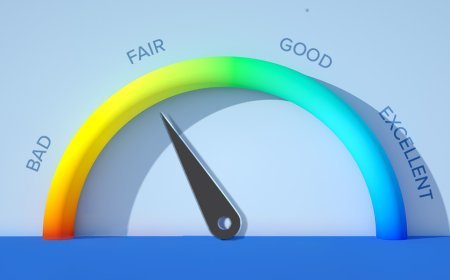
While the average score of 715 still falls within a "good" range, even a small decline can push someone from a "good" score to a "fair" one, or from "fair" to "poor," with immediate and negative financial consequences.
Taking Control: Practical Steps to Protect Your Score
If you're concerned about your credit score or want to avoid a future dip, proactive steps are essential.
1. Tackle Your Credit Utilization
-
Rule of Thumb: Aim to keep your total credit card balances below 30% of your available credit. Even better, aim for below 10% for an excellent score.
AdvertisementEnd of AdvertisementAdvertisementEnd of Advertisement -
Pay Down High-Interest Debt: Focus on paying off cards with the highest interest rates first. This saves you money and quickly lowers your balances.
-
Request a Credit Limit Increase: If you have a good payment history, you can ask your credit card company for a limit increase. This can instantly lower your utilization ratio without you having to pay anything down—just be disciplined not to use the new credit.
-
Become a Card "Sponsor": If a family member has a credit card with a good payment history and a low balance, you could ask them to add you as an authorized user. Their positive credit history could reflect on your own report.
2. Manage Student Loans Strategically
-
Explore Repayment Plans: If you are struggling with federal student loan payments, don’t ignore them. Contact your loan servicer immediately. You may be eligible for an income-driven repayment (IDR) plan, which can lower your monthly payments based on your income and family size.
AdvertisementEnd of AdvertisementAdvertisementEnd of Advertisement -
Consider Forbearance or Deferment: These temporary options can pause or reduce payments during times of financial hardship, preventing new delinquencies from hitting your report.
3. Monitor Your Financial Health
-
Check Your Credit Report Regularly: You are entitled to a free credit report from each of the three major bureaus (Equifax, Experian, and TransUnion) every year. You can access all three for free weekly at AnnualCreditReport.com. Review your reports for any errors, fraudulent accounts, or unreported payments, especially if you were affected by the student loan on-ramp period.
-
Build an Emergency Fund: Even a small savings buffer—starting with just a few hundred dollars—can be the difference between using a credit card to cover an unexpected expense and avoiding debt altogether.
Looking Ahead: A Call for Vigilance
The 2025 credit score decline is a significant wake-up call, but it’s not a full-blown financial crisis on the scale of 2008-2009. The underlying issues are rooted in persistent inflation and the unwinding of pandemic-era financial protections, not widespread subprime lending.
The drop serves as a powerful reminder that consumer financial health is not a given. By managing credit wisely, paying down debt, and staying proactive, you can protect or even improve your score despite economic headwinds. The key is vigilance and taking ownership of your financial well-being.
Sources: FICO, "Average U.S. FICO® Score Credit Insights"; Federal Student Aid, "COVID-19 Emergency Relief and Federal Student Aid"; Investopedia.
What's Your Reaction?
 Like
0
Like
0
 Dislike
0
Dislike
0
 Love
0
Love
0
 Funny
0
Funny
0
 Wow
0
Wow
0
 Sad
0
Sad
0
 Angry
0
Angry
0

Finance Mastering delivers practical insights on personal finance, budgeting, investing, and money management. Whether you're just starting out or looking to grow your wealth, we make financial freedom achievable.













Comments (0)