

The No-Spend Challenge: 30 Days to Reset Your Finances
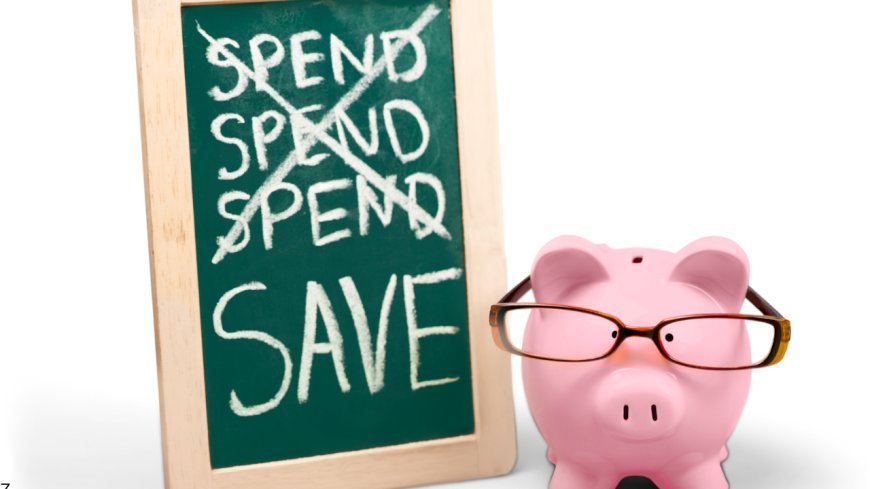
In a world where one-click purchases, daily coffee runs, and constant “treat yourself” messaging have become normal, money disappears faster than most of us realize. The No-Spend Challenge is a deliberate 30-day pause on all non-essential spending that thousands of people have used to pay off debt, jump-start savings, and finally feel in control of their financial life.
What a No-Spend Challenge Actually Looks Like
The rules are simple but strict: for thirty consecutive days you only spend money on true necessities. Rent or mortgage payments, utilities, basic groceries you cook yourself, transportation to work, minimum debt payments, prescription medication, and basic hygiene items you’ve completely run out of are allowed. Everything else is forbidden.
That means no restaurants, no takeout, no coffee shops, no alcohol, no new clothes, shoes, makeup, books, gadgets, subscriptions you can pause, home decor, hobbies, online shopping, or even the small “I had a rough day” treats. If it isn’t keeping a roof over your head, the lights on, or food in the fridge, it waits until the challenge is over.
Why This Challenge Changes Everything
Most of us have no idea where our money actually goes until we’re forced to stop spending it. The first week is usually eye-opening: you’ll catch yourself reaching for your phone to order food out of habit, or driving toward the familiar coffee shop without thinking. Those moments reveal spending triggers you never noticed before.
By the end of the month the average participant saves between $300 and $1,200, depending on previous habits and location. More importantly, the saved money feels different—it’s visible, intentional, and motivating in a way that leftover paycheck scraps never are. You also break the instant-gratification cycle and remember that joy doesn’t have to come with a receipt.
How to Run Your Own 30-Day Challenge Without Failing
Success starts before Day 1. Pick a start date (the 1st of the month or the day after payday works best) and commit publicly—tell your partner, a friend, or post it online. Accountability dramatically raises completion rates.
Next, write down your exact rules and post them where you’ll see them daily. Decide in advance how you’ll handle gray areas: kids’ activities, work lunches, birthday gifts that fall inside the month, or replacing a broken phone charger. Vague rules become loopholes; crystal-clear rules keep you honest.
Clear your environment of temptation.
Unsubscribe from marketing emails, delete shopping apps, unfollow brands and influencers, and take a different route home if your usual one passes favorite stores or drive-throughs. Stock your pantry, freezer, and bathroom cabinets so you’re not forced to break the rules because you genuinely ran out of food or toilet paper.
Finally, plan replacements for the habits you’re removing. Have a list ready for when boredom or stress hits: go for a walk, drink tea you already own, call a friend, read a book from your shelf, exercise, or start that side-hustle idea you’ve been postponing. Removing the spending habit without replacing it is a recipe for relapse.
Real Results People Achieved in 2024–2025
Sarah, 28, living in a high-cost city, normally spent $4,800 a month. Her first no-spend month saved her $1,180, with the biggest shock being $420 wasted on delivery apps and morning lattes. Mike and Jen, parents of two young kids, cut their usual $7,200 monthly spending by $1,950 once they stopped Target runs and after-school activity fees. Alex, a recent graduate, saved $920 by canceling forgotten subscriptions and skipping impulse Amazon orders. Even conservative spenders routinely free up $300–$600 with almost no effort.
What to Do When the 30 Days Are Over
Don’t go straight back to old habits. Many people follow their no-spend month with a “low-spend” month where only one or two chosen categories are allowed. Others adopt permanent rules like waiting 48 hours before any non-essential purchase or creating a guilt-free “fun money” allowance each paycheck. Turning the challenge into a quarterly tradition keeps the benefits compounding for years.
The No-Spend Challenge isn’t about deprivation forever—it’s a short, intense reset that proves you have far more control than advertising ever wants you to believe. One month from today you could have hundreds (or thousands) of extra dollars and a completely new relationship with money.
What's Your Reaction?
 Like
0
Like
0
 Dislike
0
Dislike
0
 Love
0
Love
0
 Funny
0
Funny
0
 Wow
0
Wow
0
 Sad
0
Sad
0
 Angry
0
Angry
0

Finance Mastering delivers practical insights on personal finance, budgeting, investing, and money management. Whether you're just starting out or looking to grow your wealth, we make financial freedom achievable.













Comments (0)