

The Psychology of Spending: Why You Buy What You Don’t Need
In today's world of endless notifications, one-click purchases, and constant "treat yourself" messaging, it's incredibly easy for money to slip away on things that aren't truly necessary. Most people don't wake up intending to overspend—yet the average American household wastes hundreds (sometimes thousands) of dollars each month on impulse buys, emotional purchases, and subtle lifestyle creep. The real driver behind these decisions isn't a lack of willpower; it's deeply rooted psychology. Understanding why our brains push us to buy what we don't need is the first step toward breaking the cycle and reclaiming control over your finances.
Spending often feels good in the moment because it triggers a quick hit of dopamine—the same brain chemical released during eating, social bonding, or winning. Retailers and advertisers have mastered exploiting this reward system: limited-time offers create urgency, social proof (seeing others buy) builds FOMO, and personalized ads make items feel essential. Over time, these small dopamine hits train the brain to associate shopping with relief, celebration, or comfort, turning unnecessary purchases into a default response to boredom, stress, loneliness, or even success.
The Role of Cognitive Biases in Everyday Spending
Our brains use mental shortcuts—cognitive biases—that quietly sabotage rational money decisions. Anchoring bias makes us fixate on the original price ("It was $100, now it's $70—such a deal!") even if we never planned to buy it. The endowment effect leads us to value things more once we own them, making returns feel painful and justifying keeping unused items. Availability bias amplifies the perceived need for something when we see it everywhere—whether it's influencers flaunting new gadgets or friends upgrading their homes. These biases operate below conscious awareness, turning "I want this" into "I need this" before logic has a chance to intervene.
Another powerful force is loss aversion: the pain of losing $50 feels twice as intense as the pleasure of gaining $50. This explains why people hold onto unused subscriptions (to avoid "wasting" the money already spent) or buy extras during sales ("I'd regret missing this price"). Confirmation bias reinforces bad habits too—we seek out content that justifies spending (luxury lifestyle posts, "you deserve it" ads) while ignoring evidence of financial strain.
Emotional Triggers and Lifestyle Creep
Emotions are perhaps the strongest spending driver. Stress, boredom, anxiety, or low mood often lead to "retail therapy" because buying provides instant mood repair. Studies show people in negative emotional states are far more likely to make impulsive purchases as a quick fix. Happiness triggers spending too—celebrating a raise, promotion, or milestone with unnecessary upgrades creates lifestyle creep, where increased income quietly raises baseline expenses instead of building wealth.
Social comparison plays a huge role in modern spending. Seeing friends, family, or online strangers with newer cars, bigger homes, or trendier clothes activates envy and the fear of falling behind. Across the U.S., where social media amplifies these comparisons, many feel pressure to keep up appearances even when it means stretching budgets thin. Over time, this turns wants into perceived needs, eroding savings and creating a cycle of living paycheck to paycheck despite rising income.
How to Reprogram Your Spending Psychology
Awareness is the foundation—start tracking every purchase for 30 days (even small ones) to reveal patterns and emotional triggers. Pause before buying with the 24- or 48-hour rule: if the desire fades, it was likely impulse. Reframe spending language—replace "I deserve this" with "Does this align with my goals?"—to interrupt automatic justification.
Create friction for unnecessary buys: remove saved payment info from sites, unsubscribe from marketing emails, and use cash or debit for discretionary spending to feel the loss more tangibly. Build positive alternatives—when stress hits, go for a walk, call a friend, or use free hobbies instead of shopping. Automate savings first (pay yourself before spending) so the money is already "gone" when temptation strikes. Over time, these habits weaken the emotional-spending link and strengthen financial discipline.
The Long-Term Payoff of Mastering Spending Psychology
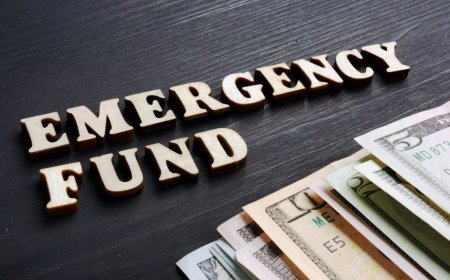
When you stop buying what you don't need, the freed-up money compounds powerfully. Even modest reductions—$200 less on impulse buys each month—adds up to $2,400 annually, which can fund an emergency fund, extra debt payments, or investments earning 4–7%+. More importantly, it brings peace: less financial stress, more alignment between spending and values, and a sense of control in an economy designed to encourage consumption.
Mastering the psychology of spending isn't about deprivation—it's about intentional choices that support the life you actually want. Small, consistent shifts in how you respond to emotional and cognitive triggers can transform your financial trajectory in 2026 and beyond.
What's Your Reaction?
 Like
0
Like
0
 Dislike
0
Dislike
0
 Love
0
Love
0
 Funny
0
Funny
0
 Wow
0
Wow
0
 Sad
0
Sad
0
 Angry
0
Angry
0

Finance Mastering delivers practical insights on personal finance, budgeting, investing, and money management. Whether you're just starting out or looking to grow your wealth, we make financial freedom achievable.














Comments (0)