

The Fed Just Cut Rates Again: What It Really Means for Mortgage Borrowers in 2026
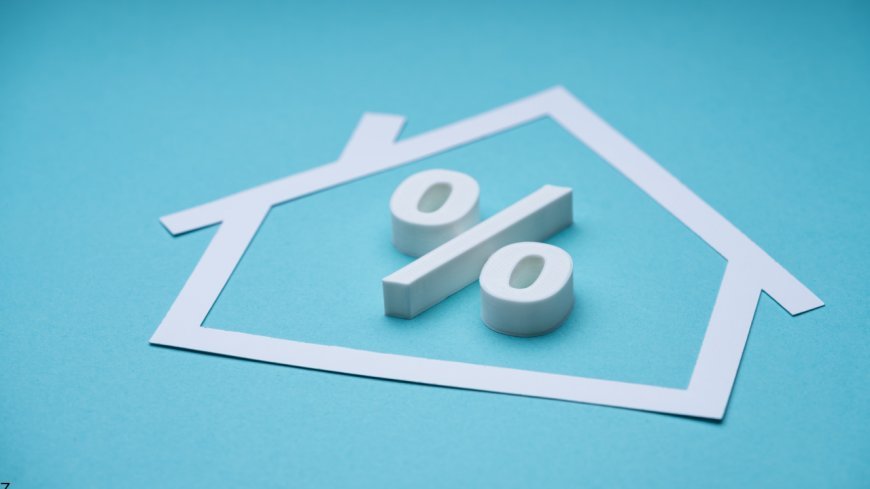
When the Federal Reserve announced another interest rate cut on December 10th, 2025, many future homebuyers and homeowners felt a wave of optimism. Lower Fed rates usually signal cheaper borrowing ahead, and after years of elevated mortgage costs, people were eager for relief. But when borrowers checked actual mortgage offers, the excitement faded quickly. Instead of a sharp decline, 30-year fixed mortgage rates remained stuck around 6.0% to 6.3%. For many, it raised a frustrating question: If the Fed is cutting rates, why aren’t mortgages getting cheaper?
Why the December 2025 Rate Cut Barely Moved Mortgage Rates
The biggest misunderstanding about mortgage rates is assuming they follow the Fed’s moves directly. In reality, mortgage rates are tied much more closely to long-term bond markets, especially the 10-year Treasury yield, not the Fed’s short-term benchmark rate. By the time the Fed cut rates in December, financial markets had already anticipated the decision. Lenders had adjusted pricing weeks and even months earlier. Since the cut wasn’t a surprise, there was no sudden reason for mortgage rates to fall further once it became official.
Another key factor was lingering uncertainty about inflation. While inflation slowed significantly compared to prior years, investors remained cautious. Combined with steady job growth and continued consumer spending, there wasn’t enough economic weakness to push long-term rates meaningfully lower. Add in heavy government borrowing, and the result was a ceiling that mortgage rates struggled to break through.
Where Mortgage Rates Are as We approach 2026
As 2026 approach, most borrowers are still encountering mortgage rates between 6.0% and 6.3% for a standard 30-year fixed loan. The exact rate depends on factors like credit score, down payment size, loan type, and lender competition, but the broader range has remained consistent.
While this level is lower than the peaks seen in 2023 and early 2024, it’s still far above the ultra-low rates many homeowners locked in during the pandemic years. This gap is why refinancing activity remains muted and why many homeowners are reluctant to sell, even if they’d otherwise move. That said, stability itself is meaningful. After years of volatility, the fact that rates are no longer swinging wildly month to month gives buyers and lenders a clearer planning window heading into the new year.
Why Mortgage Rates Defied Post-Cut Expectations
Many analysts expected mortgage rates to fall more aggressively once the Fed began cutting. The problem wasn’t the logic—it was the timing. Markets tend to move ahead of official announcements, and much of the “good news” was already baked into prices. Additionally, long-term inflation expectations never fully collapsed. Even small concerns about future price pressures are enough to keep bond yields elevated, which directly affects mortgage rates. Investors also demanded higher yields due to ongoing fiscal deficits and heavy Treasury issuance.
In short, mortgage rates didn’t ignore the Fed—they simply reacted earlier, then waited for stronger confirmation that inflation and economic risks were truly under control.
What Experts Expect for Mortgage Rates in 2026
Looking ahead, most forecasts point to gradual, not dramatic, declines. Economists generally expect mortgage rates to drift toward the 5.9% to 6.3% range throughout 2026, assuming inflation continues cooling and the Fed follows through with additional modest cuts.
However, expectations of a rapid return to 4% or 5% mortgages are largely unrealistic without a significant economic slowdown. Rates are more likely to move in slow steps, with periods of stagnation rather than steady drops. For borrowers, this means patience matters more than perfect timing. Small fluctuations may create short windows of opportunity, but the overall trend appears slow and controlled rather than sharp and sudden.
What Homebuyers Should Do in This Environment
For buyers, waiting indefinitely for lower rates can be risky. Home prices may continue rising in many markets, potentially offsetting any savings from slightly lower mortgage rates later on. A smarter approach is focusing on affordability rather than chasing the lowest possible rate. Getting pre-approved, shopping multiple lenders, and considering temporary rate buydowns can make a meaningful difference. If rates fall later, refinancing remains an option.
Most importantly, buyers should run the numbers based on their real budget and timeline, not on hopes of a future rate drop that may take longer than expected.
Smart Moves for Homeowners Considering Refinancing
For homeowners, refinancing in 2026 will depend heavily on your current rate. If you locked in above 7%, even a move to the low-6% range could provide monthly relief. But for those already near 6%, the math may not justify closing costs yet. That doesn’t mean ignoring the market. Monitoring rate trends, improving credit scores, and reducing debt now can position you to act quickly when the right opportunity appears. Refinancing isn’t about chasing headlines—it’s about waiting for a clear, personal financial benefit.
The Bottom Line
The December 2025 Fed rate cut was an important signal, but it was never a magic switch for mortgage rates. As we move through 2026, borrowers should expect slow, uneven improvements, not overnight relief. For both buyers and homeowners, success will come from preparation, flexibility, and realistic expectations. Mortgage rates may ease slightly, but smart decisions—not perfect timing—will matter far more in the year ahead.
What's Your Reaction?
 Like
0
Like
0
 Dislike
0
Dislike
0
 Love
0
Love
0
 Funny
0
Funny
0
 Wow
0
Wow
0
 Sad
0
Sad
0
 Angry
0
Angry
0

Finance Mastering delivers practical insights on personal finance, budgeting, investing, and money management. Whether you're just starting out or looking to grow your wealth, we make financial freedom achievable.













Comments (0)