

Should You Rent or Buy a Home? Weighing Your Options for the Best Decision
Deciding whether to rent or buy a home is a big choice that affects your finances and lifestyle. Buying might be the better option if you plan to stay in one place for a long time, while renting could be ideal for those looking for flexibility. This article was written by both financemastering.com and usbestnews.com teams.
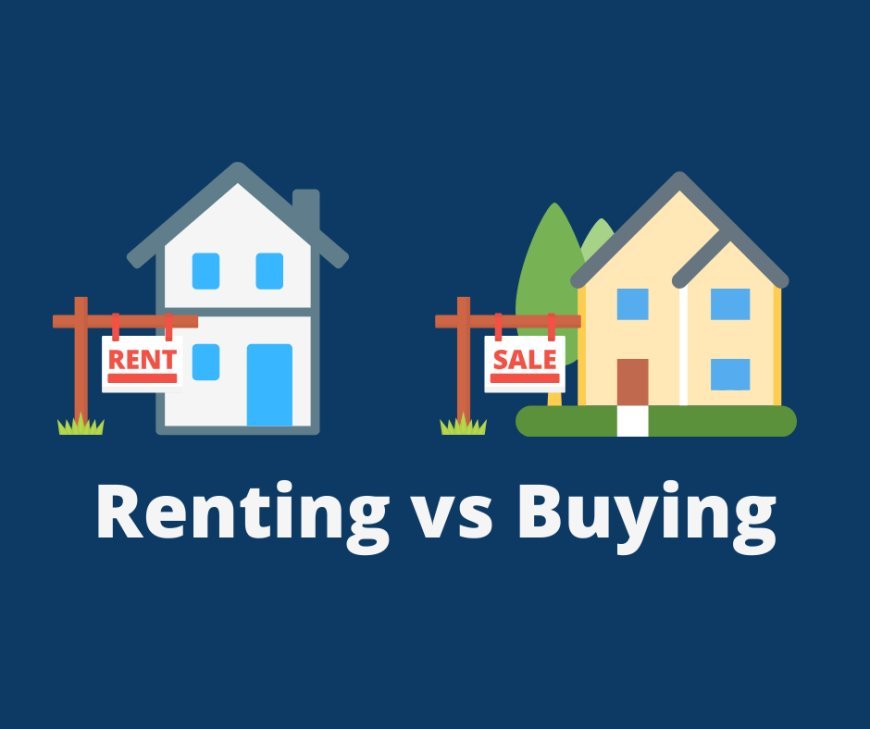
Deciding whether to rent or buy a home is a big choice that affects your finances and lifestyle. Buying might be the better option if you plan to stay in one place for a long time, while renting could be ideal for those looking for flexibility. The housing market can change, and understanding your options helps you make the best decision for your situation.
Renting offers the freedom to move, often with lower upfront costs. It can suit those who are just starting out or who may not be ready to settle down.
On the other hand, buying a home can be a good investment in a strong real estate market. Owning property often means building equity and having a place to truly call your own.
This article will explore the key factors to consider before making your choice. You’ll learn about the pros and cons of both renting and buying, helping you decide what fits your needs best.
Pros and Cons of Buying a Home
Buying a home can be a big step in your life. It brings opportunities for building equity, potential long-term financial benefits, and a sense of personalization and stability.
Building Equity and Home Value
When you buy a home, you begin building equity. Equity is the portion of your home that you own outright. Each mortgage payment you make increases your equity as you pay down the loan.
As home values rise, your equity grows even faster. This increased equity can help you later if you need to make a big purchase or need a loan.
Investing in a home can also be viewed as a way to achieve the American Dream. Owning property might be a source of pride, and it can be an essential part of your financial future.
Long-Term Financial Benefits
Buying a home typically offers more long-term financial stability than renting. With a fixed-rate mortgage, your monthly payments remain consistent, allowing you to budget more effectively.
In contrast, rent may increase each year, making it harder to plan financially. Plus, homeowners can often deduct mortgage interest on their taxes, offering additional savings.
Moreover, as you pay off your mortgage, you can shift funds that once went to rent toward savings or retirement. This shift can lead to improved financial health over time.
Personalization and Stability
Owning a home gives you the freedom to personalize your space. You can paint walls, remodel rooms, or even landscape your yard to suit your style and needs.
This level of control can create a sense of stability. When you own your home, you don’t have to worry about a landlord deciding to sell or raise your rent.
Stability also comes from having a consistent place to live. Knowing you can stay in your home for years can reduce stress and help you feel more settled in your community.
Understanding the Costs of Homeownership
Owning a home involves several costs beyond the price of the property itself. You’ll need to consider both initial expenses and ongoing costs to have a clear picture of your financial commitment.
Initial Costs: Down Payment and Closing Costs
One of the first big expenses you’ll face is the down payment. This is usually a percentage of the home's price that you pay upfront. It typically ranges from 3% to 20% or more. A higher down payment can lower your monthly mortgage payments and save you money on interest over time.
Closing costs come next and usually total 2% to 5% of the home's price. These costs include fees for title insurance, inspections, and appraisal services. Be prepared to cover these costs to finalize your purchase.
Ongoing Costs: Property Taxes, Maintenance, and Insurance
Once you own a home, several ongoing costs will arise. Property taxes are usually paid annually and can vary based on your location. They may increase over time, so be sure to budget for them.
Maintenance is another important aspect. Homes need regular upkeep, including repairs and unexpected issues. A good rule is to set aside 1% of the home’s purchase price each year for maintenance.
Homeowners insurance is essential for protecting your property against damage or theft. This cost can range significantly depending on various factors, including your home's location and value. Ensure you review your policy regularly to keep up with any changes.
The Impact of Mortgage Interest Rates
Mortgage interest rates play a crucial role in your monthly payments. When you borrow money to buy a home, the interest rate will determine how much you pay over the life of the loan. A lower rate means lower monthly payments, while a higher rate can significantly increase your costs.
At present, mortgage rates can fluctuate based on market conditions. Even small changes can have a big impact on your finances. That’s why it’s smart to keep an eye on rates and consider locking them in if you find a good deal.
Pros and Cons of Renting a Home
Renting a home has specific benefits and drawbacks that can affect your living situation. You might appreciate the flexibility it offers, but there are also some responsibilities that come with it. Here’s a closer look.
Flexibility and Mobility
One of the biggest advantages of renting is flexibility. When you're in a lease, you can often move at the end of the term without the long-term commitment of homeownership. This is perfect if you anticipate relocating for work or personal reasons.
If you find a better job or want to live in a different city, your rental agreement allows for simpler transitions. Just be aware that leases can vary, so check for any clauses about early termination fees.
Renting usually comes with less hassle when it comes to changes in your living situation. Your landlord typically handles most moving-related tasks, allowing you to focus on settling in.
Avoiding Maintenance and Repair Responsibilities
Renting also means you can avoid many maintenance and repair costs. Your landlord is responsible for fixing issues in the home, like broken appliances or plumbing problems. This can save you time and money.
Most landlords also expect that you’ll have renter’s insurance for your belongings. This protects you from loss or damage without worrying about fixing the building itself.
However, keep in mind that some landlords might require you to take care of minor repairs. It’s a good idea to read your lease carefully. If maintenance issues arise, reporting them promptly can help ensure they are resolved quickly and efficiently.
Comparing Monthly Expenditures
When deciding whether to rent or buy a home, it's essential to look closely at your monthly expenses. This includes both rent payments and mortgage payments, as well as additional costs that come with homeownership.
Rent Payments vs. Mortgage Payments
Rent payments are usually steady and predictable. You will pay a monthly fee to a landlord, often plus a security deposit when you first move in. This deposit is usually equal to one month's rent and is returned at the end of your lease if there’s no damage.
Mortgage payments, on the other hand, can vary. A fixed-rate mortgage means your payment stays the same over time. This gives you stability in budgeting. Keep in mind, though, that mortgage payments also include property taxes and homeowners insurance, which can add up.
Assessing Other Monthly Home-Related Costs
In addition to rent or mortgage, you should think about other costs. Homeowners often have maintenance and repair expenses. These can be unpredictable and can disrupt your budget. You might need to pay for things like roof repairs, plumbing issues, or lawn care.
Renters generally have fewer responsibilities. Your landlord usually handles repairs. You may still want renters insurance to protect your belongings, but it's often less expensive than homeowners insurance.
Choosing the Right Home for Your Lifestyle
Finding the right home means considering more than just the price. You should focus on location and how the home fits your needs. Two important areas to think about are the neighborhood and the size of the home.
Considering the Importance of Location
When choosing a home, start with the community. Look at nearby schools, parks, and shopping. A good school district can boost home values. If you have kids or plan to in the future, being close to quality schools is a big plus.
Also think about the rental market. If you ever need to sell or rent out your home, understanding local trends helps. Areas with rising home prices are usually more desirable. Check out the local amenities and commute times as well; these can affect your daily life.
Evaluating Home Size and Amenities
Next, consider the size of the home and its features. How many bedrooms do you need? If you work from home, having an office might be essential.
Take note of the amenities, like a backyard or garage. These can change your lifestyle significantly.
If you enjoy outdoor activities, having space for a garden or patio can enhance your living experience.
Balance your needs with your budget. Remember, a slightly bigger home might cost more but could offer you the comfort you desire.
Take your time to find the space that truly fits your lifestyle.
What's Your Reaction?
 Like
0
Like
0
 Dislike
0
Dislike
0
 Love
0
Love
0
 Funny
0
Funny
0
 Wow
0
Wow
0
 Sad
0
Sad
0
 Angry
0
Angry
0

Passionate about breaking down complex finance-related concepts into simple terms to help everyday people.









Comments (0)