

Are stimulus checks being sent out this Month?
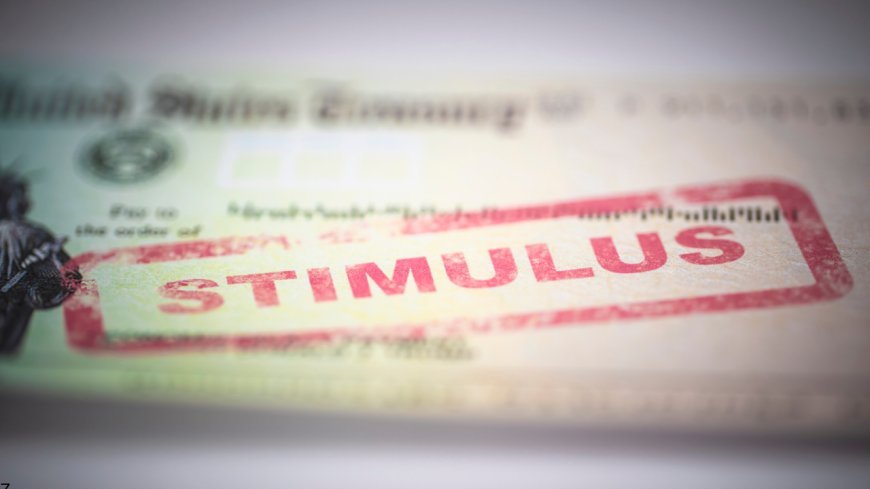
President Donald Trump ignited fresh buzz on November 9, 2025, with a Truth Social post promising a “$2,000 tariff dividend” for most Americans, funded directly from tariff revenues collected on imports from countries like China and Mexico. In the early morning update at 7:25 a.m., Trump framed this as a reward for the nation’s economic resurgence under his leadership, explicitly excluding high-income earners to target middle- and lower-class families.
This isn’t the first tease of such a plan—Trump floated similar ideas earlier in 2025, including during an October rally in Pennsylvania—but today’s post ties it explicitly to ongoing tariff successes, amid a Supreme Court case scrutinizing the legality of his trade policies. The announcement comes as the U.S. Treasury reports $214.9 billion in tariff collections so far this year, providing a tangible revenue stream for the proposal.
Social media erupted immediately, with users sharing the post and speculating on timelines, though White House officials emphasized that tariffs are “resetting global commerce” while generating billions for potential redistribution.
What the $2,000 Tariff Dividend Entails
Under Trump’s vision, the dividend would deliver at least $2,000 per eligible person via direct deposit, similar to pandemic-era Economic Impact Payments, but sourced from trade duties rather than deficit spending. Eligibility appears broad, covering U.S. citizens and likely dependents like children, potentially allowing a family of five to receive $10,000 or more, echoing past relief structures where payments scaled per household member.
High-income thresholds, possibly mirroring prior stimulus limits around $80,000 for singles or $160,000 for couples, would phase out benefits to focus aid on those hit hardest by inflation and rising costs. Trump described it as “Americans’ money back to Americans,” positioning the plan as an “America First” win that bolsters manufacturing and national security without new taxes.
While details on exact qualifiers remain sparse, the proposal aligns with earlier discussions of a “National Dividend Program,” which could integrate with IRS systems for swift rollout if approved, potentially including automatic adjustments for inflation.
Path to Reality: Congressional Hurdles and Timelines
Despite the excitement, turning Trump’s post into checks in hands requires Congressional action—a bill must pass both the House and Senate, then be signed into law—amid an ongoing government shutdown complicating budget talks. Experts note that while Republicans hold majorities, partisan divides over spending could delay or dilute the plan, with no firm date beyond vague hints of “soon.”
If fast-tracked, payments could theoretically hit accounts by late November or early December 2025, leveraging IRS infrastructure from prior rounds, but skeptics point to the Supreme Court’s looming tariff ruling as a potential roadblock. Treasury Secretary Scott Bessent, speaking on ABC today, acknowledged stimulus options but stressed alternatives like tax cuts might complement direct payments.
For now, the announcement serves as a political signal, rallying support for tariffs while pressuring lawmakers; monitoring official channels like IRS.gov will be key as details emerge.
Echoes of Past Stimulus: How This Differs from COVID Checks
Unlike the 2020-2021 federal stimulus rounds—totaling up to $3,200 per adult under bipartisan bills—this tariff-funded version avoids broad debt increases, drawing instead from $31.3 billion in recent monthly tariff hauls. Those pandemic payments, ranging from $600 to $1,400, were emergency measures; today’s pitch recasts relief as an earned “dividend” from trade wins.
Critics, including some Democrats like Rep. Ro Khanna who proposed a $2,000 check earlier this year, argue it could still fuel inflation without addressing root issues like housing costs. Proponents counter that targeted exclusions make it more sustainable, potentially boosting consumer spending in key sectors.
Historical parallels aside, this plan’s novelty lies in its trade linkage, which could set a precedent for future revenue-sharing models if successful.
Scam Alerts Amid the Hype: Protecting Yourself Now
Today’s viral post has already spawned phishing attempts mimicking IRS notifications for “tariff dividends,” urging users to click links or share SSNs—tactics the IRS warns against, as legitimate updates come only via mail or official portals. With stimulus rumors perennial scam bait, double-check any unsolicited contact against IRS.gov.
To stay safe, enable bank alerts for deposits and report fraud to FTC.gov; remember, no real program demands upfront fees or immediate personal data. Financial advisors recommend budgeting as if the $2,000 is windfall, not guaranteed, to avoid over-reliance.
Vigilance turns hype into opportunity—use this moment to review your tax withholding and emergency savings, regardless of payouts.
What to Watch Next: Economic Impacts and Alternatives
Economists predict the dividend could inject billions into the economy, spurring holiday spending and manufacturing investments, but warn of retaliatory tariffs from trading partners. As 2025 wraps, track Senate votes and SCOTUS outcomes, which could accelerate or derail implementation.
In parallel, state rebates—like California’s $725 monthly pilots or New York’s inflation refunds—offer immediate relief without federal delays; check your state’s revenue site for eligibility. Broader policies, from DOGE-inspired cuts to childcare credits, may layer on support.
Ultimately, Trump’s move spotlights fiscal creativity, but proactive planning—diversifying income and cutting debt—builds lasting security beyond any single check.
What's Your Reaction?
 Like
0
Like
0
 Dislike
0
Dislike
0
 Love
0
Love
0
 Funny
0
Funny
0
 Wow
0
Wow
0
 Sad
0
Sad
0
 Angry
0
Angry
0

Finance Mastering delivers practical insights on personal finance, budgeting, investing, and money management. Whether you're just starting out or looking to grow your wealth, we make financial freedom achievable.












Comments (0)