

Fed Meeting Set to Deliver First Rate Cut of 2025: What’s Next for Borrowers and Investors?
In this article, we’ll break down the latest expectations, what the “dot plot” might reveal, and practical steps you can take right now to prepare. Drawing from recent insights, we’ll explore whether this is a one-off adjustment or the start of a broader easing cycle.
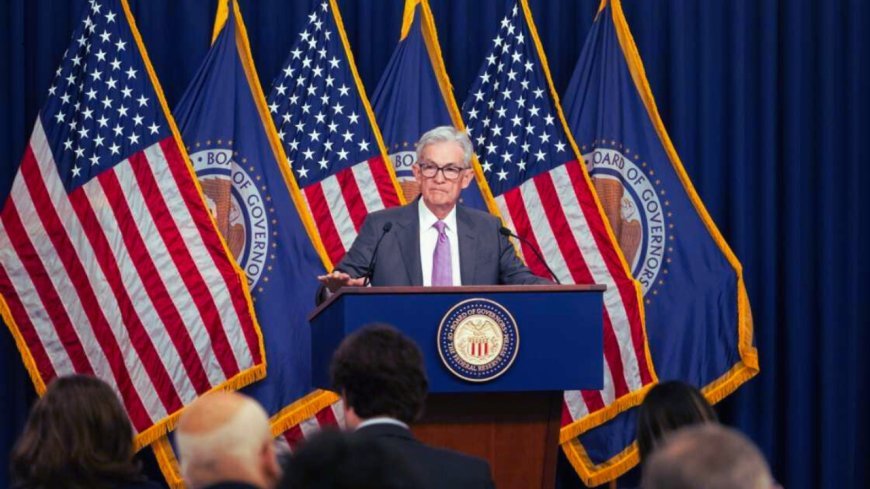
As the Federal Reserve gears up for its latest policy meeting, all eyes are on a pivotal moment: the anticipated first interest rate cut of 2025. This isn’t just about a number on a chart—it’s a signal that could ripple through your savings accounts, mortgage payments, credit card balances, and investment portfolios. With a softening job market, persistent inflation, and even political winds influencing the conversation, understanding the Fed’s moves is key to staying ahead of your financial game.
The Fed’s Big Decision: A Quarter-Point Cut on the Horizon?
The Federal Reserve is widely expected to implement its first rate cut of 2025 this week, with most analysts pointing to a modest 25 basis point (0.25%) reduction. This would lower the benchmark federal funds rate from its current range of 4.25%-4.5%, where it’s held steady for much of the year. It’s the first easing since December 2024, a response to cooling inflation and emerging cracks in the labor market.
Why now? Recent data shows job growth slowing and unemployment ticking up, even as prices remain “sticky” in areas like housing and services. The Fed’s dual mandate—controlling inflation while supporting employment—means they’re walking a tightrope. A smaller cut like this one strikes a balance: it eases some pressure on borrowers without fully unleashing the economy.
For you, this could mean:
• Lower borrowing costs: Variable-rate loans, like credit cards or home equity lines, might see immediate relief. If you’re shopping for a mortgage, locking in now could capture these gains.
• Savings yields dip: High-yield savings accounts and CDs could see rates soften, so consider laddering your CDs to lock in current returns.
• Investment boost: Stocks, especially in rate-sensitive sectors like real estate and tech, often rally on cut news. But volatility could spike if the cut signals deeper economic worries.
Decoding the Dot Plot: Clues to Future Cuts
A key highlight of this week’s announcement will be the updated “dot plot”—the Fed’s quarterly chart plotting officials’ projections for future rates. The June version forecasted just two cuts for 2025, reflecting caution around the Trump administration’s policies on tariffs, immigration, and taxes, which could stoke inflation or disrupt growth.
Will they stick to that script? With two more meetings in late October and early December, the plot could hint at one additional cut—or more if labor data weakens further. Fed watchers are split: some see aggressive easing to combat a potential slowdown, while others warn of inflation rebound risks.
Pro Tip: Keep an eye on the median dots (the consensus view). If they shift lower, it could greenlight more cuts in 2026, benefiting long-term savers and investors.
Politics Enters the Picture: Trump, Powell, and Fed Independence
Adding fuel to the fire is mounting White House pressure. President Trump has openly criticized Fed Chair Jerome Powell, dubbing him “Too Late” for not slashing rates sooner. Recently, Trump successfully placed economic adviser Stephen Miran on the Fed board, while a federal court blocked efforts to oust Governor Lisa Cook. This political maneuvering raises questions about the central bank’s independence—a cornerstone of sound monetary policy.
Former Cleveland Fed President Loretta Mester, speaking on the tensions, noted she’s “not convinced” even multiple cuts will ease the spotlight. “The president has stated that he wants to get a majority of his people on the board and wants to bring down interest rates pretty aggressively,” she said. “He doesn’t seem to care that much about monetary policy being independent and insulated from short-run political considerations.”
Mester still expects this week’s cut to cap at 25 basis points, emphasizing the Fed’s commitment to stability. “A smaller cut lessens the degree of restrictiveness, but it’s still restrictive and puts downward pressure on the inflation part of the mandate, while also taking out some insurance on the labor side,” she explained.
For everyday folks, this drama underscores a timeless lesson: Don’t let headlines dictate your moves. Base decisions on your personal financial goals, not D.C. drama.
How This Affects Your Wallet: Actionable Steps
The Fed’s decision isn’t abstract—it’s personal. Here’s how to navigate it:
• If you’re in debt: Prioritize high-interest credit cards. A rate cut could lower your APRs, but pay down balances aggressively now to build momentum.
• Homebuyers or refinancers: Monitor mortgage rates closely. A 0.25% Fed cut often translates to 0.125%-0.25% drops in 30-year fixed rates—potentially saving thousands over the loan term.
• Retirees and savers: Shift some cash from low-yield accounts to bonds or dividend stocks if yields fall further. Diversify to weather uncertainty.
• Investors: Review your portfolio’s rate sensitivity. ETFs tracking the S&P 500 could benefit, but consider hedging with Treasuries if recession fears grow.
Quick Checklist:
• Check your credit score today—better scores unlock the best post-cut rates.
• Run the numbers on refinancing your mortgage using online calculators.
• Set up alerts for Fed announcements to stay informed without the noise.
The Bottom Line: Prepare for More, But Stay Flexible
This week’s rate cut is a welcome breather, but the real story is the path ahead. If the dot plot signals sustained easing, it could fuel economic recovery—and your financial plans. Yet with inflation lurking and political crosswinds, flexibility is your best ally.
At FinanceMastering.com, we believe knowledge is your greatest asset. Bookmark this page for updates post-meeting, and dive into our Investing section for more on navigating volatile markets. What’s your take—bullish on cuts or bracing for bumps? Share in the comments below.
What's Your Reaction?
 Like
0
Like
0
 Dislike
0
Dislike
0
 Love
0
Love
0
 Funny
0
Funny
0
 Wow
0
Wow
0
 Sad
0
Sad
0
 Angry
0
Angry
0

Finance Mastering delivers practical insights on personal finance, budgeting, investing, and money management. Whether you're just starting out or looking to grow your wealth, we make financial freedom achievable.













Comments (0)