

Top Beginner ETFs for 2026: Building a Simple, Diversified Portfolio
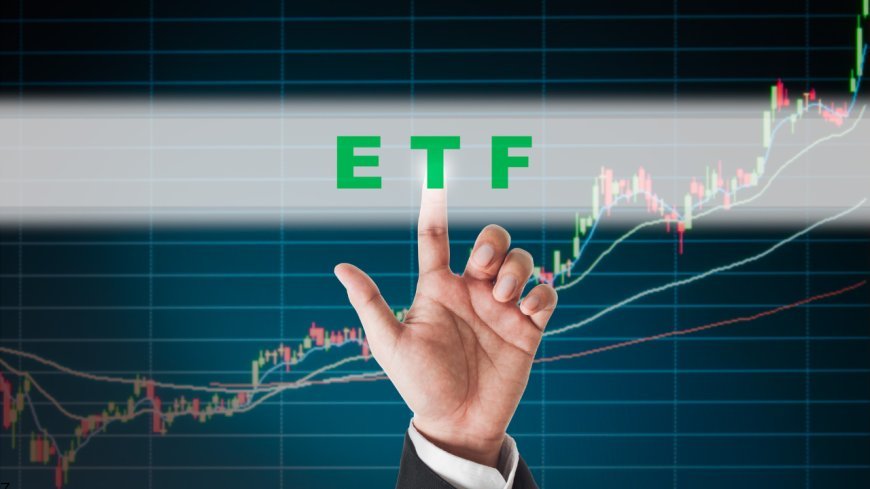
Exchange-traded funds have become the backbone of modern investing, especially for beginners looking to build wealth without constantly watching markets. In 2026, ETFs remain one of the simplest and most cost-effective ways to gain diversification, but the environment has changed. After years of inflation shocks, interest rate cycles, and shifting equity leadership, investors can no longer rely on a single “set it and forget it” fund without understanding how the pieces fit together.
For beginners, the goal isn’t to predict the next market move. It’s to build a resilient portfolio that can adapt to changing conditions while keeping costs, complexity, and emotional decision-making under control.
Why ETFs Still Make Sense for Beginners in 2026
ETFs offer instant diversification, transparent pricing, and extremely low expense ratios compared to traditional mutual funds. In a market where individual stock volatility remains elevated and sector leadership rotates quickly, broad exposure matters more than ever.
After the bond and equity shifts of 2024 and 2025, many investors learned that diversification is not just about owning different assets—it’s about owning assets that respond differently to economic conditions. ETFs allow beginners to achieve that balance without needing deep market expertise or constant portfolio adjustments.
Core Equity ETF: Total U.S. Stock Market
For most beginners, a total U.S. stock market ETF should form the foundation of the portfolio. Funds that track the entire U.S. market provide exposure to large, mid, and small companies across every major sector, reducing reliance on a handful of mega-cap stocks.
In 2026, this approach remains effective because it captures long-term economic growth while naturally adapting to shifts in market leadership. When technology dominates, it benefits. When industrials, healthcare, or energy take the lead, the fund adjusts automatically. The key advantage is simplicity—one fund, thousands of companies, and minimal maintenance.
International Equity ETF: Global Diversification Beyond the U.S.
While U.S. markets continue to play a central role, relying solely on domestic stocks exposes investors to concentration risk. International ETFs provide access to developed and emerging markets, offering diversification across currencies, economies, and political systems.
After recent cycles where U.S. stocks outperformed for extended periods, international markets may play a larger role in future returns. For beginners, a broad international ETF reduces the temptation to chase specific countries or regions while still capturing global growth opportunities over time.
Bond ETF: Stability After Rate Volatility
The sharp interest rate movements of recent years reminded investors that bonds are not risk-free—but they still play a critical role. In 2026, bond ETFs offer income, stability, and protection against equity downturns when used correctly.
Beginner investors should focus on broad, high-quality bond ETFs rather than narrowly targeting long-duration or speculative debt. These funds help smooth portfolio volatility and provide a source of liquidity during market stress, making it easier to stay invested through downturns rather than panic-selling stocks.
Inflation and Real Asset Exposure ETF
Inflation may no longer dominate headlines, but it remains a long-term risk that can quietly erode purchasing power. ETFs focused on real assets, such as inflation-protected securities or diversified commodity exposure, can provide an additional layer of protection.
For beginners, this allocation doesn’t need to be large. Even a modest exposure can help balance a portfolio during periods when traditional stocks and bonds struggle simultaneously, as seen in recent years.
Simple Rotation Strategy for Post-2025 Markets
Rather than frequent trading, beginners can benefit from a slow, rules-based rotation approach. After the equity and bond shifts of 2025, the emphasis in 2026 is on balance, not timing.
A simple strategy involves maintaining a core allocation while gradually adjusting weights once or twice per year. If equities significantly outperform and grow too large a share of the portfolio, rebalancing into bonds or real assets restores discipline. If bonds rally strongly and interest rates stabilize, modestly increasing equity exposure can maintain growth potential.
This type of rotation is not about predicting the future—it’s about preventing risk from quietly accumulating.
Sample Beginner ETF Portfolio for 2026
A simple beginner portfolio might include a majority allocation to a total U.S. stock market ETF, complemented by international equities for global balance. A meaningful portion in high-quality bond ETFs adds stability, while a smaller allocation to inflation-protected or real asset ETFs provides diversification against unexpected economic shifts.
The strength of this structure lies in its flexibility. It can be adjusted over time as income grows, risk tolerance changes, or retirement approaches, without requiring a complete overhaul.
Keeping Costs and Behavior in Check
Low expense ratios matter, but behavior matters more. Many beginner portfolios fail not because of poor ETF selection, but because investors overreact to headlines, chase performance, or abandon their plan during market stress.
Choosing a small number of broad, low-cost ETFs reduces complexity and temptation. Reinvesting dividends, contributing consistently, and reviewing the portfolio annually—not daily—are often more impactful than finding the “perfect” fund.
The Bottom Line
In 2026, successful beginner investing is less about picking winners and more about building a portfolio that can endure uncertainty. Low-cost ETFs remain one of the best tools for achieving that goal, especially when combined with simple rotation and disciplined rebalancing.
A well-constructed ETF portfolio doesn’t eliminate risk, but it makes risk manageable. For beginners, that balance is what turns investing from a source of stress into a long-term wealth-building habit.
What's Your Reaction?
 Like
0
Like
0
 Dislike
0
Dislike
0
 Love
0
Love
0
 Funny
0
Funny
0
 Wow
0
Wow
0
 Sad
0
Sad
0
 Angry
0
Angry
0

Finance Mastering delivers practical insights on personal finance, budgeting, investing, and money management. Whether you're just starting out or looking to grow your wealth, we make financial freedom achievable.














Comments (0)