

How to Check and Understand Your Credit Report
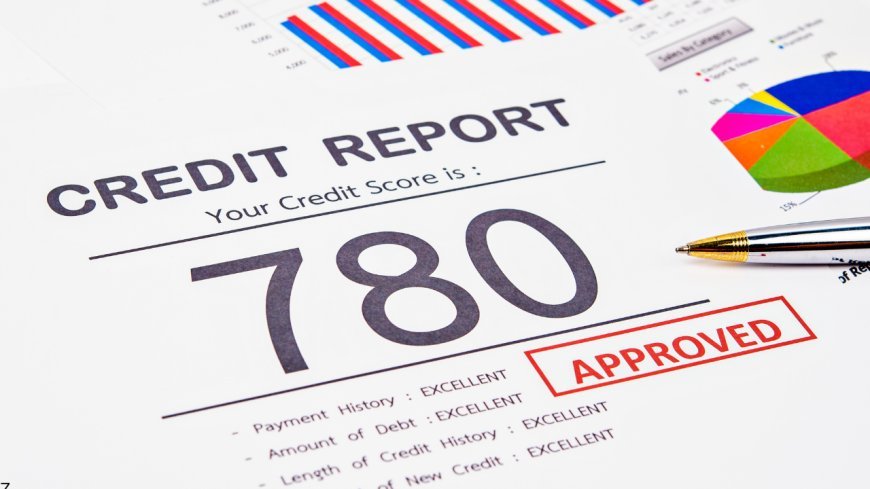
Your credit report stands as one of the most critical documents shaping your financial life, influencing everything from loan approvals and interest rates to job applications and insurance premiums. Yet far too many people have never reviewed theirs or fully grasp what it reveals. This guide explains exactly how to obtain, interpret, and use your credit report to protect and strengthen your financial standing.
Accessing Your Free Credit Reports: The Official and Secure Way
Under federal law, you're entitled to one free credit report every 12 months from each of the three major nationwide credit bureaus: Experian, Equifax, and TransUnion. The sole authorized source for these free reports is AnnualCreditReport.com—the government-mandated central site that's completely free with no hidden fees or upsells.
Avoid third-party websites that mimic the official site, charge for access, or push unnecessary paid services. In addition, the three bureaus have made free weekly online credit reports permanently available from each bureau at AnnualCreditReport.com. This means you can check your report from Experian, Equifax, and TransUnion once per week at no cost. Separately, through 2026, U.S. consumers can request up to six free Equifax reports per year (beyond the standard annual one) directly via AnnualCreditReport.com or Equifax channels.
Request all three reports at once for a complete snapshot, or stagger them throughout the year to maintain ongoing visibility.
The Four Core Sections of Your Credit Report
Credit reports from the major bureaus follow a similar structure, though formatting varies slightly:
- Personal Information — This includes your full name, current and past addresses, phone numbers, Social Security number, date of birth, and employment details. This section verifies your identity and does not directly affect your credit score. Scrutinize it closely for inaccuracies, which might signal identity theft, mixed files with someone else's data, or simple clerical errors.
- Accounts (or Credit Accounts) — The heart of the report, listing all credit accounts such as credit cards, auto loans, mortgages, student loans, and other debts. For each, you'll find the creditor's name, account type, opening date, credit limit or original loan amount, current balance, payment history (including any late payments), and current status (open, closed, in collections, etc.). Payment history is especially vital—it accounts for about 35% of your FICO score.
- Public Records — This covers major negative events like bankruptcies, tax liens, civil judgments, or foreclosures. Most derogatory public records and collections remain on your report for seven years from the date of first delinquency (late payments, collections, foreclosures, etc.), though Chapter 7 bankruptcies can stay for up to 10 years. These items can severely damage your score but fade in impact as they age.
- Inquiries — A record of everyone who has accessed your credit report. Hard inquiries (triggered by credit applications you initiate) appear here and can slightly lower your score for up to 12 months (they stay visible for two years). Soft inquiries (from pre-approvals, background checks, or your own requests) do not affect your score and often aren't shown to lenders.
Spotting and Fixing Common Errors
Errors on credit reports are surprisingly common and can unfairly drag down your score or signal fraud. Key red flags to watch for include:
- Incorrect personal details (wrong name spelling, outdated addresses, or employment mismatches).
- Accounts that aren't yours (potential identity theft).
- Wrong balances, payment statuses, or dates on legitimate accounts.
- Outdated or inaccurate negative items that should have expired.
If you discover any inaccuracies, act quickly: File a dispute directly with the bureau reporting the error (Experian, Equifax, or TransUnion). Disputes can be submitted online (usually fastest), by phone, or by mail. Include clear evidence—such as account statements, payment receipts, or identity documents—to support your claim. By law, the bureau must investigate within 30 days (often faster) and notify you of the results. If the information is verified as incorrect, it gets removed or corrected across reports.
Smart Monitoring Strategies for Ongoing Protection
Regular review is your best defense against errors, fraud, and identity theft. A practical approach: Stagger your free annual (or weekly) reports—pull one bureau's report every four months to cover all three throughout the year without gaps.
For even more frequent oversight, leverage free built-in options:
- Many credit card issuers and banks provide complimentary credit score monitoring and alerts as a perk.
- Services like Credit Karma (for Equifax and TransUnion VantageScores), CreditWise from Capital One, or TransUnion's free tools offer ongoing access to scores and basic alerts at no cost.
If you've experienced identity theft or want premium features (such as three-bureau monitoring, dark web scans, or instant alerts), consider reputable paid services—but start with the abundant free resources available in 2026.
By routinely checking your reports, disputing inaccuracies promptly, and staying vigilant, you gain real control over one of the biggest factors in your financial health. A clean, accurate credit report opens doors to better rates, higher approvals, and greater peace of mind.
What's Your Reaction?
 Like
0
Like
0
 Dislike
0
Dislike
0
 Love
0
Love
0
 Funny
0
Funny
0
 Wow
0
Wow
0
 Sad
0
Sad
0
 Angry
0
Angry
0

Shula is an experienced content writer with a strong background in developing engaging and informative articles. She has written across diverse topics, including personal finance, lifestyle, food, and travel. With a clear and adaptable writing style, Shula brings value by making complex subjects accessible to a broad audience.















Comments (0)