

Building a Bulletproof Emergency Fund in 2026:
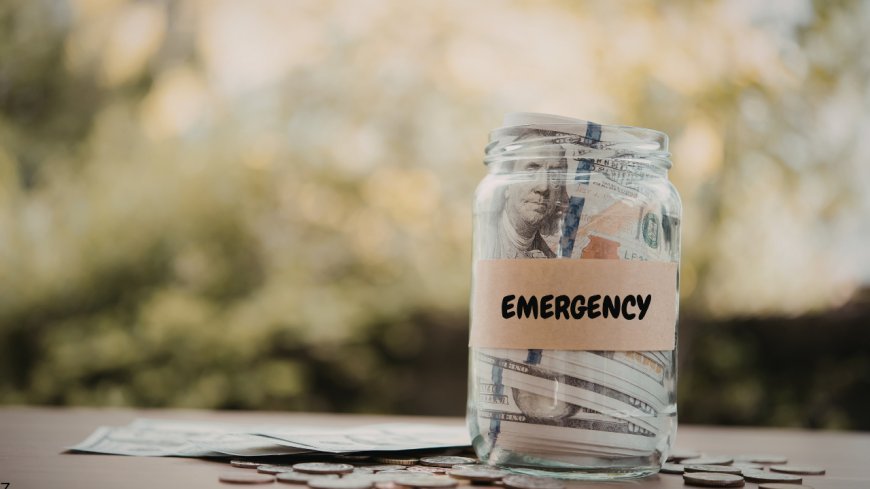
An emergency fund acts as your financial safety net—ready cash for unexpected events like job loss, medical bills, car repairs, or home issues—without relying on high-interest debt or derailing long-term goals. In 2026, with persistent economic uncertainty, moderate inflation, and solid (but not sky-high) savings yields, building or strengthening this fund remains a top priority. Recent surveys show many Americans struggle: median emergency savings hover around $5,000 (down from prior years), with nearly half unable to cover a $1,000 surprise expense. Experts consistently recommend aiming for three to six months of essential living expenses as the target, with adjustments based on your situation.
Sizing Your Emergency Fund: How Much Is "Bulletproof"?
The standard guideline is three to six months of essential monthly expenses (not gross income)—covering housing, utilities, food, transportation, minimum debt payments, insurance, and basic needs. For example, if your core expenses total $4,000/month, target $12,000–$24,000.
Factors to customize the size:
- Stable job/single household: Three months often suffices for predictable income.
- Variable income (freelance, commission-based, self-employed): Aim for six to nine months (or even 12) to buffer irregular cash flow.
- Dependents or high-risk career: Lean toward six months or more—family obligations or industries prone to layoffs increase vulnerability.
- Other safety nets: If you have strong disability insurance, a partner with steady income, or access to low-cost credit, three months might feel secure; otherwise, build higher.
Start smaller if needed: A $1,000–$2,000 starter fund covers minor emergencies and builds momentum. Surveys indicate many feel comfortable with at least three months (85% say so), but only about 46% actually have it—making gradual progress key in 2026's environment.
Calculate yours: List monthly essentials, multiply by 3–6, and adjust for your risk profile. Tools like free online calculators from NerdWallet or Vanguard can help pinpoint a realistic goal.
Funding Strategies: Practical Ways to Build It Fast and Sustainably
Building an emergency fund doesn't require a windfall—consistent, automated habits deliver results over time.
Proven approaches:
- Automate transfers — Set up direct deposit splits (e.g., 10–20% of each paycheck) or recurring transfers from checking to savings right after payday. Treat it like a non-negotiable bill.
- Start small and snowball — Begin with $25–$100/week or per paycheck. Even modest amounts compound: $50/week adds $2,600/year before interest.
- Use windfalls wisely — Direct tax refunds, bonuses, side gig earnings, or "found money" (e.g., cash-back rewards) straight to the fund instead of spending.
- Cut non-essentials temporarily — Trim dining out, subscriptions, or impulse buys for 3–6 months to accelerate growth—many clear a starter fund quickly this way.
- Hybrid with debt payoff — If high-interest debt (>10–15% APR) exists, prioritize minimums while building a small $1,000–$2,000 buffer first (to avoid emergencies forcing more borrowing), then shift extra cash to debt before resuming full fund buildup.
- Micro-challenges — Try "no-spend" weekends, round-up apps (e.g., Acorns or bank features), or selling unused items for quick boosts.
In 2026, with many prioritizing savings amid economic caution, these tactics help overcome common barriers—focus on consistency over perfection for lasting results.
Where to Park It: Safe, Accessible, and Earning Options
The ideal spot balances liquidity (instant or near-instant access), safety (FDIC/NCUA insured up to $250,000 per depositor, per institution, per category), and yield—without risking principal.
Top choices in February 2026:
- High-yield savings accounts (HYSAs) — The go-to for most: Fully liquid (withdraw anytime, though some limit to six/month), FDIC-insured, and earning competitive rates. Current top offers include up to 5.00% APY (e.g., Varo Bank or AdelFi, often with qualifiers like direct deposit), with strong options around 4.00–4.60% from providers like Openbank (4.20%), Climate First Bank (4.21%), Vio Bank, or Bread Savings. These beat the national average (~0.4–0.6%) by a wide margin, letting your fund grow while staying accessible.
- Money market accounts (MMAs) — Similar to HYSAs but sometimes offer check-writing or debit cards for emergencies; rates often comparable (around 4%+ in top cases).
- Short-term/no-penalty CDs — For a portion if rates look set to fall—lock in higher yields (some 4%+ for 3–12 months) with penalty-free early access after a short hold. Avoid standard CDs for the core fund due to penalties.
- Laddering or tiers — Advanced: Keep 1–2 months in a basic HYSA for instant needs, the rest in higher-yield HYSAs or short CDs for better returns while maintaining overall access.
Shop via comparison sites (Bankrate, NerdWallet, Forbes) for no-fee, low-minimum options—many online banks lead in rates. Spread across institutions if exceeding $250,000 for full FDIC coverage.
Quick Tips and Next Steps for a Bulletproof Fund
- Review monthly: Track progress and adjust contributions.
- Avoid temptation: Keep it separate from checking or investment accounts.
- Replenish after use: Treat withdrawals as loans to yourself—repay promptly.
- Red flags: Mixing with daily spending, chasing risky yields (e.g., stocks/crypto for emergencies), or stopping contributions once "enough" feels reached.
A solid emergency fund provides peace of mind amid uncertainty. Start today: Calculate your target, automate a transfer, and open a top HYSA. Even modest beginnings compound into real security—your future self will thank you!
What's Your Reaction?
 Like
0
Like
0
 Dislike
0
Dislike
0
 Love
0
Love
0
 Funny
0
Funny
0
 Wow
0
Wow
0
 Sad
0
Sad
0
 Angry
0
Angry
0

Shula is an experienced content writer with a strong background in developing engaging and informative articles. She has written across diverse topics, including personal finance, lifestyle, food, and travel. With a clear and adaptable writing style, Shula brings value by making complex subjects accessible to a broad audience.
















Comments (0)