

Mortgage Pre-Approval vs. Pre-Qualification: What Lenders Really Look For and How to Strengthen Your Application
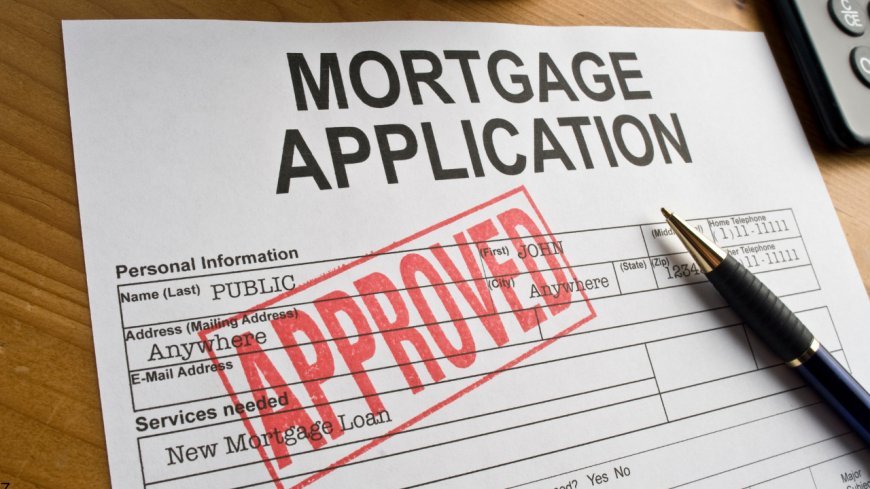
When house hunting in 2026's market—with mortgage rates around 6% and competition still active—understanding pre-qualification versus pre-approval is crucial. These terms are often confused, but they serve different purposes and carry different weight with sellers and agents. Pre-qualification offers a quick, informal estimate of borrowing power, while pre-approval provides a more reliable, conditional commitment based on verified details. Getting pre-approved gives you a serious edge in negotiations, as it signals to sellers you're a committed, vetted buyer ready to close.
Pre-Qualification vs. Pre-Approval: Key Differences and Process
Pre-qualification is a fast, preliminary step that gives you a rough idea of how much you might borrow. You provide basic self-reported info (income, debts, assets, employment), and the lender often runs a soft credit check (which doesn't impact your score). No extensive documentation is required, so you can get a pre-qualification letter or email in minutes—often online or over the phone.
Pre-approval, by contrast, is a deeper, more formal process. It involves submitting a full mortgage application, providing proof documents, and undergoing a hard credit pull (which may temporarily ding your score by a few points). The lender verifies everything and issues a conditional letter stating a specific loan amount, estimated interest rate, and terms—subject to final underwriting, appraisal, and property details. This typically takes 1–3 days (or longer with complex finances) and is far more accurate and credible.
Main differences include:
- Verification level — Pre-qual relies on self-reported data; pre-approval requires proof (pay stubs, tax returns, bank statements).
- Credit check — Soft (pre-qual) vs. hard (pre-approval).
- Reliability — Pre-qual is an estimate; pre-approval is a conditional commitment.
- Impact on home search — Pre-qual helps set expectations; pre-approval strengthens offers in competitive markets.
In 2026, sellers and agents prioritize pre-approved buyers over pre-qualified ones, as it reduces the risk of financing falling through.
What Lenders Really Look For in Pre-Approval
Lenders assess your overall risk and repayment ability through four core areas (often called the "4 Cs": credit, capacity, capital, and collateral—though collateral comes later with the property):
- Credit score and history — The biggest factor. Conventional loans typically require 620+, FHA around 580 (with 3.5% down), VA/USDA often 620+. Lenders scrutinize payment history, utilization (keep under 30%), recent inquiries, and derogatory marks. Higher scores (740+) unlock better rates and terms.
- Debt-to-Income (DTI) ratio — Measures your monthly debt payments against gross income. Front-end DTI (housing costs) ideally under 28–31%; back-end (all debts) under 36–43% (up to 50% in some cases). Lower DTI means more borrowing power.
- Income stability and verification — Steady employment (2+ years preferred), verifiable pay stubs/W-2s/tax returns. Self-employed borrowers need 2 years of tax returns and profit/loss statements. Lenders favor consistent or rising income.
- Assets and reserves — Down payment source (3–20% typical), closing costs (2–5% of loan), and cash reserves (often 2–6 months of payments post-closing). Bank statements prove funds aren't borrowed.
Other checks include employment verification, any red flags (e.g., recent job changes, large unexplained deposits), and overall financial story—predictability and low risk win approval.
How to Strengthen Your Pre-Approval Application
To boost your pre-approval amount, improve terms, or increase approval odds, focus on these actionable steps:
- Improve your credit score — Pay down balances, dispute errors on reports (via AnnualCreditReport.com), avoid new credit applications, and make all payments on time. Even 20–50 point gains can raise your pre-approval limit and lower rates.
- Lower your DTI — Pay off high-interest debt (credit cards first), avoid new loans, and reduce monthly obligations. This directly increases borrowing capacity.
- Boost verifiable income and stability — Gather strong documentation early (recent pay stubs, 2 years tax returns, employer letter if needed). If self-employed, organize profit/loss statements.
- Build assets and down payment — Save more for a larger down payment (20% avoids PMI on conventional loans) and show reserves. Gift funds or down payment assistance programs can help if documented properly.
- Shop multiple lenders — Get pre-approvals from 3–4 within a short window (rates/inquiries count as one if within 14–45 days). Compare offers for the best terms.
- Avoid red flags during process — No big purchases, job changes, or new debt. Keep finances stable from pre-approval through closing.
- Get organized — Have docs ready (ID, income proof, assets, debts) to speed things up and show responsibility.
These steps often raise pre-approval amounts significantly—e.g., lowering DTI or boosting credit can add tens of thousands to your buying power.
Quick Tips and Next Steps
Start with pre-qualification for a baseline, then move to pre-approval from multiple lenders for real leverage. Use tools like Bankrate, NerdWallet, or lender sites to compare. In 2026, pre-approval isn't a guarantee but a strong signal of readiness—pair it with realistic budgeting for a smoother homebuying journey. Contact a lender today to get started; the process is often free and revealing!
What's Your Reaction?
 Like
0
Like
0
 Dislike
0
Dislike
0
 Love
0
Love
0
 Funny
0
Funny
0
 Wow
0
Wow
0
 Sad
0
Sad
0
 Angry
0
Angry
0

Finance Mastering delivers practical insights on personal finance, budgeting, investing, and money management. Whether you're just starting out or looking to grow your wealth, we make financial freedom achievable.















Comments (0)