

Student Loan Forgiveness Programs: Navigating PSLF, IDR Plans, and Tax Implications
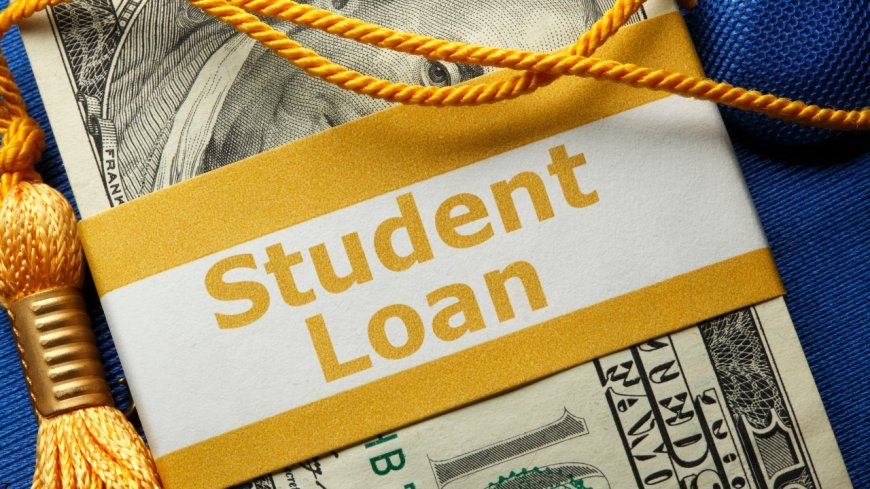
Student loan forgiveness offers significant relief for federal borrowers, but navigating the options requires understanding key programs like Public Service Loan Forgiveness (PSLF), Income-Driven Repayment (IDR) plans, and their tax consequences. In 2026, major changes are underway: the SAVE plan has been phased out or blocked, new repayment structures take effect (especially from July 1, 2026), and certain forgiveness types become taxable again after a temporary exemption expired at the end of 2025. PSLF remains a strong tax-free path for public servants, while IDR forgiveness after 20–25 years may trigger taxes. Always verify your eligibility and current rules through official sources like StudentAid.gov, as policies evolve.
Public Service Loan Forgiveness (PSLF): The Gold Standard for Tax-Free Relief
PSLF forgives the remaining balance on Direct Loans after 120 qualifying monthly payments (10 years) while working full-time for a qualifying employer—typically government organizations or 501(c)(3) nonprofits. Qualifying repayment plans include most IDR plans or the 10-year Standard plan, with payments needing to be on-time and in the required amount.
Key requirements:
- Eligible loans: Direct Loans (or consolidated into Direct Consolidation Loans).
- Employment: Full-time (at least 30 hours/week or meeting employer standards) at a qualifying public service job.
- Process: Submit the PSLF form annually (Employment Certification Form) to track progress, then the final forgiveness application after 120 payments. The servicer (e.g., MOHELA) handles processing.
In 2026, the program remains intact with no major borrower changes yet, though final regulations effective July 1, 2026, introduce employer disqualifications for those with a "substantial illegal purpose" (e.g., certain unlawful activities)—impacting few organizations annually. Parent PLUS loans face restrictions (e.g., limited pathways post-consolidation deadlines), and new borrowers after certain dates may see adjusted eligibility. PSLF forgiveness is explicitly tax-free at the federal level (and often state-level), making it highly attractive for teachers, nurses, government workers, and nonprofit employees. Submit certifications regularly to avoid surprises.
Income-Driven Repayment (IDR) Plans: Affordable Payments with Forgiveness Over Time
IDR plans base monthly payments on income and family size (often 10–20% of discretionary income), with forgiveness of remaining balances after 20–30 years depending on the plan and loan type. Popular options historically include PAYE, IBR, ICR, and the now-defunct SAVE plan (blocked by courts and set to end, with borrowers transitioning).
In 2026:
- Existing IDR plans phase out for new borrowers starting July 1, 2026, replaced by a new Repayment Assistance Plan (RAP) and tiered standard plans—fewer options overall.
- Borrowers in legacy plans (e.g., IBR, PAYE) can continue toward forgiveness, but switching may be needed.
- Forgiveness timelines: 20–25 years for most undergraduate debt, longer for graduate/Parent PLUS.
- Parent PLUS loans have limited IDR access (often ICR only), with consolidation deadlines (e.g., before July 1, 2026) critical to preserve forgiveness paths.
IDR forgiveness provides relief for those not qualifying for PSLF, but track payments carefully—use the Federal Student Aid site for counts. Payment adjustments from prior years (completed in 2024–2025) have boosted many toward faster forgiveness.
Tax Implications: What’s Taxable in 2026 and Beyond
Tax treatment varies by program—crucial for planning.
- PSLF and certain profession-based forgiveness (e.g., Teacher Loan Forgiveness up to $17,500 for low-income educators): Remains tax-free federally, per IRS rules—no income inclusion on forgiven amounts.
- IDR forgiveness (after 20–25+ years): The temporary federal tax exemption (from the American Rescue Plan Act) expired December 31, 2025. Forgiveness in 2026+ is generally treated as taxable income, potentially creating a large bill (the "tax bomb"). For example, $50,000 forgiven could add thousands in taxes depending on your bracket. Some borrowers with backlogged applications may avoid this via special agreements.
- Other discharges (e.g., Total and Permanent Disability, Borrower Defense, Closed School): Often tax-free or with relief; check specifics.
- State taxes: Vary—some states follow federal rules, others may tax forgiven debt.
The IRS may issue a 1099-C for taxable forgiveness ($600+), requiring reporting on your return. Consult a tax professional, as brackets, deductions, and potential insolvency exclusions can mitigate impact. Plan ahead: build savings for taxes if pursuing IDR forgiveness post-2025.
Quick Tips, Red Flags, and Next Steps
- Log into StudentAid.gov regularly for payment counts, forms, and updates.
- Submit PSLF certifications annually—even if not near 120 payments.
- If in SAVE or legacy IDR, explore transitions to maintain progress.
- Red flags: Delaying certifications, missing employer changes, or assuming all forgiveness is tax-free—could lead to surprises.
- Resources: Federal Student Aid site, your loan servicer, or free counseling from nonprofits.
Student loan forgiveness can transform finances, but 2026's changes demand proactive navigation. Focus on PSLF for tax advantages if eligible, or IDR for broader relief—while preparing for potential taxes. Stay informed, document everything, and seek personalized advice to maximize benefits!
What's Your Reaction?
 Like
0
Like
0
 Dislike
0
Dislike
0
 Love
0
Love
0
 Funny
0
Funny
0
 Wow
0
Wow
0
 Sad
0
Sad
0
 Angry
0
Angry
0

James Johnson has 10+ years in fintech. He holds an MBA and an MS in Information Technology, and writes about how AI and personal finance actually meet for everyday investors.














Comments (0)