

Mortgage Preapproval vs. Prequalification: What Buyers Need to Know
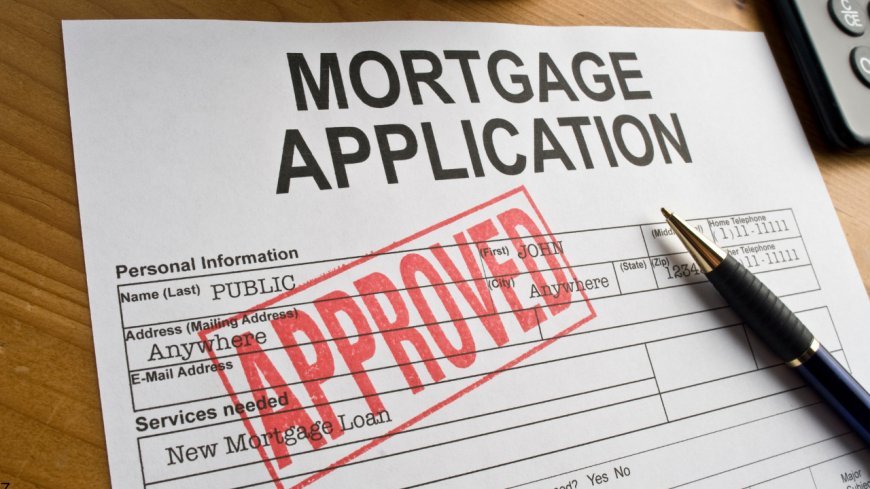
Mortgage prequalification and preapproval are often treated as two clearly different steps. In practice, the labels can be misleading because lenders do not all use the terms in the same way.
Both typically communicate that a lender may be willing to lend up to a stated amount based on assumptions and information available at the time. Neither is a final guarantee. The useful question is not simply what the letter is called—it is how thoroughly the lender reviewed your finances.
What Is Mortgage Prequalification?
Prequalification is commonly an early estimate of how much you might be able to borrow. A lender may ask about income, debts, assets, credit, and the planned down payment. Some processes rely heavily on information provided by the borrower, while others include a credit check or supporting documents.
Because procedures vary, one lender’s prequalification may be more detailed than another lender’s preapproval. Ask exactly what was reviewed before relying on the result.
What Is Mortgage Preapproval?
A preapproval generally indicates that a lender has reviewed financial information and is conditionally willing to lend up to a specified amount. The lender may request pay records, tax documents, bank statements, identification, employment details, debt information, and permission to review credit.
The letter can help establish a home-search price range and show sellers that financing has been discussed. However, the property is not yet known or fully evaluated, and borrower information may need to be updated.
Why the Label Matters Less Than the Process
Buyers sometimes assume that every preapproval is fully verified and every prequalification is only a casual estimate. That is not reliable. When comparing lenders, ask:
- Was my credit reviewed?
- Were my income and assets documented or only stated?
- Were my recurring debts verified?
- Did an underwriter review the file?
- What assumptions were used for taxes, insurance, and interest rate?
- What conditions must be satisfied before final approval?
- How long is the letter valid?
The answers tell you more than the heading printed on the letter.
What a Preapproval Letter Usually Includes
A letter may identify the borrower, lender, maximum loan or purchase amount, loan type, expiration date, and conditions. It may also state that approval depends on acceptable property information, appraisal, title, insurance, and verification that finances have not materially changed.
The maximum amount is not a recommended budget. Your comfortable price range may be lower after accounting for property taxes, insurance, mortgage insurance, association fees, maintenance, utilities, savings, and family expenses.
What Preapproval Does Not Guarantee
Preapproval does not guarantee final financing. A loan can encounter problems if income, employment, credit, debt, assets, documentation, loan terms, or property details change. The home must also meet the lender’s and loan program’s requirements.
For example, an appraisal may not support the agreed price, title issues may appear, insurance may be difficult to obtain, or updated financial information may change underwriting.
How to Prepare
Organizing documents before contacting lenders can make the process smoother. Depending on your income and circumstances, you may need:
- Recent pay statements and employment history
- W-2 forms, tax returns, or business-income records
- Bank and investment statements
- Identification and residence history
- Documentation for debts and recurring obligations
- Explanations or records for large deposits
- Information about down payment and closing funds
Self-employment, commission income, overtime, rental income, or recent job changes may require additional documentation.
Protect Your Approval Before Closing
Keep finances stable after receiving a letter. Avoid opening new accounts, financing large purchases, co-signing debt, moving money without records, or changing employment without first discussing the potential effect with your lender.
Continue paying every bill on time and respond promptly to document requests. A delayed response can slow underwriting or closing.
Should You Get More Than One Preapproval?
Talking with multiple lenders can help you compare service, responsiveness, loan options, and the documentation process. A preapproval does not necessarily lock you into a lender.
Once you have a property and submit the information needed for formal offers, compare Loan Estimates using the same loan amount, down payment, rate type, and lock assumptions. Review interest rate, annual percentage rate, points, lender credits, mortgage insurance, fees, projected payment, and cash to close.
Questions to Ask Before Relying on a Letter
- Which documents and financial details were verified?
- Was the file reviewed by an underwriter?
- What interest rate and payment assumptions were used?
- What is the maximum purchase price versus loan amount?
- When does the letter expire?
- What changes must I report?
- What property or loan conditions remain?
The Bottom Line
Prequalification and preapproval can both be useful, but the lender’s process is more important than the terminology. Ask what was verified, understand the assumptions, and remember that the letter is conditional.
Use it as a planning and offer tool—not as permission to spend the maximum. Keep your finances stable, compare formal offers, and choose a payment that fits your real household budget.
This article provides general educational information and is not individualized financial, legal, tax, or real estate advice. Mortgage processes vary by lender, borrower, loan program, property, and location.
Frequently Asked Questions
What's Your Reaction?
 Like
0
Like
0
 Dislike
0
Dislike
0
 Love
0
Love
0
 Funny
0
Funny
0
 Wow
0
Wow
0
 Sad
0
Sad
0
 Angry
0
Angry
0

Passionate about breaking down complex finance-related concepts into simple terms to help everyday people.















Comments (0)