

How to Build an Emergency Fund in 2026 Without Killing Your Budget
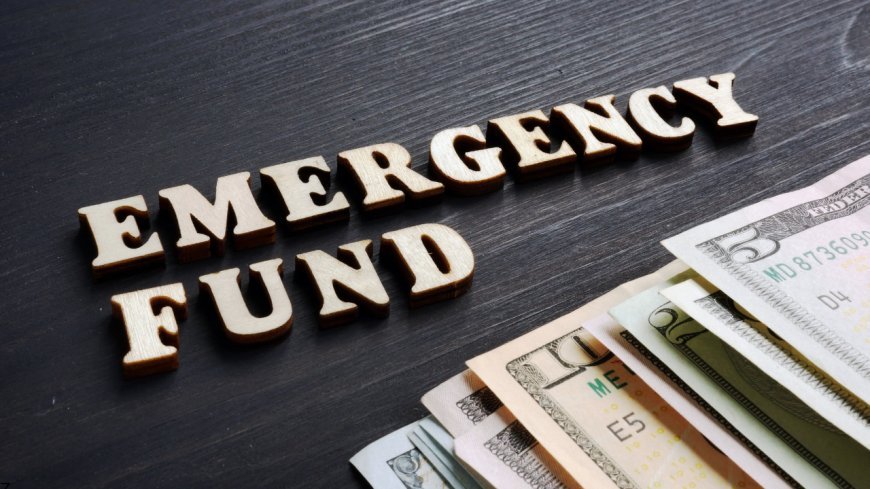
An emergency fund is not a test of willpower. It is a cash buffer that gives you choices when life gets expensive without warning.
Start with a target that fits your life
The familiar advice is to save three to six months of essential expenses. Treat it as a range, not a universal starting line. A person with stable salary income and low fixed costs may be comfortable closer to three months. A household with one income, dependents, irregular commissions, or a specialized job may reasonably aim for six months or more.
Begin with a starter buffer. For many people, $500 to $1,000 is enough to keep a minor repair from landing on a credit card. If essential expenses are $3,200 per month, three months is $9,600 and six months is $19,200. Break the total into milestones: $1,000, one month, three months, and finally your full target.
Use necessities for the calculation, not lifestyle spending. Cover housing, utilities, groceries, transportation, insurance, minimum debt payments, medication, childcare, and other bills you must keep paying. Restaurant meals, streaming subscriptions, travel, and extra debt payments can usually pause during a disruption.
Build an honest essential-expense number
Review the last two or three months of transactions. Mark each expense as essential, adjustable, or optional. Convert irregular necessities to a monthly amount: $1,200 of car insurance twice a year means reserving $200 per month. Also account for seasonal utilities, medical costs, and maintenance that do not appear every month.
Make two versions of the budget: a normal essentials budget and a bare-bones budget. The normal figure helps maintain your life during a short disruption. The bare-bones figure shows how long cash could last after pausing optional services and reducing flexible spending.
Choose the right home for emergency savings
Emergency money has three jobs: it should be safe, accessible, and separate from everyday spending. An FDIC-insured bank savings account or NCUA-insured credit union account is a common choice. A high-yield savings account can pay more interest while keeping the money available, but compare fees, transfer timing, minimums, and insurance coverage.
Keep the account away from checking if seeing the balance would tempt you to spend it. At the same time, do not make access so difficult that you reach for a payday loan or credit card. Avoid putting the core fund in stocks, cryptocurrency, collectibles, or long-term bond funds because those assets can lose value when cash is needed.
Give the account a clear name such as Emergency only. A genuine emergency is urgent, necessary, and unplanned, such as a job interruption, essential vehicle repair, a health expense, or a major home repair. A sale, vacation, routine annual bill, or gift is not an emergency simply because it is inconvenient.
Emergency savings versus debt: use an order of operations
The choice is rarely save everything first or pay every debt first. Contribute enough to a workplace retirement plan to capture an available employer match. Next, build a starter buffer so a small shock does not send you back to a card.
After the starter buffer, direct extra money toward very high-interest credit cards while continuing a small automatic savings transfer. Once expensive debt is controlled, grow the fund toward one month of essentials, then toward three to six months. Keep making minimum payments on every account and never empty the emergency fund to make a mathematically perfect debt payoff.
Consider the interest-rate gap. Paying down a card charging 29% is a guaranteed return that a savings account is unlikely to match. But a low-rate student loan and a thin cash balance may justify saving more first. If a promotional rate ends soon, put the expiration date in the plan. A known layoff risk or large deductible can justify prioritizing cash.
Make the monthly contribution realistic
Pick a number you can repeat in an ordinary month, not the amount you could save during a perfect month. If $300 would cause an overdraft, start with $50. A $50 monthly contribution becomes $600 in a year before interest and creates a habit that can grow. When you receive a raise, refund, bonus, cash gift, or payment from selling unused items, send a defined portion to the fund.
Automate the transfer for the day after payday. If paid twice each month, $125 per paycheck builds $3,000 over a year. If income varies, automate a small floor and add a percentage of each payment above your minimum. Freelancers can transfer 5% to 10% of each client payment, then review the amount at month end. Keep tax money and business reserves in separate accounts.
When the budget is tight, look for recurring savings rather than relying only on deprivation. Compare insurance costs, cancel forgotten subscriptions, request a lower internet rate, plan grocery staples, or refinance only when the full costs make sense. Send half of a recurring saving to the fund and keep half to make the change feel worthwhile.
A practical 90-day starter plan
Days 1 to 7: Find your baseline. Download recent transactions and calculate normal and bare-bones essentials. List insurance deductibles, job benefits, available paid leave, and likely household risks. Open or designate an insured savings account. Set a starter target and write down what qualifies as an emergency.
Days 8 to 30: Create momentum. Set the first automatic transfer, even if it is $25 per paycheck. Pause or redirect one low-value recurring charge. Put any small windfall into the fund. At month end, check whether the amount cleared comfortably and adjust it before the next payday.
Days 31 to 60: Direct the surplus. Review the first month of real spending. Increase the transfer only if the budget can support it. Apply a planned share of a refund, bonus, or extra shift to the account. If high-interest debt is present, keep the starter buffer intact and send the next available dollars to the highest-rate balance.
Days 61 to 90: Stress-test the plan. Ask whether the budget would work during a busy or expensive month. If the transfer causes a shortfall, lower it rather than abandoning automation. Update the essentials number if rent, insurance, childcare, or medication changed. Set a quarterly check-in to update the target.
Plan for irregular income and shared households
If pay varies, build the first target from the lowest dependable monthly income. Keep a cash-flow calendar showing when money arrives and when large bills are due. In a strong month, top up the emergency account; in a weak month, reduce optional transfers before missing a required bill. Freelancers should keep tax money and operating cash separate from personal emergency savings.
For a household, agree on the definition of an emergency and who can access the account. Divide responsibility by task: one person can review insurance and benefits while another tracks transfers and bills. If you support relatives, consider a separate family-help line in the budget so every request does not automatically consume the reserve.
Use the fund without guilt, then refill it
Using the fund for a real emergency means the system worked. Pause optional goals if needed, document what happened, and refill the account in stages. You might temporarily redirect a vacation contribution, a debt payment, or a portion of overtime income. Do not borrow from the fund for a planned bill unless you have decided that it truly belongs there.
After an emergency, ask whether insurance, a sinking fund, or a different target would make the next version easier. Review the account after a raise, move, marriage, divorce, new child, job change, or change in health coverage. The right balance is allowed to change as your risks change.
When the target is not enough
A three-month target is a starting framework, not a guarantee. Revisit it after a major life change. A new baby, a second income ending, a move to a higher-cost city, a chronic health need, or the loss of paid leave can raise the required reserve. If your job is seasonal or your industry is contracting, build cash before increasing optional investing.
Separate predictable costs from true emergencies. A roof replacement you have been postponing, annual vehicle registration, holiday gifts, and school fees should have sinking funds with their own monthly contributions. This separation keeps the emergency account available for urgent events.
Simple examples to guide the math
Suppose take-home pay is $5,400 and essential bills are $3,000. A starter transfer of $150 each month builds $1,800 in a year. If a tax refund adds $900, the fund reaches $2,700 without making the monthly budget painful. A household with $4,200 of essentials might choose a $12,600 three-month goal, then pause at one month while paying down a 24% card. A household with variable income might keep six months of bare-bones costs because replacing income may take longer.
The arithmetic is less important than the decision rule. Set the first transfer, observe the effect on cash flow, and adjust with evidence. If the transfer leaves you short before payday, reduce it. If the account grows comfortably for three months, increase it by a small amount. A plan that responds to real spending is more useful than a spreadsheet based on ideal behavior.
Emergency-fund checklist
- Calculate normal and bare-bones essential expenses.
- Choose a starter target and a three-to-six-month range.
- Keep the money in an insured, accessible savings account.
- Name the emergencies the fund is meant to cover.
- Automate a sustainable transfer after payday.
- Capture employer matches while paying every debt minimum.
- Attack high-interest debt without draining the cash buffer.
- Review the target quarterly and after major life changes.
- Refill the account after a genuine emergency.
Before you change the transfer, check the last month of spending and the next month of known bills. Before you use the fund, ask whether the expense is urgent, necessary, and unplanned. After you use it, write down the amount and the refill date. These three small pauses prevent a good system from becoming another source of stress.
Start with the next payday, not with a perfect future budget. Even a small separate balance can turn a surprise from a crisis into a problem you can solve. The point is not to predict every problem; it is to give yourself room to respond.
Keep the habit visible and flexible
Review the balance once a month, but do not watch it every day. Record the current balance, the next milestone, and the transfer amount in the same place as your budget. When a pay raise arrives, decide in advance whether the transfer rises by a fixed amount or a percentage. When a difficult month arrives, reduce the transfer deliberately and resume it when cash flow stabilizes. This is not failure; it is maintenance.
Do not compare your balance with someone else’s. A consistent contribution is more valuable than an ambitious plan that collapses after two weeks. The strongest emergency fund is supported by an ordinary routine, clear boundaries, and a quarterly review. Build it one decision at a time, and let the plan grow with your life.
Frequently Asked Questions
What's Your Reaction?
 Like
0
Like
0
 Dislike
0
Dislike
0
 Love
0
Love
0
 Funny
0
Funny
0
 Wow
0
Wow
0
 Sad
0
Sad
0
 Angry
0
Angry
0

Shula is an experienced content writer with a strong background in developing engaging and informative articles. She has written across diverse topics, including personal finance, lifestyle, food, and travel. With a clear and adaptable writing style, Shula brings value by making complex subjects accessible to a broad audience.















Comments (0)