

First-Time Homebuyer's Complete Guide for 2026: From Pre-Approval to Closing
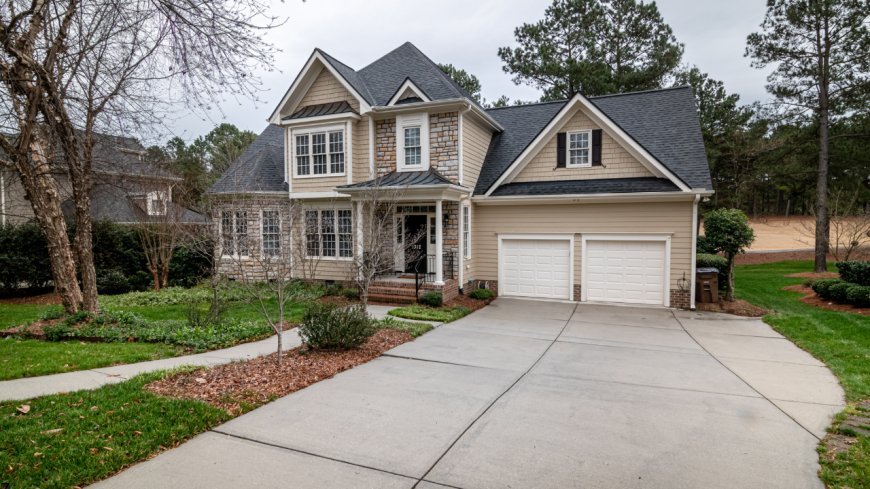
Buying your first home is exciting, terrifying, and full of terminology nobody warned you about. Debt-to-income ratios. Escrow accounts. Earnest money. Title insurance. Points. If you've never done this before, the entire process can feel like a foreign language spoken at high speed while a clock ticks.
This guide won't overwhelm you with every possible scenario. It will give you a clear, sequential roadmap of the homebuying process so you know what's coming, what decisions you'll face, and how to make them wisely.
Start Here: Are You Actually Ready to Buy?
Before anything else, honestly evaluate your financial readiness. Homeownership is wealth-building — but only if you're financially stable enough to handle it. Buying before you're ready can be significantly more damaging than renting a few more years.
Ask yourself:
- Do you have a stable income and job security you expect to continue for at least 2–3 years?
- Do you have 3–6 months of expenses saved in an emergency fund — separate from your down payment?
- Is your debt load manageable? (More on this below)
- Do you plan to stay in the area for at least 5 years? (The general rule of thumb for buying to make financial sense)
- Is your credit in good shape?
If you answered yes to all of these, you're likely in a good position to move forward. If not, address the gaps first. A year of focused financial preparation before buying is far better than buying prematurely and struggling.
Step 1: Check and Improve Your Credit Score
Your credit score is the single most important number in your mortgage application. It determines whether you qualify, and at what interest rate. On a 30-year $350,000 mortgage, the difference between a 700 and a 760 credit score can mean $50,000+ in additional interest over the life of the loan. It's worth taking time to optimize.
Get your free credit reports from AnnualCreditReport.com (the only federally authorized site for free reports). Review all three reports — Equifax, Experian, and TransUnion — for errors, and dispute any inaccuracies you find.
To maximize your score before applying:
- Pay down credit card balances to below 10–20% utilization
- Make sure every account is current — no late payments in recent history
- Don't open new credit accounts or take on new loans in the 6–12 months before applying
- Don't close old accounts (it shortens your credit history)
For most mortgage programs, you'll need a minimum score of 620 (FHA loans are available with 580+). But to get the best conventional loan rates, aim for 740 or higher. If your score needs work, plan 6–12 months of credit improvement before beginning the homebuying process.
Step 2: Calculate What You Can Actually Afford
Lenders will tell you the maximum you qualify for. That is not necessarily what you should spend. Lenders are not responsible for your monthly cash flow — you are.
Two widely used rules of thumb:
The 28/36 Rule: Your monthly housing costs (mortgage payment, property taxes, insurance) should not exceed 28% of your gross monthly income. Your total debt payments (housing + car loans + student loans + credit cards) should not exceed 36% of gross income.
The Comfort Test: After your mortgage payment and all other fixed expenses, can you still save, invest, cover emergencies, and live comfortably? If the math is too tight to breathe, the house is too expensive — regardless of what the bank approved.
Example: If your household grosses $8,000/month, 28% is $2,240. That's the maximum housing cost. If property taxes and insurance add $600/month, your target mortgage payment is around $1,640 — which corresponds to roughly a $270,000 loan at 6.75% interest. That may be higher or lower than you expected, but knowing your real number before you start shopping is essential.
Step 3: Save for Your Down Payment and Closing Costs
Most people know they need a down payment. Many don't realize closing costs are an additional significant expense that must be paid upfront.
Down payment: The common belief that you need 20% down is outdated for first-time buyers. Options include:
- Conventional loans: As low as 3% down for first-time buyers (though below 20% requires PMI — private mortgage insurance)
- FHA loans: 3.5% down with a 580+ credit score; 10% down with 500–579
- VA loans: 0% down for eligible veterans and active-duty military
- USDA loans: 0% down for properties in eligible rural areas
A smaller down payment means a larger loan, higher monthly payment, and PMI costs (typically 0.5–1.5% of the loan annually until you reach 20% equity). Weigh the cost of PMI against the benefit of buying sooner with less saved.
Closing costs: These are paid at the time of closing and typically run 2–5% of the purchase price. On a $350,000 home, expect $7,000–$17,500 in closing costs. They include lender fees, title insurance, attorney fees, appraisal, inspection, and prepaid items (homeowner's insurance, property tax escrow).
Your lender is required to provide a Loan Estimate within 3 business days of your application, which breaks down all expected closing costs. Review it carefully and compare between lenders — fees can vary significantly.
Some closing costs can be negotiated or rolled into the loan, but rolled-in costs mean you're paying interest on them over the life of the loan. Ask your lender about seller concessions — in some markets, sellers will contribute toward closing costs to close the deal faster.
Step 4: Get Pre-Approved (Not Just Pre-Qualified)
These two terms sound similar but are very different, and the distinction matters.
Pre-qualification is an informal estimate based on self-reported information. It takes minutes and means almost nothing to a serious seller.
Pre-approval is a formal process where the lender verifies your income, assets, credit, and employment. They provide a written letter confirming how much they're willing to lend you. This is what sellers and real estate agents take seriously. In competitive markets, you won't get your offers considered without it.
To get pre-approved, you'll typically need:
- 2 years of W-2s or tax returns (self-employed: 2 years of tax returns)
- Recent pay stubs (last 30 days)
- 2–3 months of bank statements
- Government-issued ID
- Information on all existing debts
Apply with 2–3 lenders to compare rates and fees. Multiple mortgage inquiries within a 14–45 day window are treated as a single inquiry by the credit bureaus, so shopping around doesn't hurt your credit score.
Step 5: Find a Real Estate Agent
As a buyer, your real estate agent is typically free — their commission is paid by the seller. But note: as of August 2024, commission structures changed following the NAR settlement. Buyers may now be asked to sign a buyer's representation agreement outlining their agent's compensation before touring homes. Understand this agreement before signing.
Choose an agent who:
- Knows the local market well (years of experience in the specific neighborhoods you're targeting)
- Communicates proactively — responds quickly and explains things clearly
- Has strong negotiation skills and references from recent buyers
- Is not pressuring you to buy faster or spend more than you're comfortable with
Interview 2–3 agents before committing. This relationship matters — you'll be working closely with this person during one of the most important financial transactions of your life.
Step 6: Search for Homes and Make an Offer
Once pre-approved and working with an agent, you can begin actively searching. Set clear criteria: location, size, must-haves, nice-to-haves, and non-negotiables. Be prepared to compromise on some things — the perfect home at the perfect price in the perfect location rarely exists.
When you find a home you want to make an offer on, your agent will help you determine a competitive offer price based on comparable recent sales (comps) in the area. Your offer will include:
- Offer price
- Earnest money deposit (typically 1–3% of purchase price, paid to show good faith; applied toward your closing costs)
- Contingencies (inspection, financing, appraisal)
- Proposed closing date
- Any requests for seller concessions
Never waive your inspection contingency — this protects you from buying a home with hidden major defects. In some hot markets, buyers feel pressure to waive it to be competitive. The risk is not worth it.
Step 7: The Inspection, Appraisal, and Underwriting Process
After your offer is accepted, several things happen simultaneously:
Home inspection: Hire your own independent inspector (not one recommended by the seller's agent) to evaluate the property's condition. Expect to pay $300–$600. The inspector will check the roof, foundation, HVAC, plumbing, electrical, and more. You'll receive a detailed report. Major issues give you leverage to negotiate repairs or a price reduction.
Appraisal: Your lender will order an independent appraisal to confirm the home is worth what you're paying. If the appraisal comes in lower than the purchase price, you'll need to either renegotiate, make up the difference in cash, or walk away.
Underwriting: The lender's underwriting team reviews your complete financial picture and the property details to make a final lending decision. They may request additional documentation during this period — respond quickly to avoid delays.
This period typically takes 30–45 days. Don't make any major financial changes during this time: don't change jobs, don't take out new loans, don't make large deposits without documentation. Underwriters will re-verify your finances close to closing.
Step 8: Closing Day
Closing day is when ownership officially transfers. You'll typically need to bring:
- A cashier's check or wire transfer for your down payment and closing costs
- Government-issued photo ID
- Any documents your lender requested
You'll sign a significant amount of paperwork. Read everything, or at least have your agent walk you through the key documents. The Closing Disclosure (provided 3 business days before closing) lists every cost in detail — review it against your Loan Estimate and ask questions about any discrepancies.
After signing, you receive the keys. You are now a homeowner.
The Costs Nobody Tells You About
Beyond the down payment and closing costs, new homeowners are often surprised by ongoing costs they hadn't fully planned for:
- Property taxes: Often escrowed into your mortgage payment but a real ongoing cost
- Homeowner's insurance: Required by lenders; typically $1,200–$2,500/year depending on location and coverage
- Maintenance and repairs: Budget 1–2% of home value annually. On a $350,000 home, that's $3,500–$7,000/year for maintenance, repairs, and replacements
- HOA fees: If applicable, can range from $100 to $1,000+/month
- Utilities: Often higher than in a rental, especially for larger homes
These costs don't mean homeownership is a bad decision — for most people it's the most significant wealth-building tool available. But go in with open eyes about what the true cost of ownership is.
The Bottom Line
Buying your first home is a marathon, not a sprint. The entire process from deciding to buy to closing day typically takes 3–6 months when done properly. Give yourself enough time to improve your credit, save adequately, and shop both lenders and homes without pressure.
The buyers who get the best outcomes are the ones who prepare thoroughly, work with qualified professionals, and resist the urge to rush. Take your time, know your numbers, and you'll navigate this process successfully.
This article is for informational purposes only and does not constitute financial or legal advice. Mortgage products, rates, and program availability vary. Consult with a licensed mortgage professional for guidance specific to your situation.
What's Your Reaction?
 Like
0
Like
0
 Dislike
0
Dislike
0
 Love
0
Love
0
 Funny
0
Funny
0
 Wow
0
Wow
0
 Sad
0
Sad
0
 Angry
0
Angry
0

Finance Mastering delivers practical insights on personal finance, budgeting, investing, and money management. Whether you're just starting out or looking to grow your wealth, we make financial freedom achievable.















Comments (0)