

ETFs vs Mutual Funds in 2026: Which Should You Choose for Your Portfolio?
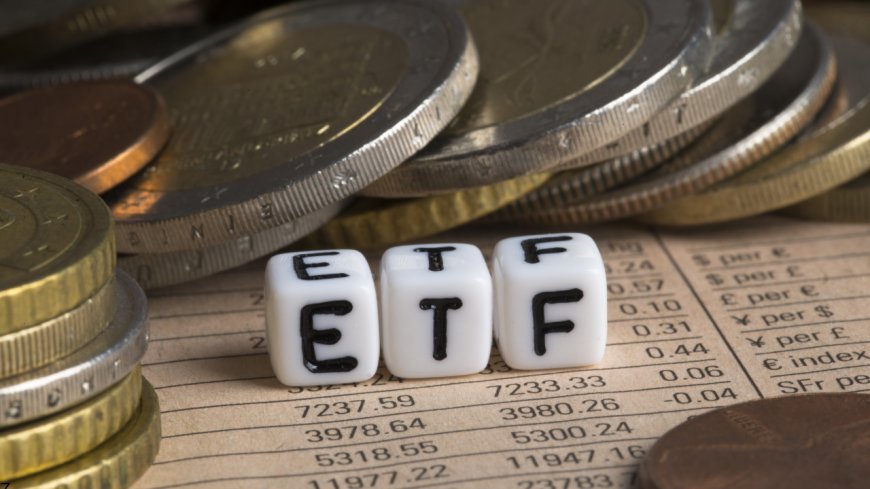
With trillions of dollars flowing into exchange-traded funds (ETFs) in recent years, many investors are asking the same question: Should I put my money into ETFs or stick with traditional mutual funds? Both can help you build a diversified portfolio, but they differ in important ways — especially when it comes to costs, taxes, and flexibility.
In 2026, ETFs continue to gain ground thanks to their lower expense ratios and strong tax efficiency. Here is a clear breakdown to help you decide which option makes more sense for your situation, whether you are just starting out or fine-tuning an existing retirement or taxable account.
How ETFs and Mutual Funds Work
At their core, both ETFs and mutual funds are baskets of investments — usually stocks, bonds, or a mix of both. When you buy shares, you own a small piece of many different assets instead of picking individual stocks yourself. This built-in diversification is one reason both are popular with beginners and experienced investors alike.
The biggest structural difference is how they trade. Mutual funds are priced once per day at the end of the market close. ETFs trade throughout the day on stock exchanges, just like individual stocks. This gives you more control over the exact price you pay or receive.
Key Differences: Costs, Taxes, and Flexibility
Expense Ratios Most ETFs have significantly lower annual fees than actively managed mutual funds. Many broad-market ETFs charge just 0.03% to 0.10% per year, while the average actively managed mutual fund can cost 0.80% or more. Over decades, those small differences compound into thousands of extra dollars in your pocket.
Tax Efficiency This is where ETFs often shine, especially in taxable brokerage accounts. Because of how ETFs are structured (using “in-kind” creations and redemptions), they typically generate far fewer capital gains distributions than mutual funds. In recent years, only a small percentage of passive ETFs paid out capital gains, compared with a much higher share of mutual funds. That means you pay less in taxes each year even if you do not sell your shares.
Liquidity and Trading ETFs let you buy or sell at any time during market hours and place limit orders. Mutual funds only trade at the daily net asset value (NAV). For most long-term investors this difference is minor, but it can matter if you need flexibility.
Minimum Investments Many mutual funds still require minimum initial investments of $1,000 to $3,000. Most ETFs have no such minimum — you can buy just one share.
When ETFs Usually Make More Sense
- You are investing in a taxable brokerage account and want to minimize taxes.
- You prefer low costs and passive index-tracking strategies.
- You like the ability to trade during the day or use more advanced order types.
- You are building a simple, diversified portfolio with broad market exposure (such as S&P 500 or total stock market ETFs).
Popular low-cost examples in 2026 include broad U.S. stock ETFs that track the S&P 500 or total market, as well as international and bond ETFs for added diversification.
When Mutual Funds Might Still Be Better
- Your money is in a tax-advantaged account like a 401(k) or IRA (where tax efficiency matters less).
- You want access to certain actively managed strategies that are not yet widely available in ETF form.
- You prefer automatic investing programs that some mutual fund families still handle more seamlessly.
Even in these cases, many investors are shifting toward low-cost index mutual funds or their ETF equivalents offered by the same providers.
Simple Strategy: How to Get Started with ETFs
- Decide on your goals and risk level. Are you saving for retirement, a house down payment, or general wealth building?
- Choose a core ETF or two. A total stock market ETF or S&P 500 ETF can form the foundation of most portfolios.
- Add diversification if needed. Consider international stock ETFs or bond ETFs to balance risk.
- Automate where possible. Set up recurring contributions through your brokerage so you invest consistently regardless of market ups and downs.
- Review once or twice a year. Rebalance if your allocation drifts too far, but avoid frequent tinkering.
Example math: Investing $500 per month into a low-cost ETF with a 0.04% expense ratio versus a mutual fund with a 0.85% ratio can save you hundreds of dollars annually — and tens of thousands over 30 years thanks to compounding.
Final Takeaways
For most individual investors in 2026, ETFs offer a compelling combination of lower costs, better tax efficiency, and trading flexibility. They make it easier than ever to build a diversified, low-maintenance portfolio without needing to pick individual stocks.
That said, the best choice depends on your account type, time horizon, and personal preferences. If you are unsure, start with a broad-market ETF in your taxable account and keep contributing regularly.
Have questions about specific ETFs, how they fit with your 401(k), or whether to mix them with mutual funds? Drop them in the comments below or read our recent guide on maxing out your 401(k) in 2026 for more ways to put your money to work.
Take control of your investments — one smart choice at a time.
What's Your Reaction?
 Like
0
Like
0
 Dislike
0
Dislike
0
 Love
0
Love
0
 Funny
0
Funny
0
 Wow
0
Wow
0
 Sad
0
Sad
0
 Angry
0
Angry
0

James Johnson has 10+ years in fintech. He holds an MBA and an MS in Information Technology, and writes about how AI and personal finance actually meet for everyday investors.















Comments (0)