

Auto Loans for Bad Credit in 2026: Realistic Options and How to Avoid High Rates
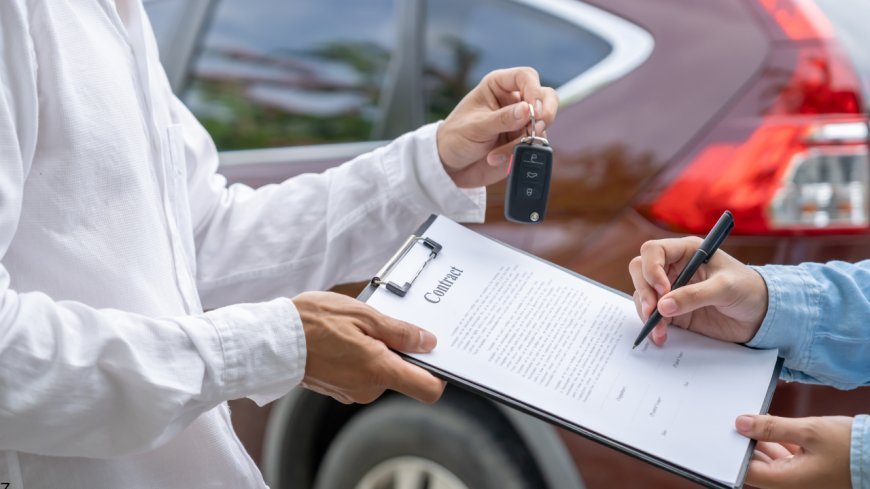
Securing an auto loan with bad credit remains challenging but entirely feasible. Subprime and deep subprime borrowers face higher interest rates due to perceived risk, but options from online marketplaces, specialized lenders, credit unions, and dealerships provide realistic paths to approval. Average rates for subprime borrowers hover around 13–15% for new cars and 19–22% for used, with deep subprime (below 500) often exceeding 15–21% depending on the vehicle and term.
High rates can add thousands in interest over the loan life, but strategic shopping, preparation, and alternatives can mitigate costs. This update covers current realistic options, top lenders, and proven tactics to secure better terms or avoid predatory rates in today's environment.
Current Auto Loan Rate Landscape for Bad Credit
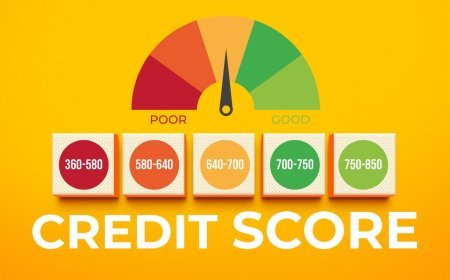
Rates vary significantly by credit tier, vehicle type (new vs. used), loan term, and lender. According to recent Experian data (Q4 2025, still relevant in early 2026), subprime borrowers (501–600) average about 13.34% for new cars and 19.00% for used, while deep subprime (300–500) sees 15.85% new and 21.60% used. Marketplace data from LendingTree shows fair/poor credit offers often in the 19–24% range.
These figures reflect a market where prime borrowers enjoy sub-7% rates, but subprime financing remains accessible—albeit expensive. Used cars typically carry higher rates than new due to depreciation risks. Shorter terms (36–48 months) may yield slightly better rates than longer ones (60–84 months), though monthly payments rise.
Realistic Lender Options for Bad Credit Borrowers
Several lenders and platforms specialize in or accommodate bad credit, often with flexible approval criteria like income verification over strict score cutoffs.
Online aggregators like myAutoLoan and Auto Credit Express connect you to multiple lenders for comparison, often with soft credit pulls for prequalification. myAutoLoan suits fair credit (around 600+ minimum) with rates starting in the mid-teens, while Auto Credit Express targets lower scores and low-income applicants.
Direct options include Carvana (no minimum score, streamlined for used cars with in-house financing), Capital One Auto Finance (prequalification available, works with co-signers), and CarMax Auto Finance (strong for very low credit on used vehicles). Credit unions like Digital Federal Credit Union (DCU) offer member discounts and more lenient terms for those who qualify for membership.
Specialized providers like Credit Acceptance Corp. assist unemployed or challenged borrowers, and CarsDirect handles prior bankruptcies. Avoid "buy here, pay here" dealerships unless necessary—their rates often exceed 20–25% with weekly payments.
Prequalify with multiple sources to compare offers without hard inquiries impacting your score further.
Strategies to Avoid or Minimize High Rates
Shop aggressively: Compare at least 3–5 offers via aggregators or direct lenders—differences of 2–5% in APR can save thousands. Get prequalified first to gauge realistic rates.
Boost your application strength: Provide proof of stable income, employment history, and residence. A larger down payment (10–20%) reduces lender risk and often lowers rates or secures approval. Adding a co-signer with good credit can dramatically improve terms.
Consider used cars over new: Lower vehicle prices mean smaller loans and less interest paid overall, even at higher rates. Opt for shorter terms if affordable to pay less total interest.
Refinance later: Secure initial financing now, then refinance after 6–12 months of on-time payments to improve your credit and qualify for lower rates.
Build credit proactively: Pay down debts, correct report errors, and make timely payments on other accounts to raise your score quickly for future refinancing.
Additional Tips and Considerations
Factor in total costs beyond APR—watch for origination fees, prepayment penalties (rare but possible), and add-ons like extended warranties that inflate the loan. Stick to reputable lenders to avoid predatory practices.
Credit unions often provide the most reasonable rates for subprime borrowers if you join (many have easy eligibility via associations or donations). Online tools from Bankrate, NerdWallet, or LendingTree help compare current offers.
If rates seem unaffordable, explore alternatives like public transit, rideshares, or delaying purchase until credit improves—transportation needs shouldn't lead to unsustainable debt.
The Bottom Line
Bad credit auto loans in 2026 are realistic through aggregators like myAutoLoan, platforms like Carvana or Capital One, and credit unions—though expect rates in the 13–22%+ range depending on your score and vehicle. Avoid high rates by shopping widely, putting money down, adding a co-signer, and planning for future refinancing.
Run prequalifications today to see personalized offers, focus on affordable vehicles, and prioritize building credit post-purchase. With discipline, you can drive away with reasonable terms and set yourself up for better financing down the road. Reliable transportation is achievable—approach it strategically for long-term financial health.
What's Your Reaction?
 Like
0
Like
0
 Dislike
0
Dislike
0
 Love
0
Love
0
 Funny
0
Funny
0
 Wow
0
Wow
0
 Sad
0
Sad
0
 Angry
0
Angry
0

Passionate about breaking down complex finance-related concepts into simple terms to help everyday people.














Comments (0)