

Renting vs. Buying in 2026: A Break-Even Analysis for Major U.S. Cities
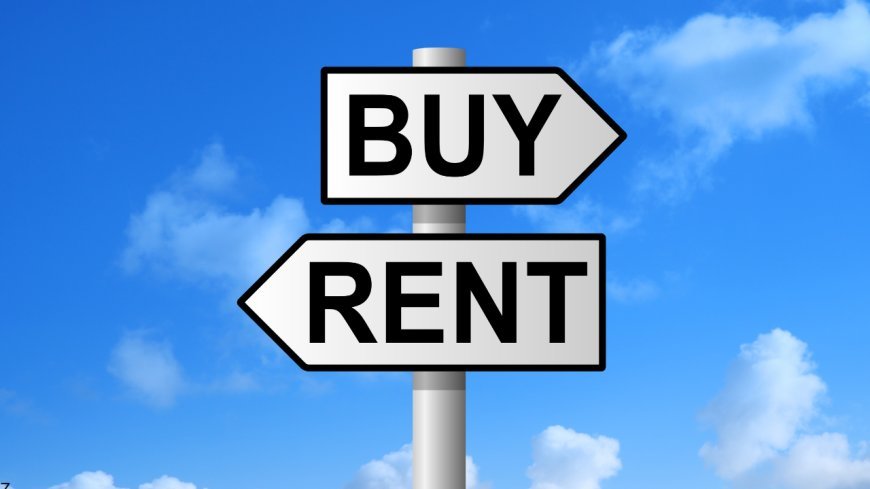
The rent-versus-buy debate in 2026 is fundamentally different from what it was just a few years ago. During the ultra-low interest rate era, cheap borrowing costs made homeownership mathematically attractive in many markets, even at elevated prices. Today, higher mortgage rates, elevated insurance costs, and still-stubborn home prices have stretched break-even timelines across major metropolitan areas.
The right question is no longer “Is buying better than renting?” The real question is how long you need to stay in a property before buying begins to outperform renting financially. That timeline varies dramatically by city, and in the current environment, time horizon has become the single most important variable in the decision.
Understanding the Break-Even Point in 2026
The break-even point represents the number of years a homeowner must stay in a property before the cumulative costs of owning fall below the cumulative costs of renting a comparable home. Ownership costs include mortgage interest, property taxes, insurance, maintenance, and closing costs on both the purchase and eventual sale. These upfront and ongoing expenses are significant and are often underestimated by first-time buyers.
In 2026, the interest component of mortgage payments remains substantial because rates are materially higher than the 2020–2021 period. During the first several years of a mortgage, a large share of each payment goes toward interest rather than principal, slowing equity accumulation. If a homeowner sells within three to five years, transaction costs and limited principal reduction can easily erase any appreciation gains. As a result, short-term ownership carries far greater financial risk than many buyers assume.
New York City: Renting Remains Financially Competitive
In New York City, the price-to-rent ratio remains among the highest in the country. Condominium prices, co-op fees, property taxes, and closing costs create a heavy financial burden for buyers. Even with moderate appreciation assumptions, the break-even timeline frequently extends between seven and ten years, particularly in Manhattan and desirable Brooklyn neighborhoods.
Renting, by contrast, offers flexibility and shields residents from maintenance costs and rising property taxes. For professionals who anticipate career mobility or uncertain long-term residency, renting often produces a better financial outcome over a five-year horizon. Buying tends to make sense only for those confident they will remain in the city for close to a decade and who are prepared to absorb the volatility inherent in high-value markets.
Los Angeles: Appreciation Drives the Equation
Los Angeles presents a slightly more balanced equation, but ownership costs remain high relative to rents. Elevated home prices combined with property taxes and ongoing maintenance push the break-even timeline into the six-to-nine-year range under conservative appreciation assumptions. Without sustained price growth, renting often outperforms buying for mid-term stays.
However, appreciation plays a central role in this market. Historically, Southern California has demonstrated long-term price resilience, and even modest annual growth of three to four percent can materially shorten the break-even period. Buyers who believe in the region’s long-term housing demand may justify ownership, but the decision depends heavily on staying power and tolerance for short-term market fluctuations.
Austin and Dallas: Lower Prices, Higher Taxes
Texas markets offer a different dynamic. After the pandemic-driven surge in housing demand, Austin experienced partial price corrections, improving affordability metrics relative to coastal cities. Dallas has remained comparatively stable, supported by steady population growth and diversified employment.
Break-even timelines in both cities generally fall between four and six years. However, Texas property taxes are significantly higher than in many other states, increasing annual carrying costs for homeowners. While entry prices may be lower than coastal metros, buyers must factor in these recurring expenses when evaluating long-term ownership costs. For residents planning to stay beyond five years, buying can be financially rational, but short-term ownership still carries meaningful transaction risk.
Miami: Insurance Costs Are Reshaping Ownership
Miami’s strong population growth and international demand have supported home prices in recent years, but insurance premiums have risen sharply due to climate-related risk exposure. In many cases, homeowners face significantly higher insurance costs compared to pre-2020 levels, materially increasing total monthly ownership expenses.
As a result, break-even timelines in Miami often extend into the six-to-eight-year range. While long-term appreciation may justify buying for committed residents, the rising cost of insurance introduces uncertainty that renters do not face. For individuals uncertain about long-term residency or concerned about climate-driven cost increases, renting can provide both financial and risk-management advantages.
Chicago: A More Favorable Ownership Timeline
Chicago presents one of the more balanced rent-versus-buy equations among major U.S. cities. Home prices remain moderate relative to income compared to coastal markets, and rent growth has been steady rather than explosive. This combination shortens the time required for ownership to become financially advantageous.
In many neighborhoods, the break-even timeline falls between three and five years, making buying more attractive for medium-term residents. Although property taxes are relatively high, lower purchase prices reduce the overall capital at risk and allow equity accumulation to begin offsetting ownership costs more quickly.
The Bottom Line: Time Horizon Determines the Winner
In 2026, renting is not a financial failure, and buying is not automatically wealth-building. The decision depends primarily on duration of ownership, realistic appreciation assumptions, and local cost structures. Mortgage rates, insurance premiums, and property taxes now carry far more weight in the calculation than they did during the low-rate era.
For individuals planning to stay fewer than three to five years, renting often minimizes financial risk in most major cities. For those with a longer time horizon and stable residency plans, buying can still produce long-term financial advantages. The difference lies not in ideology, but in disciplined break-even analysis tailored to the specific market and personal timeline.
What's Your Reaction?
 Like
0
Like
0
 Dislike
0
Dislike
0
 Love
0
Love
0
 Funny
0
Funny
0
 Wow
0
Wow
0
 Sad
0
Sad
0
 Angry
0
Angry
0

Shula is an experienced content writer with a strong background in developing engaging and informative articles. She has written across diverse topics, including personal finance, lifestyle, food, and travel. With a clear and adaptable writing style, Shula brings value by making complex subjects accessible to a broad audience.














Comments (0)