

March 2026 Mortgage Market Update: How to Lock in Rates Below 6% Before They Bounce Back
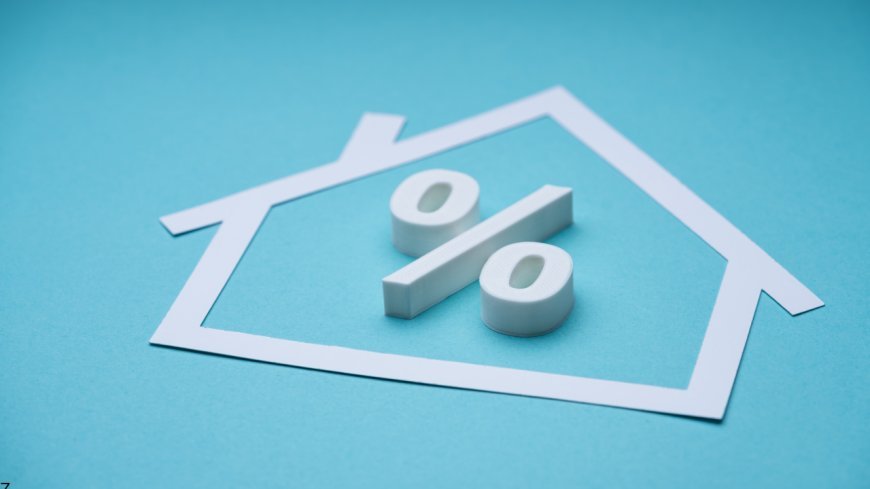
As we enter March 2026, the mortgage market is showing signs of stabilization after a volatile period influenced by economic shifts and Federal Reserve policies. Average 30-year fixed mortgage rates have dipped to around 6.00%, marking a notable decline from the higher averages seen in previous years. This presents a timely opportunity for homebuyers and refinancers to secure favorable terms, but forecasts suggest rates may not stay this low indefinitely. With potential economic factors poised to push rates upward later in the year, understanding how to act now could save thousands over the life of a loan.
Many experts anticipate a modest rebound in rates as inflation trends and Treasury yields evolve, making the current environment ideal for locking in below 6%. This update explores the latest market conditions and practical steps to capitalize on today's rates before any upward movement.
Current Mortgage Rate Landscape
In early March 2026, the national average for a 30-year fixed-rate mortgage stands at approximately 6.00%, with some lenders offering rates as low as 5.98% for well-qualified borrowers. This is a slight increase from the previous week but remains significantly lower than the 6.63% average from a year ago. Fifteen-year fixed rates are averaging around 5.43%, providing even more attractive options for those who can afford higher monthly payments to pay off their loans faster.
Refinance rates are following a similar pattern, with averages hovering at 6.37% for 30-year terms, reflecting increased activity as homeowners seek to lower their existing payments. Jumbo loans, however, are slightly higher at about 6.26%, due to the larger loan amounts involved. Overall, the market is benefiting from recent Federal Reserve actions, but daily fluctuations underscore the importance of monitoring trends closely.
Factors Influencing Future Rate Movements
Economic indicators such as inflation, employment data, and the 10-year Treasury yield are key drivers of mortgage rates. As of now, the Treasury yield is influencing projections that rates could dip further to around 5.75% mid-year before potentially rising again in the latter half of 2026. Geopolitical tensions and domestic policy changes could accelerate this bounce-back, with some forecasts predicting averages stabilizing at 6.3% by year-end.
Fannie Mae's outlook suggests rates may fall below 6% by the end of 2026, but this depends on sustained economic cooling. Conversely, if inflation reaccelerates or job growth exceeds expectations, lenders may adjust rates upward to mitigate risks. Borrowers should consider these variables when deciding whether to act immediately or wait for potential short-term dips.
The "lock-in effect" from previous low-rate refinances continues to limit housing inventory, which indirectly supports higher rates by maintaining elevated home prices. As more homeowners become willing to sell with rates below 6%, increased supply could exert downward pressure, but this relief might be temporary if demand surges in response.
Strategies to Secure Rates Below 6%
To lock in rates below 6%, start by improving your credit score, as even a small increase can unlock better offers from lenders. Aim for a score above 740 to access the most competitive terms, and review your credit report for errors that could be dragging it down. Additionally, reducing your debt-to-income ratio by paying down existing debts will make you a more attractive borrower, potentially qualifying you for sub-6% rates.
Consider purchasing mortgage points to buy down your rate. For instance, paying 1% of the loan amount upfront could reduce your rate by 0.25%, bringing a 6.15% offer down to 5.90% and saving money long-term if you plan to stay in the home for several years. This strategy is particularly effective in the current market where rates are teetering around the 6% threshold.
Explore buydown options, where sellers or lenders contribute to temporarily or permanently lower your rate. A 2-1 buydown, for example, could start your rate at 4% in year one, rising to 5% in year two, and settling at 6% thereafter, easing initial payments while locking in overall savings.
Shopping for the Best Lender
Comparing offers from multiple lenders is crucial, as rates can vary by up to 0.50% for the same borrower profile. Use online tools to gather quotes from national banks, credit unions, and online lenders, focusing on both rates and fees to calculate the true cost. Don't overlook smaller institutions, which may offer more flexible terms to compete.
When evaluating lenders, ask about float-down policies that allow you to adjust your locked rate if market rates drop before closing. This provides protection against rises while offering upside potential, though it often comes with a fee of 0.25% to 0.50% of the loan amount.
Considering Alternative Mortgage Options
Adjustable-rate mortgages (ARMs) can provide initial rates below 6%, such as a 5/1 ARM starting at 5.47%, which remains fixed for five years before adjusting. This is ideal if you plan to sell or refinance before the adjustment period, but it carries the risk of future increases. Weigh this against fixed-rate options based on your long-term plans.
For those with strong financials, a 15-year fixed mortgage at around 5.43% not only locks in below 6% but also builds equity faster and reduces total interest paid. Government-backed loans like FHA or VA can also offer lower rates with more lenient qualification, potentially dipping under 6% with good credit.
The Rate Lock Process
Once you've selected a lender and rate, request a rate lock to secure it for 30 to 90 days, ensuring it aligns with your closing timeline. This protects against market rises but may require an extension fee if delays occur, typically 0.125% to 0.25% per week. Lock when you're confident in proceeding, as breaking it could incur penalties.
Monitor market conditions during the lock period; if rates fall significantly, inquire about renegotiating or using a float-down feature. Always get the lock agreement in writing, detailing the rate, points, and expiration date.
Potential Risks and Considerations
While locking in below 6% offers stability, be aware of closing costs and fees that could offset savings. If rates drop after locking, you might miss out unless your lender allows adjustments. Economic uncertainty, such as unexpected inflation spikes, could still push rates higher before you close.
Consult a financial advisor to ensure the decision fits your overall budget, factoring in property taxes, insurance, and maintenance. Rushing into a lock without full preparation might lead to suboptimal terms.
Conclusion
March 2026 is a pivotal moment for mortgage seekers, with rates at or below 6% providing a window to secure affordable financing before potential increases. By acting strategically—improving your credit, shopping lenders, and considering buydowns—you can position yourself for long-term savings. Stay informed on economic updates, and don't hesitate to lock when conditions align with your goals.
What's Your Reaction?
 Like
0
Like
0
 Dislike
0
Dislike
0
 Love
0
Love
0
 Funny
0
Funny
0
 Wow
0
Wow
0
 Sad
0
Sad
0
 Angry
0
Angry
0

Passionate about breaking down complex finance-related concepts into simple terms to help everyday people.














Comments (0)