

Tax Refund Just Hit? 5 Smart Moves to Supercharge Your Emergency Fund Before April 15, 2026
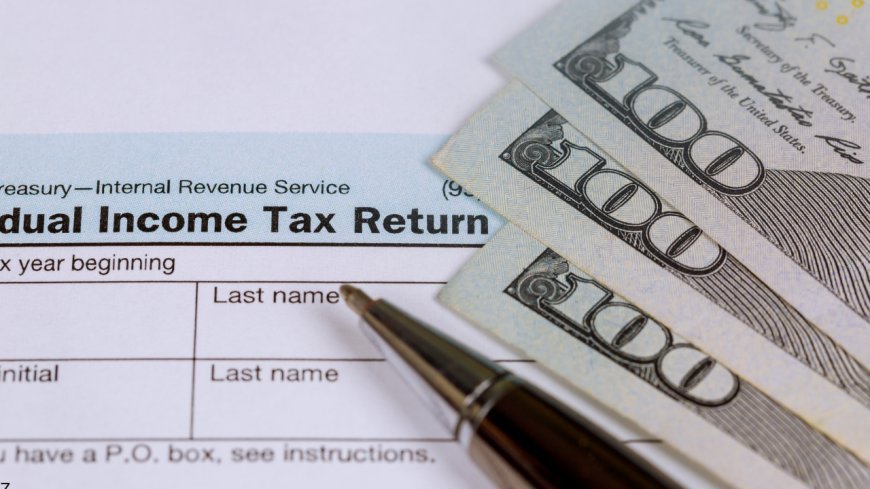
As of mid-March 2026, average federal refunds are running significantly higher than last year, with figures around $3,700–$3,800 for direct deposits (up 8–10% from 2025 levels, per recent IRS data). This windfall arrives at a perfect time: the federal tax filing deadline is Wednesday, April 15, 2026, giving you about four weeks to act strategically before the money potentially gets absorbed into everyday spending.
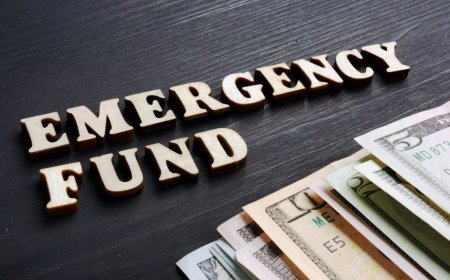
While it's tempting to splurge on upgrades, vacations, or paying off small debts, financial experts consistently rank boosting (or starting) an emergency fund as one of the smartest first uses for a refund. An emergency fund acts as your financial airbag—covering unexpected car repairs, medical bills, job loss, or home issues without forcing you into high-interest credit card debt or dipping into retirement savings.
The goal: Aim for 3–6 months of essential living expenses (rent/mortgage, utilities, food, minimum debt payments, transportation). If you're starting from zero, experts often suggest building a "starter" fund of $1,000–$1,500 first to handle minor surprises, then scaling up. With rates on high-yield savings accounts (HYSAs) still strong in March 2026—top options offering 4.00–5.00% APY (far above the national average of ~0.6%)—your money can grow safely while staying liquid and FDIC-insured.
Here are five high-impact moves to supercharge your emergency fund before the April 15 deadline, turning a one-time windfall into lasting financial security.
1. Open (or Upgrade to) a High-Yield Savings Account Immediately
Don't let your refund sit in a low- or no-interest checking account. Transfer it to a dedicated HYSA where it earns 4–5% APY compounded daily or monthly.
- Top rates right now (as of mid-March 2026): Options like Varo Bank (up to 5.00% on qualifying balances up to $5,000 with direct deposit), Openbank (4.09%), Vio Bank (4.03%), or Axos Bank (around 4.21%) lead the pack. Many have no monthly fees, low or no minimums, and easy online setup.
- Action steps: Research FDIC-insured online banks (compare via Bankrate, NerdWallet, or Forbes Advisor for current rates). Open the account today—most fund in 1–3 business days via ACH transfer or mobile deposit of your refund check. Set up automatic transfers if you get paid bi-weekly to keep building.
- Why before April 15? Rates can fluctuate with Fed moves; locking in a strong APY now maximizes growth on your refund over the coming months.
2. Automate a "Refund Boost" Transfer and Set a Starter Target
Treat the refund like found money—move it out of sight so it's not tempting to spend.
- Deposit the full amount (or 70–100% if you want a small treat) into your new HYSA.
- Set a realistic initial goal: If your monthly essentials are $3,000, aim for $9,000–$18,000 total. Start with whatever portion covers 1–3 months.
- Automate future contributions: Link your checking account and schedule $50–$200 monthly transfers (or round-up features) to maintain momentum post-refund.
This "pay yourself first" approach prevents lifestyle inflation and builds the habit of consistent saving.
3. Split the Refund for Maximum Impact (Hybrid Strategy)
If you have high-interest debt (credit cards >15–20% APR) or no emergency cushion at all, consider a balanced split—many planners recommend this over all-or-nothing.
- Example allocation (adjust to your situation):
- 50–70% → Emergency fund (priority for security).
- 20–30% → Pay down highest-interest debt (frees up future cash flow).
- 10% → Small reward (dinner out, new book) to celebrate without derailing progress.
- Why it works: A starter emergency fund ($1,000+) prevents reliance on credit for surprises, while chipping at debt reduces interest drag. Surveys show people who split refunds feel more motivated long-term.
4. Protect and Optimize the Fund Once Built
Once funded, keep it sacred and efficient.
- Accessibility first: Choose an HYSA with easy transfers (no penalties for withdrawals) but separate from daily checking to avoid impulse dips.
- Avoid common pitfalls: Don't use it for non-emergencies (vacations, shopping). Define "emergency" clearly (job loss, medical, urgent repairs).
- Tax note: Interest earned is taxable, but at current rates, even $5,000 at 4.5% APY generates ~$225/year—worth reporting but minimal compared to growth.
5. Review and Adjust Before the Deadline (and Beyond)
Use the next few weeks to fine-tune.
- Track your refund deposit and transfer—confirm everything posts correctly.
- Reassess your full financial picture: Update your budget to reflect any 2025 tax changes (e.g., withholding adjustments to avoid overpaying again).
- Plan for next year: Increase W-4 withholdings slightly if you prefer smaller refunds and steadier paychecks—or keep aiming for refunds as forced savings.
Your tax refund is a rare financial reset button—especially in 2026 with averages climbing. By directing it toward an emergency fund in a high-yield account, you're not just saving money; you're buying peace of mind, resilience, and freedom from reactive debt. Act fast before April 15: open that HYSA, transfer the funds, and set the automation. Small moves today compound into major security tomorrow. What's your first step—researching accounts or calculating your target fund size? You've got this.
What's Your Reaction?
 Like
0
Like
0
 Dislike
0
Dislike
0
 Love
0
Love
0
 Funny
0
Funny
0
 Wow
0
Wow
0
 Sad
0
Sad
0
 Angry
0
Angry
0

Finance Mastering delivers practical insights on personal finance, budgeting, investing, and money management. Whether you're just starting out or looking to grow your wealth, we make financial freedom achievable.












Comments (0)