

Cash-Back Portals and Browser Extensions: Do They Really Save You Money?

Priya Nair planned to spend about $1,200 on Black Friday and Cyber Monday gifts. Her credit card already pays 2 percent cash back on online purchases. A browser extension promised another 3 percent through a shopping portal if she clicked before checkout. Stacking both sounded like free money until a friend showed her a screenshot of a denied portal reward and a permissions request that asked for every site she visited. Priya wanted the real yield after failed tracking, coupon conflicts, and privacy tradeoffs, not the homepage percentage.
Cash-back portals and browser extensions can return money on purchases you already planned. They can also return nothing, delay payouts for months, or collect more browsing data than the reward is worth on a busy shopping weekend. The useful comparison is expected dollars after friction, failed clicks, and privacy tradeoffs, not the advertised rates on a homepage banner.
How portals and extensions actually pay you
A cash-back portal is a website that routes you to a retailer through a tracked affiliate link. When the retailer's system records a qualifying purchase, the portal later credits a percentage or flat amount to your portal account. A browser extension tries to automate that routing or to surface coupons while you shop. Some extensions also claim to apply promo codes at checkout.
Payment is almost never instant. Many portals post pending rewards that become payable only after a waiting period, often 30 to 90 days, and only if the order is not returned. Some require you to hit a minimum balance before you can cash out by gift card, PayPal, or check. If you shop once a year, a $10 pending credit that expires or that sits below the cash-out minimum is not savings you can spend in January.
Read the portal's merchant terms for the store you care about. Rates change by day and by product category. Exclusions for gift cards, third-party marketplace sellers, and already-discounted items are common. The percentage you saw in a blog post last week may not be the rate on the morning you buy.
The tracking failure problem
Portals pay only when their tracking cookie or click ID survives until the order is attributed. Anything that breaks that chain can zero out the reward: using a different device to finish checkout, paying with a store gift card in a way the merchant excludes, opening the retailer app instead of the browser session you started, applying a coupon code the portal forbids, or waiting too long between the click and the purchase.
In a labeled example, Priya's $1,200 cart at a 3 percent portal rate would show $36 pending if tracking worked. If half the order is later excluded because she used a banned coupon stack, she might see $18. If the click never recorded, she sees $0. The credit card's 2 percent still pays about $24 if that card earns on the purchase. The portal was upside, not a sure thing.
When a reward fails, most portals offer a claim form that asks for an order number and date. Keep confirmation emails. Claims can take weeks and are not always approved. Build a habit of screenshotting the portal confirmation page that shows the click registered before you check out.
Stacking with credit cards and coupons
Stacking means trying to earn card rewards and portal cash back on the same order, sometimes with a coupon added. Retailers and portals set the rules. Some portals void cash back if you use certain coupon codes. Some store sites strip affiliate tracking when a promo code is applied. Card rewards usually still post because they come from the card network, not the affiliate link, but that is not a reason to ignore portal exclusions.
A clean approach for a big purchase is to decide the order of operations in advance. Check whether the portal allows coupons. If it does not, skip the coupon or skip the portal. Do not assume the extension's "best coupon" button is compatible with cash back. If the dollar gap between a working coupon and portal cash back is large, take the coupon and move on.
Never pay interest to chase cash back. If a purchase would revolve on a credit card, the finance charge will erase portal percentages quickly. Cash back is a discount on spending you were already going to do with money you already have.
Privacy and permission costs
Browser extensions that read the pages you visit can see product URLs, coupon fields, and sometimes account pages if you are logged in. Before you install one, open the store listing's permission list. An extension that needs to "read and change all your data on all websites" is asking for broad access. Prefer tools that limit access to shopping sites you choose, and remove extensions you no longer use.
Portals also build profiles of what you click. That may be acceptable for a holiday shopping week if you use a separate browser profile, clear cookies afterward, and avoid logging into sensitive accounts in the same session. It is a poor trade if the extension stays on year-round for a few dollars of rewards.
The Federal Trade Commission has long warned consumers about browser extensions and apps that over-collect data or that are hard to uninstall. Treat a cash-back tool like software with access to your shopping life, not like a passive coupon book.
Fake buttons, look-alike sites, and phishing
Holiday shopping brings look-alike cash-back sites and malicious extensions that mimic popular brands. Download extensions only from official browser stores, verify the publisher name, and navigate to portals by typing the address or using a bookmark you created on a trusted device. Do not click cash-back links inside random emails or text messages.
If a site asks for your bank password, Social Security number, or a credit card "to verify" before showing deals, leave. Legitimate portals need an account email and a payout method when you cash out, not your primary bank login.
When portals are worth it, and when they are not
Portals tend to help when you already planned a large purchase at a full-price retailer, the portal rate is meaningful, tracking is reliable for that merchant, and you will still shop even if the reward later fails. They help less when the store's own sale price plus a simple coupon beats portal cash back, when you would not have bought the item otherwise, or when the payout minimum and waiting period mean you will forget the balance.
In Priya's $1,200 example, a reliable 3 percent portal reward is $36 before taxes on the reward if any apply. Many portals report redeemable cash back as other income when you hit IRS reporting thresholds, though small amounts may not generate a form. Card rewards paid as cash back on purchases are generally treated as a rebate, not income, under common IRS guidance on credit card rebates, but portal cash back can be different because it is often paid by the portal rather than as a price reduction from the seller. Keep year-end tax documents the portal sends.
A Black Friday checklist that fits on one note
Write the store name, the portal rate that morning, whether coupons are allowed, the card you will use, and the expected portal dollars if tracking works. Click the portal link, confirm the tracking message, then check out in the same browser session without opening the store app. Save the order confirmation and a screenshot of the portal's pending credit page. Set a calendar reminder for the date pending rewards should become payable. If the credit never appears, file the claim with documents attached.
If two extensions fight each other at checkout, disable all but one. Competing tools can break tracking for everyone and turn a careful plan into a zero-credit surprise after the order ships.
Gift cards, marketplace sellers, and travel bookings
Three categories cause outsized disappointment. Store gift cards bought through a portal are frequently excluded or credited at a tiny flat rate. Third-party marketplace sellers on a big retail site may not qualify even when the site itself has a portal offer. Travel bookings can show high percentages that apply only to the hotel's direct rate, not to taxes, fees, or third-party travel agencies.
If your cart is mostly gift cards for teachers and coaches, skip the portal math and use your card's category bonus if you have one. If your cart mixes first-party and marketplace items, expect only the first-party portion to earn, and verify that split in the portal's merchant terms before you get excited about the headline rate.
Returns, partial cancels, and clawbacks
Portals typically reverse cash back when you return an item. A partial return can turn a pending $40 credit into $15 without any email you notice. If you are on the fence about sizing or color, wait until you are sure before you treat pending cash back as money you have earned. Clawbacks after a payout are less common but possible when fraud checks fail, so keep some buffer if you immediately spend every redeemed dollar.
Retailers also cancel orders for pricing errors. If the order disappears, the portal credit usually disappears with it. Your credit card should show a release of the authorization; that card release is separate from the portal's pending balance.
Taxes and recordkeeping without overthinking it
For most casual users, year-end portal totals stay small. Still, download the portal's annual summary if it offers one, and save cash-out confirmations. If a portal issues a Form 1099 because your redemptions crossed its reporting threshold, include that income on your return. Do not confuse that paperwork with the rebate treatment that often applies to credit card cash back posted by a bank as a statement credit.
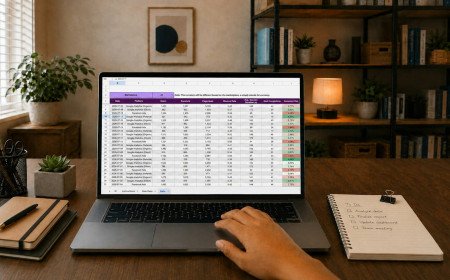
A simple spreadsheet with date, merchant, order total, expected portal rate, expected dollars, and actual dollars paid will teach you which merchants track well for you. After one holiday season, you will know which stores deserve a portal click and which ones waste time.
Credit the card, not the dopamine
The highest return is still avoiding purchases you do not need. After that, a straightforward card reward with no extension installed will beat a complicated stack that fails half the time on Cyber Monday night. Use portals as a bonus on planned spending, with screenshots, claim deadlines, and patience, not as a reason to add items to the cart.
Priya kept the shopping extension off by default on her laptop and turned it on only for the three stores on her list. She earned her usual card rewards on the full $1,200 order total and portal cash back on two of the three orders. The third failed tracking, she filed a claim with screenshots, and she still finished ahead of shopping with no cash-back tool at all.
Frequently Asked Questions
What's Your Reaction?
 Like
0
 Dislike
0
 Love
0
 Funny
0
 Wow
0
 Sad
0
 Angry
0

Finance Mastering delivers practical insights on personal finance, budgeting, investing, and money management. Whether you're just starting out or looking to grow your wealth, we make financial freedom achievable.














Comments (0)