

How Portfolio Rebalancing Bands Work (And When to Actually Rebalance)
Drift is normal — unmanaged drift is a different mix
You set a target allocation — say 70% stocks and 30% bonds — because it matches your risk tolerance and timeline. Markets then move. Stocks rally and the portfolio becomes 78/22. Or stocks fall and you wake up at 62/38. Nothing “broke.” Prices moved, so weights moved.
Rebalancing is the process of selling what grew overweight and buying what became underweight so you return toward the plan. Rebalancing bands (also called tolerance bands or corridors) are rules that tell you *when* that process is worth the trading, taxes, and attention.
Without a rule, investors either never rebalance (and accidentally take more risk than they intended) or rebalance constantly (and generate costs for little risk-control benefit).
What a rebalancing band actually is
A band is a permitted drift range around each target weight. Example:
- Target equities: 70%
- Band: ±5 percentage points
- Rebalance trigger: equities above 75% or below 65%
As long as the weight stays inside the band, you do nothing. When it exits the band, you rebalance — either back to the exact target or back to the edge of the band (a softer approach some investors prefer).
Bands can be absolute (percentage points of the portfolio) or relative (a percentage of the target weight). Absolute bands are easier to explain and implement for most households.
Why bands beat “rebalance every month”
Calendar rebalancing (every quarter or year) is simple and often good enough. Bands add a risk-based filter: you act when the mix has actually changed enough to matter.
Benefits of bands:
- Risk control with fewer trades. Small drifts rarely change your outcome; large drifts do.
- Behavioral clarity. You are not guessing whether “it feels like time.”
- Cost awareness. Every rebalance can create commissions (if any), bid-ask spreads, and — in taxable accounts — capital gains.
Bands are not magic. A 1% band on a volatile portfolio will fire constantly. A 20% band may let risk wander farther than you intended. The band width is a policy choice.
How to choose band width
Start from what you are trying to protect: the risk profile of the plan, not a perfect pie chart.
Practical ranges many long-term investors use:
- Major asset classes (stocks vs bonds): often ±5% absolute
- Sub-asset classes (U.S. vs international, large vs small): often ±3% to ±5%, or wider if the sleeve is small
- Tiny satellite positions: wider bands, or rebalance only when the main mix drifts
Wider bands mean fewer trades and more temporary drift. Narrower bands mean tighter risk control and more activity. If your account is small, fees and round-trip costs matter more — prefer wider bands or calendar checks. If you hold mostly tax-advantaged accounts and use commission-free index funds, you can afford somewhat tighter control.
Also match the band to volatility. Equity-heavy portfolios drift more; expecting weekly precision is unrealistic.
Calendar vs threshold vs hybrid
Three common policies:
Calendar only
Check on a fixed schedule (e.g., every June 30 and December 31). Rebalance if anything is off target by more than a small amount, or always reset to target.
Pros: simple, low monitoring. Cons: may miss large mid-year drifts or rebalance when drift is tiny.
Threshold / band only
Monitor periodically; trade only when a band is breached.
Pros: risk-driven. Cons: requires a monitoring habit (monthly glance is usually enough; daily is usually overkill).
Hybrid (often best for DIY investors)
Glance monthly or quarterly. Rebalance only if a band is breached *or* on an annual “true-up” date even if bands were not hit.
This catches both sudden market moves and slow multi-year drifts that never quite trip a wide band.
Taxable accounts change the math
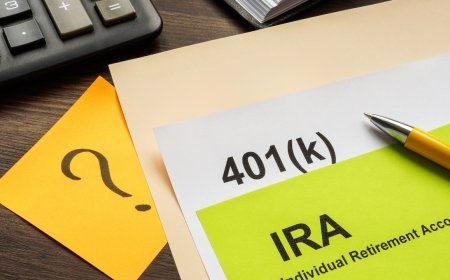
In a 401(k) or IRA, rebalancing is usually a non-event for taxes. In a taxable brokerage account, selling winners can create capital gains.
Tactics that reduce tax friction:
- Rebalance with new contributions first — direct fresh cash to underweight assets before selling anything.
- Prefer selling lots with losses or long-term gains over short-term gains when you must sell.
- Use asset location: hold assets you rebalance more often inside tax-advantaged accounts when feasible.
- Consider partial rebalances back to the band edge rather than a full reset if gains would be large.
Do not let tax avoidance permanently strand you in a risk profile you never chose. Paying some tax to restore a sensible mix can still be rational.
Implementation details that matter
What counts as “the portfolio”? Decide whether bands apply to investable assets only, or include cash earmarked for near-term spending. Emergency cash usually sits outside the investment policy.
Use percentages of current market value, not original cost. Rebalancing is about today’s risk, not yesterday’s purchase prices.
Account for all sleeves. If you have a 401(k), IRA, and taxable account, either rebalance each account toward its role or rebalance at the household level (more accurate, slightly more work).
Avoid churning satellites. Rebalancing a 2% thematic position every time it moves to 2.4% is usually noise.
Document the rule. Write the targets, bands, and review cadence somewhere you will actually look. Policy beats memory after a loud market week.
A simple household policy example
- Targets: 60% U.S. stock index, 20% international stock index, 20% bond index
- Bands: ±5% on each major sleeve
- Review: first weekend of each month
- Action: if any sleeve is outside its band, rebalance using new contributions first; otherwise trade inside tax-advantaged accounts preferentially
- Annual true-up: every January, reset to target if any sleeve is more than 2% off even if bands were not breached
That is enough structure for most long-term investors. Complexity beyond this rarely improves outcomes.
What rebalancing is not
Rebalancing is not market timing. You are restoring a predetermined risk mix, not predicting the next quarter. It is also not a guarantee of higher returns. In strong bull markets, rebalancing can feel like it hurts” because you are trimming winners. The point is risk management and discipline — staying the investor you said you would be when you wrote the plan.
If your target allocation itself is wrong for your life, fix the target. Bands only enforce the mix you already chose.
Rebalancing inside target-date and all-in-one funds
If your entire portfolio is a single target-date fund or balanced fund, the manager rebalances for you inside the fund. Adding separate stock funds on the side without a plan recreates drift at the household level. Either let the all-in-one fund be the portfolio, or build a deliberate multi-fund policy with bands — not both by accident.
Cash flows as the first rebalancing tool
Deposits and withdrawals are free rebalancing levers. Direct new 401(k) contributions to the underweight fund. Take RMDs or spending withdrawals from the overweight fund. Many households can keep risk near target for years with cash-flow rebalancing alone, especially during accumulation.
Bottom line
Rebalancing bands turn a vague intention (“I should rebalance sometime”) into a decision rule: act when drift exits a pre-set corridor. Pair bands with a light review cadence, prefer funding underweights with new cash, and respect taxes in taxable accounts. The goal is not a perfectly sculpted pie chart every Friday — it is a portfolio whose risk still matches the plan you meant to follow.
Frequently Asked Questions
What's Your Reaction?
 Like
0
Like
0
 Dislike
0
Dislike
0
 Love
0
Love
0
 Funny
0
Funny
0
 Wow
0
Wow
0
 Sad
0
Sad
0
 Angry
0
Angry
0

Finance Mastering delivers practical insights on personal finance, budgeting, investing, and money management. Whether you're just starting out or looking to grow your wealth, we make financial freedom achievable.














Comments (0)