



















Building a Precious Metals Portfolio: Gold, Silver, and Hybrids for 2026 Uncertainty
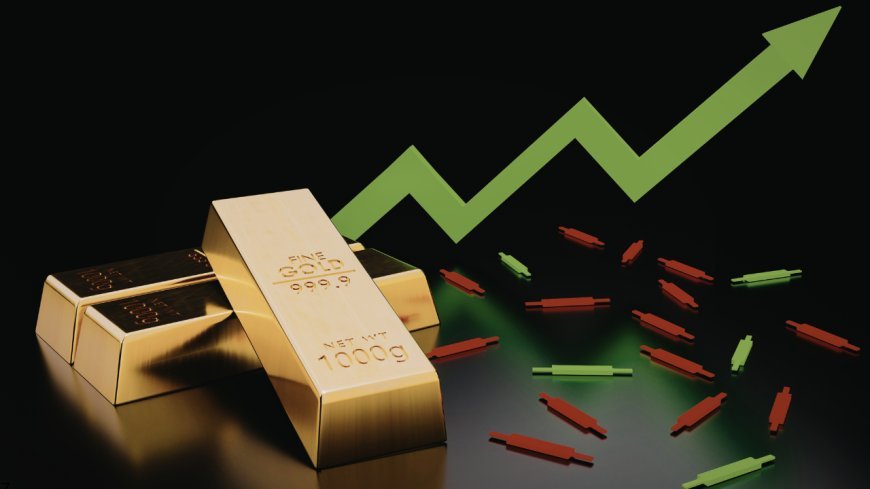
Precious metals like gold and silver continue to shine as key portfolio components amid persistent economic and geopolitical uncertainty. Gold trades around $5,100–$5,200 per ounce, while silver hovers near $83–$85 per ounce—levels reflecting strong momentum from 2025's rallies driven by central bank buying, industrial demand, and safe-haven flows. With inflation concerns lingering, potential policy shifts, and ongoing global tensions, many investors view these metals as essential hedges against volatility, currency risks, and market downturns.
A well-constructed precious metals portfolio balances gold's stability as a monetary asset with silver's higher upside potential from dual monetary-industrial roles. Hybrids—blending physical exposure, ETFs, mining stocks, or royalty/streaming companies—offer diversification within the sector. This guide explores allocation strategies, investment vehicles, and practical steps for beginners to advanced investors seeking resilience in an unpredictable year.
Why Precious Metals in 2026: The Hedge Case
Precious metals excel as non-correlated assets during uncertainty. Gold serves as a classic safe-haven, benefiting from central bank diversification (ongoing record purchases), declining real interest rates, and geopolitical risks that erode confidence in fiat currencies. Forecasts from major banks like J.P. Morgan (up to $6,300/oz by year-end in base/upside scenarios), Goldman Sachs ($5,400/oz), and UBS ($5,900–$6,200/oz) reflect bullish sentiment, with some models eyeing $8,000+ if household allocations rise.
Silver often amplifies gold's moves due to its industrial demand (solar, EVs, electronics) amid supply constraints and deficits. Analysts project averages around $81/oz (J.P. Morgan) or higher, with upside to $100+ or beyond in optimistic views. In volatile environments, the gold-silver ratio (currently around 60–62) can compress, favoring silver's outperformance.
Both metals provide inflation protection over longer horizons, portfolio diversification, and tail-risk hedging—qualities amplified in 2026's backdrop of moderated growth, potential Fed easing, and elevated risks.
Core Allocation Strategies: Gold vs. Silver Balance
A balanced approach typically allocates 5–10% of a portfolio to precious metals, with variations based on risk tolerance and outlook. Conservative investors favor 60–80% gold for stability, while growth-oriented ones tilt 40–60% silver for leverage.
- Gold-heavy (defensive): 70% gold, 30% silver—prioritizes wealth preservation amid uncertainty.
- Balanced hybrid: 50% gold, 40% silver, 10% platinum/palladium or miners—captures monetary and industrial upside.
- Aggressive silver tilt: 30% gold, 60% silver, 10% hybrids—bets on silver's potential to outperform in industrial recovery or ratio compression.
Rebalance annually or when the gold-silver ratio deviates significantly (e.g., below 50 signals silver strength). Start small if new to the space—aim for 2–5% initially to test exposure.
Investment Vehicles: Physical, ETFs, Mining Stocks, and Hybrids
Choose vehicles aligning with your goals: liquidity, costs, tax implications, and hands-on level.
Physical bullion (bars/coins) offers direct ownership and no counterparty risk but involves storage/insurance costs. Dealers like JM Bullion or APMEX provide easy access; hold in secure vaults or home safes.
ETFs provide convenient, low-cost exposure without storage hassles. Top options include:
- SPDR Gold Shares (GLD) or iShares Gold Trust (IAU) for physical gold backing.
- iShares Silver Trust (SLV) for silver.
- Hybrids like Sprott Physical Gold and Silver Trust (CEF) combine both metals.
These trade like stocks, offer high liquidity, and suit taxable or retirement accounts.
Mining stocks and royalty/streaming companies add leverage—prices often rise faster than metals during bull runs but carry operational risks. Consider VanEck Gold Miners ETF (GDX) for gold miners, Global X Silver Miners ETF (SIL) for silver, or active options like Sprott Active Gold & Silver Miners ETF (GBUG). Royalty firms (e.g., Wheaton Precious Metals) provide steadier exposure with dividends.
Hybrids blend approaches: physical-backed ETFs with miners, or funds like Sprott Silver Miners & Physical Silver ETF (SLVR) for combined exposure.
Tax and Practical Considerations
In taxable accounts, physical metals may qualify for collectibles tax rates (up to 28%), while ETFs often face ordinary income or capital gains depending on structure. Retirement accounts (IRAs) allow tax-deferred growth—consider self-directed precious metals IRAs for physical holdings.
Factor in costs: ETFs have low expense ratios (0.2–0.5%), miners higher volatility/fees. Diversify across vehicles to mitigate risks like storage theft or company-specific issues.
Monitor economic indicators—Fed policy, inflation data, central bank activity—and geopolitical events that could accelerate rallies.
Risks and Mitigation
Precious metals can be volatile: short-term corrections occur even in bull markets. They don't generate income like dividends or bonds and may underperform in strong equity rallies. Over-allocation risks concentration.
Mitigate by limiting to 5–15% total, diversifying within metals (gold/silver mix), and using dollar-cost averaging. View as insurance rather than primary growth driver.
The Bottom Line
In 2026's uncertain environment, a thoughtful precious metals portfolio—emphasizing gold for defense, silver for growth potential, and hybrids for enhanced returns—can bolster resilience. With bullish forecasts supporting further upside, allocate modestly through accessible vehicles like ETFs for simplicity or physical/miners for direct exposure.
Assess your risk profile, start with a small position, and re-evaluate quarterly. Precious metals aren't about timing the top but preserving purchasing power amid volatility. Position strategically today—your portfolio's hedge against tomorrow's unknowns starts here.
What's Your Reaction?
 Like
0
Like
0
 Dislike
0
Dislike
0
 Love
0
Love
0
 Funny
0
Funny
0
 Angry
0
Angry
0
 Sad
0
Sad
0
 Wow
0
Wow
0