

Your March Financial Reset: 5 Quick Checks to Boost Your Money Game Mid-Year

March 2026 marks a perfect pivot point far enough into the year to see real progress (or slippage) on your financial goals, yet early enough to make meaningful adjustments before summer distractions or year-end rushes set in. With inflation cooling to around 2.4% year-over-year, mortgage rates dipping below 6%, and the Federal Reserve holding steady after late-2025 cuts, many households are feeling a bit more breathing room. This creates an ideal window for a quick "financial reset" to realign your habits, shore up weaknesses, and accelerate toward stronger money momentum.
A mid-year reset doesn't require overhauling everything. Instead, focus on five high-impact checks that take minimal time but deliver outsized results. These steps draw from timeless personal finance principles while accounting for current trends like easing interest rates, persistent debt pressures for some, and growing optimism about financial improvement. Completing them now can help you finish 2026 stronger, whether your priorities are building savings, reducing debt, or preparing for bigger life moves.
Check 1: Reassess Your Budget and Cash Flow Reality
Start by pulling up your last three months of bank and credit card statements to compare actual spending against the budget you set (or intended to set) at the start of the year. Look for creeping increases in categories like dining out, subscriptions, groceries, or utilities—common areas where inflation or lifestyle drift can erode progress. Calculate your true monthly net cash flow: income minus essential outflows. If it's positive but smaller than expected, identify one or two "leaks" to plug, such as canceling unused services or negotiating bills.
This quick audit reveals whether your budget still fits your current life. Many people discover mid-year that priorities have shifted—perhaps due to a raise, new expenses, or changing habits—and small tweaks here prevent bigger shortfalls later. Tools like free budgeting apps or simple spreadsheets make this painless; aim to spend no more than 30 minutes on the review. The goal is clarity: know exactly where your money is going so you can redirect it intentionally toward what matters most.
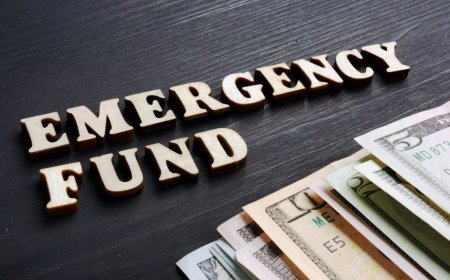
Check 2: Evaluate Your Emergency Fund and Short-Term Savings Progress
Next, tally your liquid savings—high-yield savings accounts, money market funds, or easy-access cash equivalents—and compare it to your target emergency fund (ideally 3–6 months of essential expenses). With rates still attractive in early 2026 despite potential further Fed easing, parking funds in top-yield options remains smart for preserving purchasing power.
Assess if you're on pace: if you aimed to add $X per month but fell short, explore automation tweaks like increasing direct deposits or setting up recurring transfers right after payday. If your fund is solid, consider shifting excess toward other goals like debt payoff or investments. This check builds security—unexpected costs (car repairs, medical bills) hit less hard when buffered—and frees mental energy for growth-focused moves. Many experts note that households with robust emergency reserves report lower financial stress, especially amid ongoing economic uncertainty.
Check 3: Review Debt Balances and Repayment Strategy
Pull credit card, loan, and other debt statements to track progress since January. Calculate your total debt, monthly minimums, and interest costs—focus especially on high-interest revolving debt like credit cards, where rates remain elevated for many. If you've made headway, celebrate it; if not, prioritize: use the debt snowball (smallest balances first for motivation) or avalanche (highest interest first for savings) method.
Look for opportunities to refinance or consolidate, particularly with rates trending downward—personal loans or balance transfers could lower costs. Also, check your credit score (free weekly via major bureaus) to ensure no surprises are inflating rates. This reset prevents debt from snowballing and frees up cash flow for savings or investing. Even modest accelerations now compound into significant interest savings by year-end.
Check 4: Quick Portfolio and Retirement Contribution Check-In
Log into your investment and retirement accounts (401(k), IRA, brokerage) for a snapshot review. Confirm you're on track with contributions—max out employer matches if available, and aim for at least 15% of income toward retirement if possible. With markets showing resilience and potential for lower rates supporting growth, ensure your asset allocation still matches your risk tolerance and timeline (e.g., more stocks for long horizons, bonds for nearer needs).
Rebalance lightly if any category has drifted more than 5–10% from target due to recent performance. This isn't a deep dive—just verify diversification and contribution rates. If you're behind, bump automatic contributions by even 1–2% to catch up. This check leverages compound growth and tax advantages, positioning you better for long-term wealth building amid 2026's evolving economic signals.
Check 5: Scan for Tax and Insurance Optimization Opportunities
Mid-March is prime time to project your 2026 taxes roughly—review year-to-date withholdings or estimated payments against expected income. If over- or under-withholding, adjust W-4 forms or quarterly estimates to avoid surprises (or penalties). Look for deductible opportunities like charitable contributions, HSA contributions, or energy-efficient home upgrades that could lower your bill.
Simultaneously, review insurance policies (auto, home, health, life) for coverage gaps or overpayments—shop quotes if premiums have risen or your situation changed (e.g., better credit, safer driving record). Bundling or increasing deductibles often saves hundreds annually. This final check minimizes unnecessary outflows and captures easy wins, ensuring more money stays in your pocket rather than going to taxes or premiums.
Conclusion
A March financial reset through these five quick checks—budget reality, emergency fund, debt strategy, retirement progress, and tax/insurance tweaks—requires only a couple of focused hours but can dramatically boost your money game for the rest of 2026. In a year where inflation is easing, borrowing costs are softening, and optimism is rising, small proactive steps compound into major momentum.
Act on what you uncover: set one or two immediate actions per check (e.g., automate a transfer, cancel a subscription, up a contribution). Revisit in June for another light touch-up. Consistency beats perfection—start today, and you'll enter the second half of the year with clearer control, reduced stress, and stronger progress toward financial freedom. Your future self will thank you.
What's Your Reaction?
 Like
0
Like
0
 Dislike
0
Dislike
0
 Love
0
Love
0
 Funny
0
Funny
0
 Wow
0
Wow
0
 Sad
0
Sad
0
 Angry
0
Angry
0

Shula is an experienced content writer with a strong background in developing engaging and informative articles. She has written across diverse topics, including personal finance, lifestyle, food, and travel. With a clear and adaptable writing style, Shula brings value by making complex subjects accessible to a broad audience.















Comments (0)