



























ETFs vs. Mutual Funds in 2026: Which Wins for Cost, Performance, and Tax Efficiency
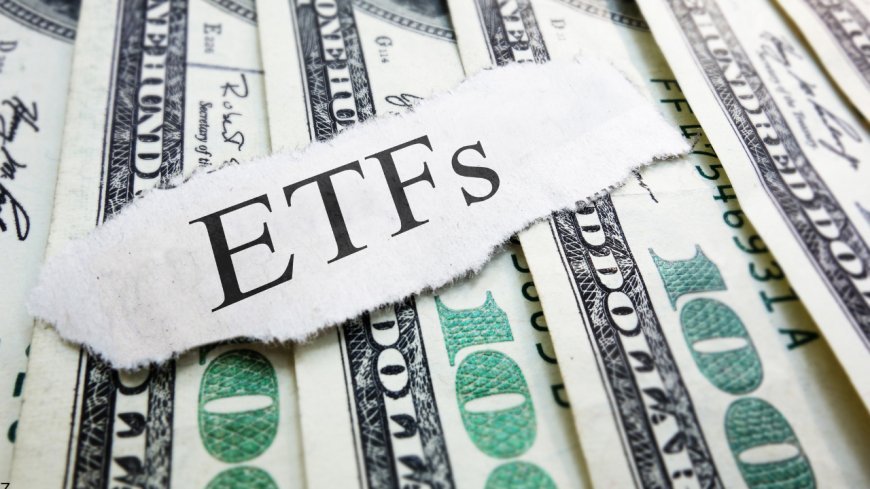
In March 2026, investors continue to weigh exchange-traded funds (ETFs) against mutual funds as core building blocks for portfolios. Both vehicles pool money to invest in diversified baskets of stocks, bonds, or other assets, offering professional management and broad exposure without picking individual securities. However, structural differences—trading mechanics, management styles, and creation/redemption processes—create meaningful gaps in cost, performance after fees and taxes, and overall efficiency.
ETFs have surged in popularity, often edging out mutual funds for taxable accounts due to lower expenses and superior tax treatment. Mutual funds, particularly index versions from providers like Vanguard or Fidelity, remain competitive for simplicity and automatic investing. With markets resilient and interest rates stabilizing, the choice hinges on your account type (taxable vs. tax-advantaged), investment horizon, and priorities like minimizing drag from fees or unexpected tax bills.
Key Structural Differences
ETFs trade throughout the day on stock exchanges like individual shares, with prices fluctuating based on supply and demand. This allows intraday buying/selling, limit orders, margin use, and even shorting—features unavailable with traditional mutual funds.
Mutual funds price once daily at net asset value (NAV) after markets close, with transactions executed at that day's end-of-day price. You buy or sell directly from the fund company, often without a brokerage account required for no-load options.
Both can be passive (index-tracking) or active (manager-driven), but ETFs lean heavily passive, while mutual funds include more active strategies. These mechanics drive the core comparisons in cost, performance, and taxes.
Cost Comparison: Expense Ratios and Hidden Fees
ETFs generally win on costs, especially for passive strategies. Average expense ratios for passively managed ETFs hover around 0.14%, while actively managed ETFs sit near 0.44%. In contrast, index mutual funds average around 0.60%, and actively managed mutual funds often exceed 0.89%.
Providers like Vanguard and Fidelity offer ultra-low-cost options in both formats—sometimes matching or beating each other—but ETFs avoid certain mutual fund overhead like 12b-1 distribution fees. ETFs may incur brokerage commissions (though many platforms offer commission-free trading) and bid-ask spreads, which can add minor costs for frequent traders.
For buy-and-hold investors, ETFs' lower average fees compound into meaningful savings over time. A 0.20–0.30% annual edge can add thousands to long-term returns, making ETFs the clear cost leader in most scenarios.
Performance: Gross Returns, Fees, and After-Cost Outcomes
Gross performance depends on the underlying strategy—index funds/ETFs aim to match benchmarks, while active ones seek to beat them. Historically, passive options outperform most active funds after fees due to lower costs and reduced turnover.
In 2026, data shows passive ETFs and index mutual funds deliver similar pre-fee returns when tracking the same index. However, ETFs' lower expense ratios often translate to slightly better net performance. Active mutual funds face higher hurdles: many underperform benchmarks, and those that do may still lag after fees.
Studies indicate active ETFs underperform less often than active mutual funds, partly due to cost advantages. For most long-term investors, passive ETFs or index mutual funds provide comparable market-matching performance, with ETFs pulling ahead net of fees in taxable accounts.
Tax Efficiency: The Standout Advantage for ETFs
ETFs dominate here, thanks to their in-kind creation/redemption process. Authorized participants exchange baskets of securities for ETF shares (or vice versa) without cash sales, minimizing realized capital gains inside the fund. This shields shareholders from taxable distributions triggered by other investors' redemptions.
Recent data reinforces this: In 2025, only about 7% of ETFs distributed capital gains, compared to 52% of mutual funds. Long-term averages show roughly 9% of ETFs vs. 53% of mutual funds issuing gains. Even passive mutual funds lag (41% distributed gains in some periods), while passive ETFs stay near 4%.
In taxable accounts, this structural edge reduces annual tax drag—often by 0.7–1.9% of returns historically—allowing more compounding. Mutual funds can force taxes on gains you didn't trigger, especially in active or high-turnover funds. In tax-advantaged accounts like IRAs or 401(k)s, the difference shrinks since distributions aren't taxed until withdrawal.
When Mutual Funds Might Still Make Sense
Mutual funds hold advantages in certain cases: automatic investing (dollar-cost averaging without trading costs), no bid-ask spreads, and sometimes lower minimums or better integration with employer plans. Some index mutual funds from Vanguard or Fidelity achieve tax-cost ratios on par with ETFs due to low turnover.
If your investments are in tax-deferred accounts or you prefer hands-off recurring contributions, a low-cost mutual fund can perform nearly identically to an ETF equivalent.
Choosing the Right One for Your Situation
For taxable brokerage accounts, long-term holding, and tax minimization, ETFs typically win—offering lower costs, comparable or better net performance, and far superior tax efficiency. Passive broad-market ETFs (e.g., tracking S&P 500 or total stock market) exemplify this edge.
In retirement accounts or for active strategies needing frequent adjustments, mutual funds remain viable, especially no-load index options. Many investors blend both: ETFs for core holdings in taxable space, mutual funds for automatic 401(k) contributions.
The Bottom Line
In 2026, ETFs generally outperform mutual funds across cost, net performance, and especially tax efficiency—making them the stronger default choice for most investors seeking diversified, low-maintenance exposure. The in-kind mechanism and lower fees provide a structural advantage that compounds over years.
Review your accounts: Shift taxable holdings toward low-cost ETFs if capital gains distributions have been an issue. Start small, compare specific funds (e.g., via Vanguard or Fidelity tools), and align with your goals. Whether ETF or mutual fund, consistent investing in quality, low-cost options remains the real key to building wealth. Take a quick portfolio check today—small tweaks now can yield big differences down the road.
What's Your Reaction?
 Like
0
Like
0
 Dislike
0
Dislike
0
 Love
0
Love
0
 Funny
0
Funny
0
 Angry
0
Angry
0
 Sad
0
Sad
0
 Wow
0
Wow
0