

Personal Loan vs. Balance Transfer Card: Which Costs Less?

When credit card balances start costing real money, two common cleanup tools appear in every comparison article: a personal loan and a balance transfer credit card. Both can reduce interest. Both can also backfire if the fine print, fees, or your spending habits are a poor match.
This guide compares how each product works, how to estimate true cost, and which situations tend to favor one over the other. It is educational, not a recommendation for any specific lender or card.
Before you apply for either product, write down your total revolving balances, the APR on each, the monthly payment you can sustain without failing other bills, and the date by which you want the debt gone. Those four numbers keep marketing claims from steering the decision.
What a balance transfer card does
A balance transfer card moves existing credit card debt onto a new card, often with a promotional APR for a set number of months. Some offers start at 0% for an introductory period. There is usually a balance transfer fee, commonly a percentage of the amount transferred, charged upfront and added to the balance.
During the promo window, more of each payment can go toward principal if you do not add new purchases. After the window ends, any remaining balance typically jumps to a standard purchase or transfer APR. That cliff is the central risk of the product.
Not every card accepts transfers from the same bank family, and credit approval is not guaranteed. Large transfers can also raise your utilization on the new card even as they lower utilization on the old ones, depending on credit limits.
Transfers can take days or weeks to complete. Continue paying the old cards until you confirm zero balances so you do not collect late fees during the move.
What a personal loan does
A personal installment loan gives you a fixed amount, a fixed term, and usually a fixed payment. You use the funds to pay off card balances, then repay the loan over time. Interest is generally built into the amortization schedule from day one, unless you qualify for a rare 0% promotional loan.
Because payments are fixed, the payoff date is clearer than on a revolving card. That predictability helps people who want a finish line. Origination fees may apply. Rates depend heavily on credit, income, debt levels, and the lender's underwriting.
A loan does not automatically close your old cards. If you keep the cards open and reuse them, you can end up with loan payments and new card balances at the same time. Behavior is part of the cost comparison.
Some lenders send funds to you; others can pay creditors directly. Direct payoff can reduce the temptation to spend the deposit elsewhere, though you should still verify each card balance afterward.
Compare total cost, not the headline rate
For a balance transfer, add the transfer fee to the interest you expect to pay during and after the promo period. Then model what happens if you do not finish before the promo ends. That residual balance at a high APR can erase earlier savings.
For a personal loan, include origination fees and the full schedule of interest over the term. A lower APR with a longer term can mean more total interest even if the monthly payment feels comfortable. Shorter terms cost more per month and less overall if you can afford them.
Use the same payoff timeline for both options when you compare. If you can realistically clear the debt in 12 months, compare a 12-month plan on each product. Do not compare a 0% card you hope to finish in 12 months against a 60-month loan without adjusting for the different horizons.
Build a simple table for yourself with columns for fees, interest, monthly payment, and months to zero. If you are not willing to complete that table, you are not ready to choose a consolidation product.
When a balance transfer card often costs less
Balance transfer cards tend to shine when your credit is strong enough for a long 0% window, the transfer fee is modest, and you have a written monthly payment that finishes the balance before the promo ends. Discipline is essential. The math works only if the debt actually leaves during the window.
They can also help if you want to preserve flexibility and you trust yourself not to run up the old cards again. Some people prefer the option to pay extra when cash flow is strong. Just remember that flexibility cuts both ways.
If your balances are small relative to income and you are only a few months from payoff already, a transfer fee might not be worth it. Sometimes the cheapest path is simply attacking the existing cards with a focused payoff plan.
Watch for offers that exclude certain creditor transfers or that shorten the promo if you miss a payment. Those conditions belong in your cost model.
When a personal loan often costs less or fits better
Personal loans can win when you need a longer runway than promo periods offer, when you want a fixed payment, or when you are unlikely to qualify for a strong 0% transfer. They also help if revolving credit tempts you to keep spending. An installment structure removes the revolving credit line from the payoff vehicle itself.
If your card rates are very high and you can lock a meaningfully lower loan APR, the interest savings can exceed fees. Run the numbers with realistic payment amounts, not best-case optimism.
Loans may also be preferable when you are consolidating multiple cards into one payment for simplicity, provided the rate and term are favorable. Simplicity has value when complexity has caused missed payments in the past.
Be careful with long terms that shrink the payment but stretch interest for years. Comfortable is not always cheaper.
Credit score and approval considerations
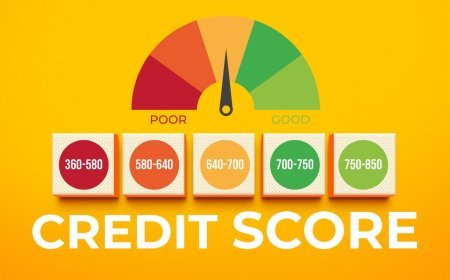
Both products usually involve a hard credit inquiry. Balance transfer cards may temporarily raise utilization on the new card. Paying off old cards can lower utilization on those accounts, which may help scores after reporting. Closing old cards after payoff can hurt available credit and average age of accounts, so think carefully before closing.
Personal loans add an installment account. A healthy mix of credit types can help some profiles, but a new loan also adds a payment obligation. Missing a loan payment damages credit like any other delinquency.
If your score is borderline, improving utilization and payment history for a few months before applying can expand your options. A weak offer can lock in costs that a stronger offer later would have avoided.
Rate shopping within a short window may be treated more gently by scoring models for some loan searches, but card applications can still add up. Apply with intention, not as a scattered experiment.
The spending relapse problem
Consolidation fails most often when the old cards are reused. Whether you choose a loan or a transfer, freeze the lifestyle that created the balances. Consider lowering limits, removing cards from digital wallets, or keeping one card for essential spending paid weekly.
Build a small buffer in savings so ordinary surprises do not return to the cards. Consolidation without a buffer is how balances reappear.
Couples should agree on the relapse rules in advance. A consolidation product cannot replace a shared spending plan.
Fees and traps to read before you apply
On transfer cards, read the transfer fee, the promo length, the post-promo APR, whether new purchases have a grace period during the promo, and how payments are allocated between promotional and regular balances. Some cards apply payments in ways that leave high-APR balances lingering.
On loans, read the APR, whether the rate is fixed, origination fees, prepayment penalties, late fees, and whether the lender funds you directly or pays creditors. Prefer clear payoff of the target cards and confirmation that those balances show zero.
Ignore influencer screenshots of rare offers unless you can verify the same terms in your own application flow. Pricing is personalized.
A practical decision framework
List your total revolving balances, current APRs, and the monthly amount you can truly pay. Estimate transfer fees and loan fees. Model finishing in 12, 18, and 24 months. Choose the option with the lower total cost that you can execute without heroic assumptions.
If both options cost similarly, pick the one that matches your behavior. Prefer fixed payments if revolving credit leads to relapse. Prefer a 0% transfer if you are organized, calendar-driven, and close to a finish line.
If neither option is available at a fair rate, focus on avalanche or snowball payoff with your current cards, cut expenses, and raise income temporarily. An expensive consolidation product is not automatically better than steady payoff on existing accounts.
Revisit your budget the month after consolidation. The payment should be automated. Progress should be visible. If balances start creeping back onto cards, pause rewards chasing and return to cash or debit for everyday spending until stability returns.
Personal loans and balance transfer cards are tools. The cheaper tool is the one whose fees, rate, timeline, and behavioral fit produce the lowest total cost to a real zero balance. Run the math with your numbers, then protect the result with habits that stop new debt from forming.
Worked example thinking without fake precision
Imagine you owe $6,000 across cards at high APRs and you can pay $400 a month. A balance transfer with a 3% fee adds $180, making $6,180 to clear. At 0% for 15 months, a $412 monthly payment finishes before the cliff. If you can only pay $300, you would still owe a large balance when the promo ends, and post-promo interest could wipe out the benefit.
A personal loan at a moderate fixed APR for 24 months might produce a lower monthly payment than the aggressive transfer payoff, but more total interest if you stretch the term. The better product is the one that matches a payment you will actually make while minimizing total dollars out the door.
Replace these illustrations with your real balances, fees, and APRs before you decide. The structure of the comparison matters more than anyone else's sample numbers.
After you choose: the first 30 days
Confirm every old card shows the expected zero or reduced balance. Turn on autopay for the new loan or transfer card. Cut the physical cards you intend not to use, or store them out of daily reach. Schedule a 30-day review to catch any unexpected fee or failed transfer.
Tell anyone who shares your finances what changed. Confusion about which card is active is a fast path back into revolving debt. Keep a one-page summary of the payoff date, payment amount, and rules for new spending.
Red flags that mean neither product is ready yet
If your budget has no surplus for a consolidation payment, a new product only rearranges the problem. If you are about to move, change jobs, or face a known medical bill, wait until cash flow stabilizes unless the current APRs are catastrophic and a clearly cheaper option is available.
If you have already consolidated once and rebuilt balances, pause and fix the spending system before a second consolidation. Repeated consolidations without behavior change are a costly loop.
Frequently Asked Questions
What's Your Reaction?
 Like
0
Like
0
 Dislike
0
Dislike
0
 Love
0
Love
0
 Funny
0
Funny
0
 Wow
0
Wow
0
 Sad
0
Sad
0
 Angry
0
Angry
0

Passionate about breaking down complex finance-related concepts into simple terms to help everyday people.














Comments (0)